
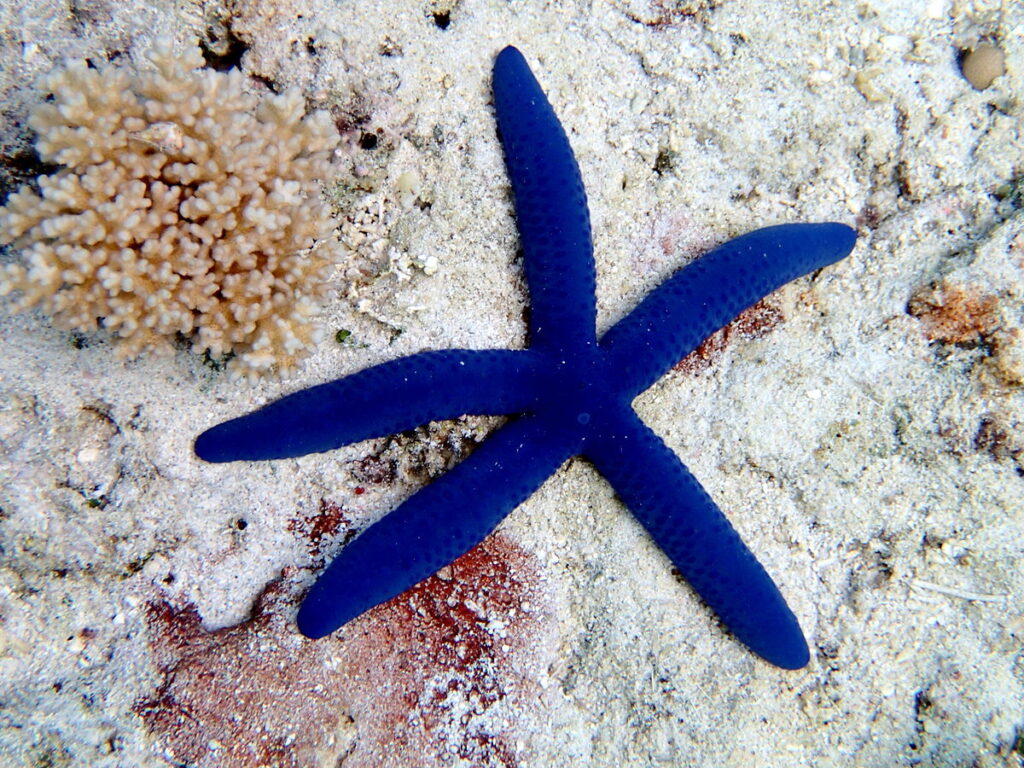
The Blue Starfish: Understanding its Habitat, Care, and Nutrition
As an aquarist, you’re likely familiar with the various species of starfish that can be found in marine environments. However, when it comes to maintaining these fascinating creatures in captivity, there are several key factors to consider. In this article, we’ll delve into the world of the blue starfish (Linckia laevigata), exploring its natural habitat, care requirements, and nutritional needs.
Classification and Habitat
Belonging to the class Asteroidea, the blue starfish is a type of echinoderm that can be found in various marine environments. Its natural habitat includes coral reefs, rocky shores, and estuaries, where it feeds on algae, detritus, and small crustaceans.
Stella Marina Blu: A Guide to its Care
To successfully keep a blue starfish in captivity, it’s essential to understand its specific needs. Here are some key considerations:
- Aquarium Size: Blue starfish require a large aquarium with plenty of space for swimming and feeding. A minimum tank size of 30 gallons is recommended.
- Water Parameters: Maintain stable water parameters, including salinity (1.023-1.025 ppt), temperature (68-72°F), and pH (8.0-8.3).
- Lighting: Provide moderate to high lighting levels, as blue starfish are sensitive to low light conditions.
- Substrate: Use a calcium-rich substrate, such as live rock or crushed coral, to provide a natural environment for your starfish.
Feeding and Nutrition
Blue starfish are carnivorous and opportunistic feeders. They can be fed a variety of foods, including:
- Commercial starfish food
- Frozen brine shrimp
- Live or frozen mysis shrimp
Avoid feeding blue starfish too frequently, as this can lead to digestive issues.
Introduction to the Acquario
When introducing a blue starfish to your aquarium, follow these steps:
- Acclimation: Acclimate the starfish to the aquarium water by slowly adding aquarium water to the container over a period of 30 minutes.
- Housing: Place the starfish in a secure container or bag and submerge it in the aquarium water for 5-10 minutes before releasing it into its new home.
Common Mistakes and Troubleshooting
Here are some common mistakes to avoid when keeping blue starfish:
- Over-handling: Avoid handling blue starfish too frequently, as this can cause stress and lead to disease.
- Inadequate Acclimation: Failing to properly acclimate your starfish to the aquarium water can result in stress, illness, or even death.
- Poor Water Quality: Maintaining poor water quality can lead to a range of health problems for your blue starfish.
By understanding the needs and requirements of the blue starfish, you can create a thriving environment for these fascinating creatures. With proper care and attention, your blue starfish will thrive and provide hours of enjoyment for years to come.
Frequently Asked Questions
Here are some frequently asked questions about keeping blue starfish:
- How long do blue starfish live in captivity?
Blue starfish can live for several years in captivity, but their lifespan depends on various factors, such as water quality, diet, and tank size. - What is the ideal substrate for a blue starfish aquarium?
A calcium-rich substrate, such as live rock or crushed coral, is recommended to provide a natural environment for your starfish. - Can I feed my blue starfish fresh meat?
No, it’s not recommended to feed your blue starfish fresh meat, as this can lead to digestive issues and other health problems. - How often should I feed my blue starfish?
Blue starfish should be fed occasionally, but not too frequently, to avoid digestive issues and ensure optimal nutrition. - Can I keep multiple blue starfish together in the same tank?
It’s generally recommended to keep blue starfish alone or in small groups, as they can be territorial and may fight with each other.
Additional Tips for Blue Starfish Care
Here are some additional tips for keeping blue starfish:
- Monitor Water Quality: Regularly test your aquarium water for pH, ammonia, nitrite, and nitrate levels to ensure optimal conditions for your starfish.
- Provide Hiding Places: Offer your blue starfish plenty of hiding places, such as rocks or plants, to provide them with a sense of security.
- Maintain a Clean Tank: Regularly clean your aquarium tank to prevent the buildup of debris and maintain optimal water quality.
Conclusion
Keeping blue starfish can be a rewarding experience for aquarists. By understanding their specific needs and requirements, you can create a thriving environment for these fascinating creatures. With proper care and attention, your blue starfish will thrive and provide hours of enjoyment for years to come.
By following the guidelines outlined in this article, you’ll be well on your way to becoming a successful blue starfish keeper. Whether you’re a seasoned aquarist or just starting out, we hope this article has provided you with valuable insights into the world of blue starfish care.


