
What is Blue Light?
Blue light, also known as high-energy visible (HEV) light, is a type of electromagnetic radiation with a wavelength of around 400-450 nanometers. It’s emitted by digital devices such as smartphones, tablets, computers, and televisions. While blue light is necessary for our daily lives, excessive exposure to it can have negative effects on our health and well-being.
History of Blue Light
Blue light has been around for decades, but its impact on human health was not fully understood until recently. With the widespread use of digital devices, blue light has become an integral part of our daily lives. However, this also means that we’re exposed to more blue light than ever before.
How Does Blue Light Affect Our Sleep?
Blue light has the ability to suppress the production of melatonin, a hormone that regulates our sleep-wake cycles. This means that prolonged exposure to blue light, especially in the evening, can disrupt our natural sleep patterns. As we spend more time staring at screens before bed, our bodies start to produce less melatonin, making it harder to fall asleep and stay asleep.
The Impact of Blue Light on Our Circadian Rhythms
Blue light also affects our circadian rhythms, which are regulated by exposure to natural light and darkness. When we’re exposed to artificial blue light in the evening, it tricks our brains into thinking it’s still daytime, making it harder for us to fall asleep. This can lead to a range of problems, including insomnia, daytime fatigue, and other sleep-related issues.
The Risks of Blue Light
So, what are the risks of blue light? Here are some of the potential consequences:
- Insomnia and sleep disorders: Prolonged exposure to blue light can lead to difficulty falling asleep, staying asleep, and getting quality sleep.
- Daytime fatigue and lethargy: Blue light exposure can affect our alertness and energy levels during the day, making it harder to concentrate and be productive.
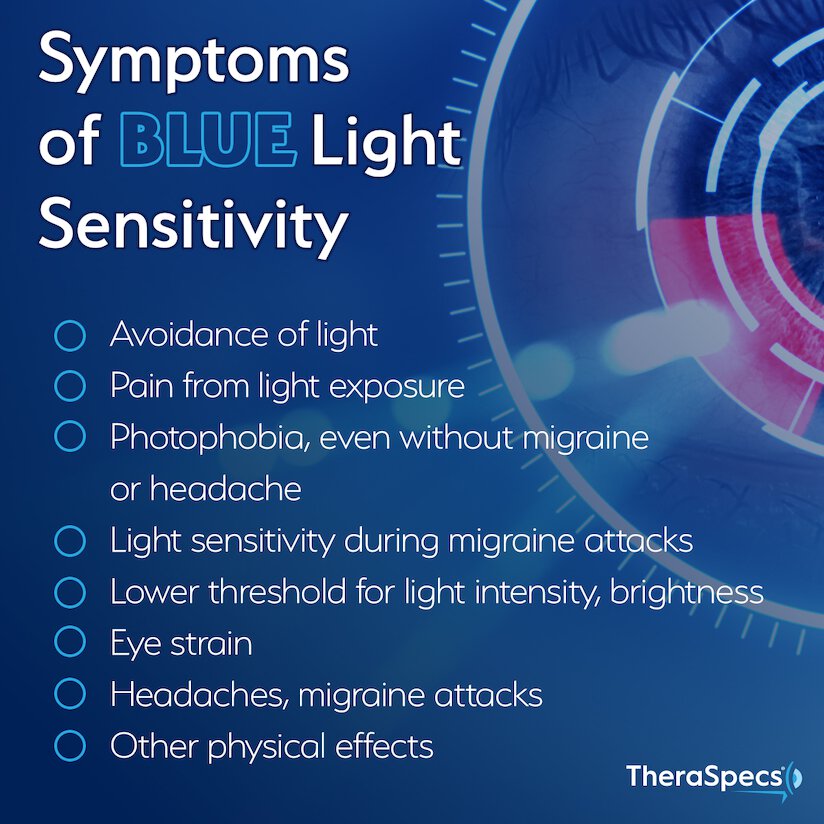
- Headaches and eye strain: Blue light can cause physical discomfort, including headaches and eye strain.
- Disrupted circadian rhythms: Exposure to blue light in the evening can trick our brains into thinking it’s still daytime, leading to a range of problems related to sleep and wakefulness.
- Increased risk of macular degeneration: Some research suggests that prolonged exposure to blue light may increase the risk of developing age-related macular degeneration.
Solutions to Reduce Blue Light Exposure
So, what can we do to reduce our exposure to blue light? Here are some solutions:
Digital Devices
Many digital devices now come with built-in features that filter out blue light. For example, some smartphones have a “Night Mode” that reduces the amount of blue light emitted by the screen.
- Use Night Mode on your smartphone or computer
- Adjust the color temperature of your screen to reduce blue light emission
Software and Apps
There are many software and apps available that can help reduce blue light exposure. Some popular options include:
- f.lux: A free app that adjusts the color temperature of your screen to reduce blue light emission
- Twilight: An Android app that adjusts the color temperature of your screen based on the time of day
Physical Solutions
There are also physical solutions you can use to reduce blue light exposure. Some popular options include:
- Blue light blocking glasses: Special glasses designed to block out blue light from digital devices
- Screen protectors with built-in blue light filtering: Screen protectors that filter out blue light from your screen
Conclusion
Blue light is all around us, and while it’s a necessary part of our daily lives, excessive exposure can have negative effects on our health and well-being. By understanding the risks associated with blue light and taking steps to reduce our exposure, we can protect ourselves against its negative effects.
Frequently Asked Questions (FAQs)
Q: What is the best way to reduce my exposure to blue light?
A: The best way to reduce your exposure to blue light is to use a combination of digital device features, software and apps, and physical solutions such as blue light blocking glasses or screen protectors with built-in filtering.
Q: Can blue light cause eye strain?
A: Yes, prolonged exposure to blue light can cause eye strain. This is because blue light can cause the eyes to work harder to focus, leading to fatigue and discomfort.
Q: Is blue light safe for children?
A: Blue light is generally considered safe for children, but excessive exposure can still have negative effects on their health and well-being. Parents and caregivers should be aware of the risks associated with blue light and take steps to reduce exposure.
Q: Can blue light affect my mental health?
A: Yes, excessive exposure to blue light has been linked to an increased risk of depression and anxiety. This is because blue light can disrupt our natural sleep patterns and affect our mood and emotional well-being.
Q: What are the long-term effects of blue light on our health?
A: The long-term effects of blue light on our health are not yet fully understood, but research suggests that excessive exposure may increase the risk of macular degeneration, cataracts, and other eye problems.
Additional Tips for Reducing Blue Light Exposure
Here are some additional tips for reducing your exposure to blue light:
- Use good lighting in the evening: Instead of relying on screens for light, use table lamps or floor lamps to create a cozy atmosphere.
- Take breaks from screens: Take regular breaks from screens throughout the day to give your eyes and brain a chance to rest.
- Wear blue light blocking glasses indoors: Wear blue light blocking glasses or screen protectors with built-in filtering when working on computers or other digital devices.
- Avoid screens before bed: Avoid screens for at least an hour before bedtime, as this can disrupt your natural sleep patterns and affect the quality of your sleep.
By following these tips and being mindful of our exposure to blue light, we can protect ourselves against its negative effects and maintain good health and well-being.



