
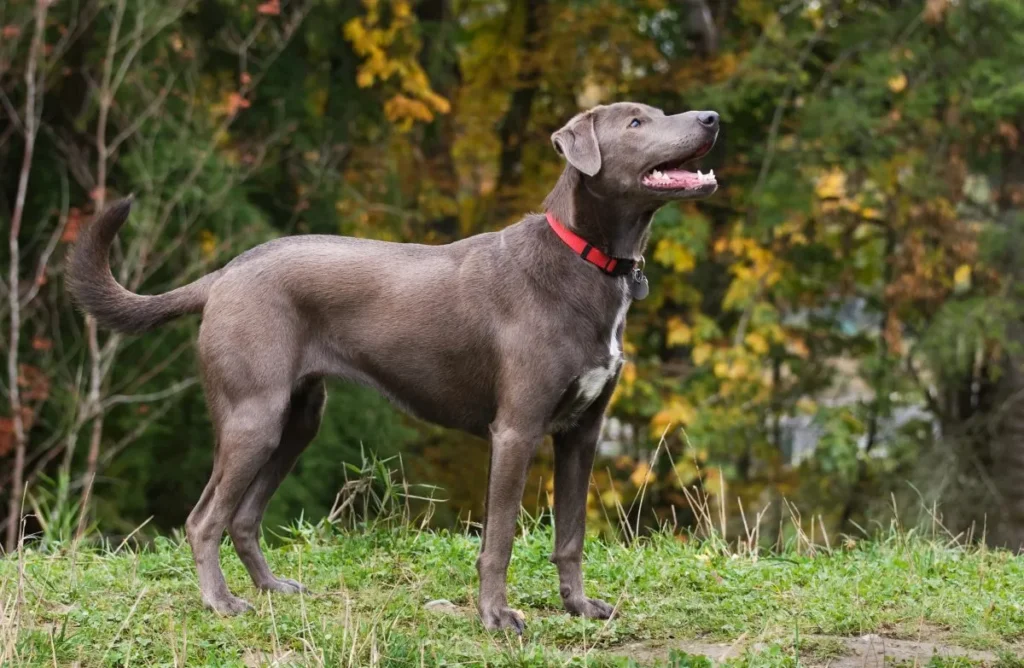
The Blue Lacy is a medium-sized dog breed originating from Texas. In this article, we will delve into its key characteristics, providing information on its grooming needs, diet, and price for potential buyers.
Contents
- Physical Appearance
- Characteristics of the Blue Lacy
2.1. Weight and Height - Nutrition
- Raising Blue Lacy Dogs
- Relationship with Children and Seniors
- Price of a Blue Lacy Dog
Physical Appearance
The Blue Lacy is a medium-sized dog, known for its muscular build. Its short, shiny coat comes in shades of blue, gray, or rust.
Its muzzle is moderately long, featuring an evident jawline and well-developed teeth.
Large, dark eyes characterize the breed, while its tail is of average length and tapers toward the end.
The paws are sturdy, with compact feet.
Characteristics of the Blue Lacy
This dog breed excels in agility, endurance, and hunting ability. It’s also known for being relatively easy to train, making it suitable for activities such as assistance work or pet-sitting.
Blue Lacies tend to be affectionate toward their owners but may become wary of strangers. Due to its robust constitution, the breed is generally long-lived, with an average lifespan of 16 years.
However, they can experience some skin-related issues due to their short, smooth coat, such as irritations and allergies. Early intervention is crucial in addressing these problems before complications arise.
Another common issue affecting Blue Lacies is hip dysplasia, while arthritis becomes more prevalent in older dogs.
Weight and Height
Generally, the weight of a Blue Lacy ranges from 16 to 27 kg, with males typically measuring between 46 and 56 cm in height and females ranging from 46 to 53 cm.
While individual dogs can vary depending on their genetic makeup, these dimensions serve as a standard for this breed.
Nutrition
A well-balanced diet is essential for maintaining the health of Blue Lacy dogs. The amount of food needed depends on age, activity level, and body size.
Consulting with a veterinarian is recommended to determine an appropriate feeding plan. A balanced diet consisting of high-quality dog food (dry or wet) is ideal, avoiding processed foods that could lead to obesity or other health issues.
Canned food may be beneficial for specific cases, but it’s not the primary source of nutrition.
A healthy and balanced diet is crucial in maintaining a Blue Lacy’s overall well-being.
Raising Blue Lacy Dogs
For potential owners seeking to get their hands on an ideal Blue Lacy dog, choosing a reputable breeder is essential. When searching for the perfect canine companion, it’s recommended that you opt for a well-trained puppy from an established breeder.
Researching different breeders thoroughly will ensure a smooth transition into your household.
Relationship with Children and Seniors
The Blue Lacy makes an excellent choice for families with children or elderly individuals who can provide proper supervision.
However, every dog requires training to handle the demands of interacting with other humans. When introducing the new pet to younger family members, adult supervision is essential.
While Blue Lacies do require regular exercise, their physical prowess should not be underestimated in regards to age. As with any canine companion, it’s crucial for seniors to provide sufficient companionship and engage in activities that will allow them to fully express themselves.
Price of a Blue Lacy Dog
The price of a Blue Lacy dog varies greatly depending on factors like the quality of the puppy and the experience of the breeder. Generally, prices range from $500 to $2,000, with an average cost of $1,000.
While purchasing from reputable breeders can be more expensive upfront, it ensures you’re getting a healthy and well-tempered animal.
In addition to purchase costs, consider long-term expenses such as food, vet bills, grooming products, and supplies when making your decision.
Frequently Asked Questions
-
What is the average lifespan of a Blue Lacy?
The average lifespan of a Blue Lacy dog is 16 years. -
Do Blue Lacies get along well with children?
Blue Lacies can make excellent family pets, especially when they’re trained and socialized properly. However, adult supervision is always necessary when introducing new dogs to young children. -
Why do Blue Lacies often experience skin issues?
The short, smooth coat of the Blue Lacy makes them more susceptible to skin problems such as irritations and allergies. -
What health concerns are common among Blue Lacy dogs?
Hip dysplasia and arthritis are prevalent health issues affecting Blue Laces, mainly due to their robust build and aging process. -
Can I train a Blue Lacy dog easily?
While it’s true that the breed is generally easy to train, proper socialization and training from an early age will ensure they remain well-behaved adults. -
Why should I opt for a reputable breeder when purchasing a Blue Lacy puppy?
A trustworthy breeder guarantees healthier puppies with fewer genetic issues and typically provides guidance on caring for your new pet. -
Can older seniors handle the energy needs of a Blue Lacy dog?
While every dog requires regular exercise, it’s crucial to provide suitable companionship and engage in activities that allow them to express themselves fully, regardless of age. -
What should I expect when introducing my Blue Lacy puppy to my home?
When bringing your new pet into the household, a comprehensive training plan can help ensure they integrate smoothly with your family.
Health Concerns
As mentioned earlier, hip dysplasia and arthritis are common health issues affecting Blue Lacies. To minimize the risk of these conditions, it’s essential to:
- Feed a balanced diet
- Provide regular exercise and mental stimulation
- Avoid over-exertion or strenuous activities that could lead to joint strain
- Regularly check for signs of hip dysplasia and arthritis
Grooming Needs
The short, smooth coat of the Blue Lacy requires minimal grooming. However, it’s essential to:
- Brush their coat regularly to remove dirt and debris
- Clean their ears weekly to prevent infections
- Trim their nails every few weeks to maintain proper shape and health
- Bathe them occasionally, depending on their activity level and personal preference
Tips for First-Time Owners
- Research the breed thoroughly before making a decision.
- Consult with a veterinarian to determine an appropriate feeding plan.
- Choose a reputable breeder who can provide guidance on caring for your new pet.
- Invest in high-quality dog food and grooming products.
- Be prepared for regular veterinary check-ups and potential health issues.
Conclusion
The Blue Lacy is a wonderful breed, known for its intelligence, loyalty, and versatility. With proper care and attention, they can thrive as beloved family pets or working dogs. While they may require some extra attention to their grooming needs, the rewards of owning a Blue Lacy far outweigh any additional costs.
By understanding their characteristics, temperament, and price, you’ll be well-equipped to make an informed decision when considering bringing a Blue Lacy into your home.



