
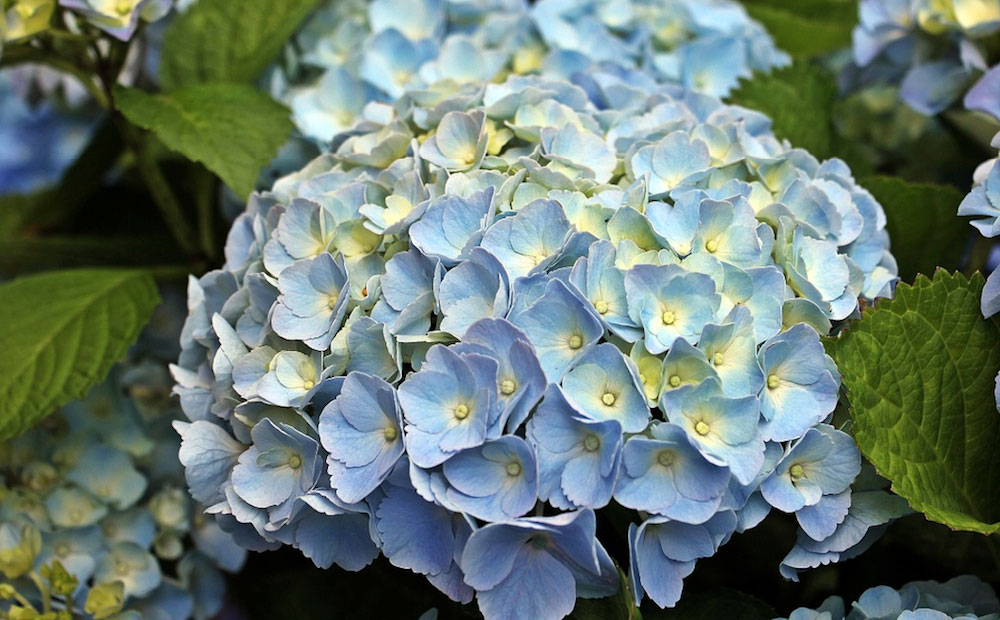
As the temperatures rise, the period of flowering for hydrangeas begins. However, have you ever wondered how to achieve those vibrant blue flowers? The answer lies in understanding the pH levels of your soil.
In this article, we will delve into the world of blue hydrangeas, exploring the process of obtaining the desired coloration and providing valuable tips on how to maintain it.
Understanding Hydrangea Coloration
Hydrangeas are extremely adaptable plants that thrive in a variety of conditions. Their ability to change flower color depending on soil pH is a fascinating phenomenon. As we discussed earlier, if your hydrangea is planted in an acidic soil, the flowers tend to have a blue or violet hue.
On the other hand, if your soil becomes too alkaline, the flowers will shift towards a pinkish tone. This transformation can occur due to various factors such as changes in pH levels caused by irrigation methods or soil composition.
The Importance of pH Levels
pH levels play a crucial role in determining the color of hydrangea flowers. If you are looking to maintain those beautiful blue blooms, it’s essential to ensure that your soil remains acidic. Here’s why:
- A pH level below 6.5 will result in more intense blue flowers
- Above 6.5, the flowers may transition towards a pinkish color
To determine the pH level of your soil, you can use a simple DIY method by mixing it with water and using a pH testing kit.
Stabilizing the pH Level
Maintaining an acidic soil is crucial for achieving those vibrant blue flowers. To do this, follow these simple steps:
- Irrigation: Use rainwater or filtered water to irrigate your hydrangeas, as tap water can contain high levels of calcium that may raise the soil’s pH.
- Soil Amendments: Add acidic substances like sulfur, peat moss, or compost tea to lower the pH level. Be cautious not to overdo it, as excessive acidity can harm your plants.
Tips for Achieving Blue Hydrangeas
To help you get started on your journey to creating those stunning blue hydrangeas, here are some additional tips:
- Regular Pruning: Prune your hydrangea regularly to encourage new growth and prevent the plant from becoming too leggy.
- Mulching: Mulch around the base of your plants to retain moisture and regulate soil temperature.
By following these simple steps and understanding the importance of pH levels, you’ll be well on your way to creating those breathtaking blue hydrangeas that will leave everyone in awe.
Common Mistakes to Avoid
There are several common mistakes to watch out for when trying to achieve vibrant blue flowers:
- Not Testing Soil pH: Failing to test the pH level of your soil can lead to over or under-caffeination, which may not be ideal for your hydrangeas.
- Over-Pruning: Over-pruning can stress the plant and cause it to produce more pink flowers instead of blue ones.
- Insufficient Watering: Inadequate watering can cause the soil pH to rise, resulting in pink or white flowers.
Soil Testing: A Crucial Step
Soil testing is a critical step when trying to optimize the color of your hydrangeas. Here’s why:
- Soil pH affects the availability of essential nutrients for plant growth
- Incorrect pH levels can result in flower color changes, affecting overall aesthetic appeal
To test your soil pH, you can use a variety of methods, including:
- pH Testing Kit: A DIY kit that measures soil pH using a simple formula.
- Send a Sample to a Lab: Collect a soil sample and send it to a laboratory for professional analysis.
Planting Blue Hydrangeas
If you’re looking to grow blue hydrangeas, here are some tips to keep in mind:
- Choose the right variety: Opt for a blue hydrangea cultivar that is known to thrive in acidic conditions.
- Plant in well-draining soil: Ensure the soil drains properly to prevent waterlogged roots and maintain an acidic pH.
- Provide sufficient light: Blue hydrangeas require partial shade, especially when they’re young.
Frequently Asked Questions
Here are some frequently asked questions related to optimizing the color of your blue hydrangeas:
- Can I use lime to lower the pH level?
Yes, but be cautious not to overdo it, as excessive acidity can harm your plants. - How often should I fertilize my hydrangeas?
Fertilize once a year in early spring with an acidic fertilizer specifically formulated for blue hydrangea flowers. - Can I use mulch to improve soil pH?
Mulching around the base of your plants can help retain moisture and regulate soil temperature, but it won’t directly impact the soil’s pH level.
By following these expert tips and tricks, you’ll be able to optimize the color of your hydrangeas and create a stunning display that will impress friends and family alike.



