
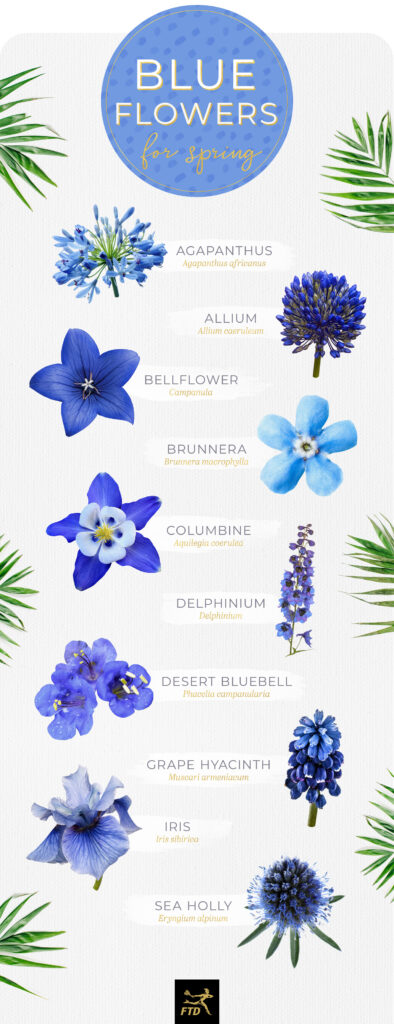
The Enigmatic Charm of Blue Flowers: Unveiling the Mystery
Blue flowers have long been a source of fascination for many, captivating our imagination with their rare and exquisite beauty. These enchanting blooms are often shrouded in mystery, making it challenging to identify them or understand their significance. In this article, we will delve into the world of blue flowers, exploring their various types, meanings, and uses.
Understanding Blue Flowers
Blue flowers are a rarity in nature, with only a few species exhibiting this captivating color. Their unique hue can range from celestial blue to a deep, rich blue, making them stand out amidst the lush greenery of gardens and natural landscapes. Whether used as ornamental plants or incorporated into wedding arrangements, blue flowers possess a calming effect that soothes the senses.
In terms of their botanical classification, blue flowers belong to various plant families, including Anacardiaceae, Fabaceae, and Apocynaceae. Some popular types of blue flowers include:
- Anemone Blanda: Also known as Anemone Azzurra, this bulbous plant boasts elegant appearance and delicate flowers with a perfect calyx shape.
- Pulmonaria: Native to Caucasian and European regions, this perennial plant prefers shady and cool locations, making it an ideal choice for shaded gardens.
- Consolida: Also known as Symphytum Officinalis, this plant has lance-shaped leaves with rich nerve structures and blue flowers resembling bell-shaped campanules.
Grape-like or Umbrella-shaped Blue Flowers
Blue flowers can also take on a grape-like or umbrella-shaped form, adding to their allure. Two notable examples are:
- Tweedia Caerulea: This Apocynaceae plant from South America features clusters of blue/azure flowers that deepen to violet over time.
- Agapanthus: Native to Africa, this flower is derived from “anthos” and “agapé,” meaning “flower of love.” Its leaves are long, narrow, and dense, supporting blue or bluish flowers.
The Significance of Blue Flowers
Blue flowers possess a range of meanings, including:
- Peace and serenity: Blue flowers have long been associated with feelings of calmness and tranquility, making them an excellent choice for those seeking relaxation or stress relief.
- Openness and creativity: The vibrant blue color is often linked to the idea of new beginnings and creative expression, inspiring artists, writers, and musicians alike.
- Relaxation and stress relief: Blue flowers can add a calming element to arrangements, making them an excellent choice for couples seeking a peaceful atmosphere.
In the context of weddings, blue flowers can be used to create stunning and unique centerpieces or bouquets. Some popular wedding flower options include:
- Delphiniums: These tall, stately flowers come in various shades of blue and are often used in arrangements featuring other flowers like roses and baby’s breath.
- Hyacinths: With their delicate, bell-shaped blooms, hyacinths add a touch of elegance to any arrangement or wedding bouquet.
Trees with Blue Flowers
While most of our discussion has centered on flowering plants, there are also trees that produce stunning blue flowers. One notable example is:
- Jacaranda mimosifolia: This evergreen tree from South America boasts funnel-shaped blue flowers with purple undertones and can grow up to 10 meters tall.
Solving Crosswords with Blue Flowers
If you’re struggling to find the correct answer in a crossword puzzle, here are some additional options featuring blue flowers:
- Papaver blu dell’Himalaya: This rare and exotic flower is often associated with the Himalayan region.
- Genziana: Also known as Genisteae, this flowering shrub produces small, delicate blooms in shades of blue.
Conclusion
Blue flowers have long been a source of fascination for many, captivating our imagination with their unique beauty and rarity. By exploring the various types, meanings, and uses of these enchanting blooms, we can gain a deeper understanding of their significance and allure.
In addition to their aesthetic appeal, blue flowers also possess a range of practical uses, including:
- Medicinal applications: Many species of blue flowers have been used in traditional medicine for centuries, with properties ranging from anti-inflammatory to antiseptic.
- Food source: Some types of blue flowers, like the pansy, are edible and can be used as a garnish or ingredient in salads.
FAQs
- What is the meaning of blue flowers?
Blue flowers symbolize peace, serenity, openness, and creativity, making them an excellent choice for those seeking relaxation or stress relief.
- How do I care for Anemone Blanda?
Anemone Blanda prefers temperate climates, shaded areas, and well-draining soil with potassium-rich fertilizers.
- Can I grow Tweedia Caerulea in containers?
Yes, Tweedia Caerulea can thrive in containers with full sun and moderate temperatures.
- What is the significance of Agapanthus in African culture?
Agapanthus is derived from “anthos” and “agapé,” meaning “flower of love.” Its beauty has been appreciated by Africans for centuries, often used in traditional ceremonies and celebrations.
- How do I care for Jacaranda mimosifolia?
Jacaranda mimosifolia prefers well-draining soil, full sun, and moderate temperatures to thrive.
- Can blue flowers be used in wedding arrangements?
Yes, blue flowers can add a calming element to wedding arrangements, making them an excellent choice for couples seeking a peaceful atmosphere.
- How do I identify Pycnostachys Dawei?
Pycnostachys Dawei is characterized by its umbrella-shaped blue flowers and distinctive leaves resembling orache.
- What are some common mistakes when growing blue flowers?
Common mistakes include neglecting soil pH, inadequate sunlight, and overwatering, which can lead to plant decline.
By exploring the fascinating world of blue flowers, we can gain a deeper appreciation for their unique beauty, rarity, and practical uses. Whether used in floral arrangements or incorporated into traditional medicine, these enchanting blooms are sure to captivate our imagination for generations to come.


