
Introduction
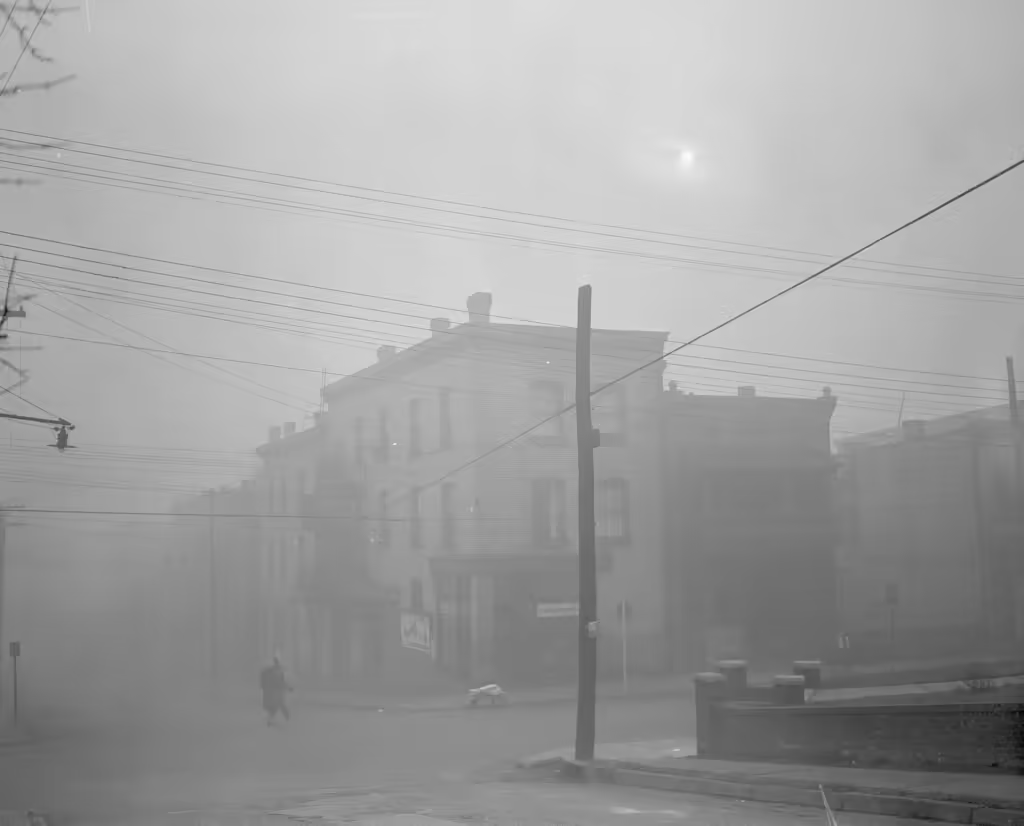
As I stood outside, gazing up at the grey sky, I couldn’t help but wonder if the world had lost its way. The air was thick with a strange, eerie haze that seemed to suffocate everything in its path. It was as if the very fabric of our reality had been torn apart, revealing a sinister underbelly that threatened to consume us all. This is the story of the Blue Alert, a phenomenon that has taken hold of our planet and left us reeling.
The Science Behind the Smog
So, what exactly is this smog that’s darkening our skies? To understand, we need to look at the numbers. In Beijing, China, the air quality index (AQI) has reached catastrophic levels, with particulate matter (PM 2.5) exceeding 700 micrograms per cubic meter – more than seven times the recommended limit set by the European Union. This is no laughing matter, as these tiny particles can penetrate deep into our lungs, causing respiratory problems, allergies, and even cancer.
The smog we’re experiencing today is not just a natural phenomenon; it’s also a result of human activity. Our reliance on fossil fuels has led to a surge in air pollution, with pollutants like nitrogen oxides (NOx) and particulate matter (PM 2.5) being released into the atmosphere at an alarming rate. These pollutants are not only contributing to the degradation of our air quality but also exacerbating health issues like cardiovascular disease and respiratory problems.
The Connection to Air Pollution
But what about us? How does this affect us here in Italy? The answer lies in the fact that our air quality is not immune to the ravages of smog. In Milan, for instance, the situation has been dire for weeks, with the city’s air quality reaching crisis levels. The Italian government has responded by introducing a range of measures, including stricter controls on emissions from vehicles and industries, as well as initiatives to promote cleaner transportation options.
The connection between air pollution and human health is undeniable. Exposure to poor air quality can lead to a range of health problems, including respiratory issues like asthma and chronic obstructive pulmonary disease (COPD). Moreover, long-term exposure to air pollution has been linked to an increased risk of cardiovascular disease, stroke, and even cancer.
A Call to Action
So, what can we do to prevent this catastrophe? For starters, we need to acknowledge the gravity of the situation and take collective action. This means investing in cleaner technologies, such as electric vehicles and green energy, and making conscious choices about our daily habits. It’s time to rethink our relationship with the air around us and recognize that our very survival depends on it.
One potential solution lies in the realm of transportation. By embracing alternative modes of transport, we can reduce our reliance on fossil fuels and lower emissions. This includes not just public transport but also cycling and walking – activities that are not only good for the environment but also boost our physical and mental well-being.
The Future of Transportation
One of the most significant challenges facing us today is the need to transform our transportation systems. Our cars, trucks, and planes are major contributors to air pollution, and it’s time for us to rethink their role in our daily lives. This means investing in cleaner technologies like electric vehicles, which produce zero emissions, and green energy sources like solar and wind power.
Another crucial step is to promote alternative modes of transport. Cycling and walking are not only good for the environment but also improve our physical and mental health. By investing in pedestrian-friendly infrastructure and promoting cycling as a viable transportation option, we can reduce our reliance on cars and lower emissions.
The Role of Policy
Of course, policy plays a crucial role in shaping our future. Governments must step up to address this crisis by introducing measures to reduce emissions and promote sustainable practices. This includes implementing stricter regulations on industries and vehicles, as well as investing in green infrastructure like wind farms and solar panels.
Moreover, governments can also play a key role in promoting education and awareness about the importance of air quality. By educating citizens about the risks associated with poor air quality, we can encourage them to make conscious choices about their daily habits and support policy initiatives aimed at reducing emissions.
Conclusion
As we stand at the precipice of this environmental disaster, it’s time for us to take a hard look at ourselves and our place in the world. The Blue Alert is not just a phenomenon – it’s a wake-up call. It’s a reminder that our choices have consequences and that we must act now to prevent further damage.
Frequently Asked Questions
Q: What is the difference between PM 2.5 and PM 10?
A: PM 2.5 refers to particles smaller than 2.5 micrometers in diameter, while PM 10 refers to particles larger than 10 micrometers in diameter.
Q: How do we measure air quality?
A: Air quality is measured using an air quality index (AQI), which takes into account various pollutants and their concentrations.
Q: What are the health effects of smog?
A: Exposure to high levels of smog can cause respiratory problems, allergies, and even cancer.
Q: How can we reduce our carbon footprint?
A: By making conscious choices about our daily habits, such as using public transport, cycling, or walking, and by investing in cleaner technologies like electric vehicles.
Q: What role does policy play in addressing air pollution?
A: Governments must step up to address this crisis by introducing measures to reduce emissions and promote sustainable practices.
Q: Can we reverse the effects of smog on our planet?
A: It’s possible, but it requires a collective effort and immediate action. By working together and making conscious choices, we can mitigate the damage and create a more sustainable future.
Q: What is the Blue Alert, and how did it start?
A: The Blue Alert refers to the phenomenon of smog darkening our skies. It started as a response to the growing awareness of air pollution and its devastating effects on human health and the environment.
Q: Can we learn from other countries’ experiences with air pollution?
A: Yes, by studying other countries’ responses to air pollution, we can gain valuable insights and develop effective strategies for addressing this issue.
Q: What is the future of transportation in a sustainable world?
A: The future of transportation will be shaped by cleaner technologies like electric vehicles, green energy, and alternative modes of transport.


