
As we navigate the complex world of nutrition, it’s essential to consider our blood group when making dietary choices. The idea that our blood type can influence our diet has gained popularity in recent years, with some claiming that following a specific diet based on our blood group can lead to weight loss and improved overall health.
In this article, we’ll delve into the history of blood groups, explore their genetic basis, and discuss how they relate to nutrition. We’ll also examine the compatibility of different blood types when it comes to transfusions and other medical procedures.
The Discovery of Blood Groups
The existence of different blood groups was first proposed by Karl Landsteiner in the early 20th century. Landsteiner’s work led to the identification of four main blood groups: A, B, AB, and 0. These blood groups are determined by the presence or absence of specific antigens on the surface of red blood cells.
The Science Behind Blood Group Compatibility
When it comes to transfusions, compatibility between donor and recipient is crucial. If the blood types are not compatible, the recipient’s immune system may react against the donated blood, leading to serious complications.
There are three main blood group combinations:
- A Rh Positive (A+): Can receive blood from A+, O+, AB+, or O- individuals.
- B Rh Positive (B+): Can receive blood from B+, O+, AB+, or O- individuals.
- AB Rh Positive (AB+): Can receive blood from A+, B+, AB+, or O- individuals.
- O Rh Negative (O-): Can only receive blood from O- donors.
The Role of Genetics in Blood Group Determination
Blood group determination is influenced by genetics. The genes that control blood type are inherited in a dominant-recessive pattern, meaning that one dominant allele can override the effects of a recessive allele.
There are three main alleles for each blood type:
- A: Dominant allele
- a: Recessive allele
- B: Dominant allele
- b: Recessive allele
When combined, these alleles determine an individual’s blood type. For example, the genotype “AA” or “AO” results in a blood type of A, while the genotype “BB” or “Bo” results in a blood type of B.
Blood Group and Nutrition
The idea that our blood group can influence our diet is based on the concept of specific diets for each blood type. These diets claim to optimize nutrition by avoiding certain foods that may be detrimental to individuals with specific blood types.
For example:
- Type O: Should avoid grains, dairy products, and fermented foods
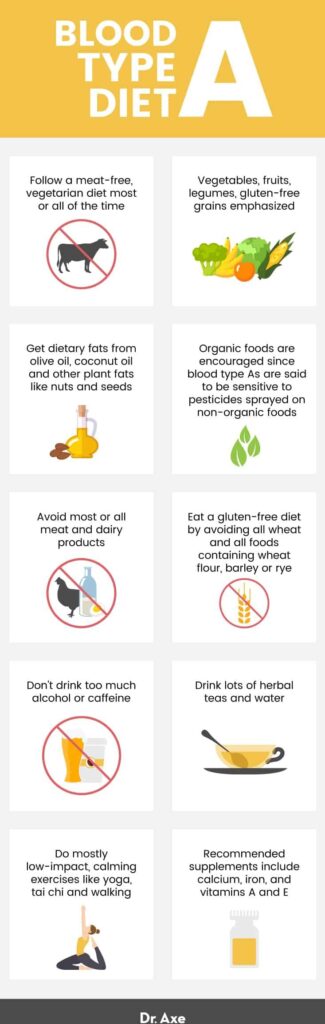
- Type A: Should avoid meat, fish, and poultry
- Type B: Should avoid wheat, corn, and soybeans
- Type AB: Can follow a balanced diet with minimal restrictions
However, there is limited scientific evidence to support the effectiveness of these diets. More research is needed to fully understand the relationship between blood type and nutrition.
Foods That May Be Beneficial for Different Blood Types
While there is no conclusive evidence to support specific diets based on blood type, some foods may be beneficial for individuals with certain blood types. For example:
- Type O: Individuals with Type O blood may benefit from consuming foods high in omega-3 fatty acids, such as salmon and flaxseeds.
- Type A: Individuals with Type A blood may benefit from consuming foods high in antioxidants, such as berries and leafy greens.
- Type B: Individuals with Type B blood may benefit from consuming foods high in fiber, such as whole grains and legumes.
- Type AB: Individuals with Type AB blood may benefit from consuming a balanced diet that includes a variety of foods.
Conclusion
Blood groups play an important role in transfusions and medical procedures. Understanding the compatibility of different blood types is crucial for ensuring safe and effective treatments. While the concept of specific diets based on blood type has gained popularity, more research is needed to confirm its effectiveness.
In conclusion, blood group determination is influenced by genetics and plays a critical role in transfusions and medical procedures. By understanding the basics of blood group compatibility and nutrition, we can make informed decisions about our health and well-being.
Frequently Asked Questions
- What is my blood type?
- You can determine your blood type by visiting a healthcare professional or using a blood test.
- Can I donate blood if I’m not Rh Positive?
- No, you cannot donate blood if you’re not Rh Positive.
- Can I receive blood from a donor with the same blood group as me?
- Yes, but it’s recommended to consult with a healthcare professional before doing so.
- Are there any specific foods that I should avoid based on my blood type?
- While there is limited scientific evidence to support the effectiveness of these diets, some individuals may find that following a specific diet helps alleviate symptoms such as digestive issues or allergies.
- Can I eat all types of meat and fish if I’m Type A?
- No, it’s recommended to avoid meat, fish, and poultry altogether.
By understanding the basics of blood group compatibility and nutrition, you can make informed decisions about your health and well-being.


