
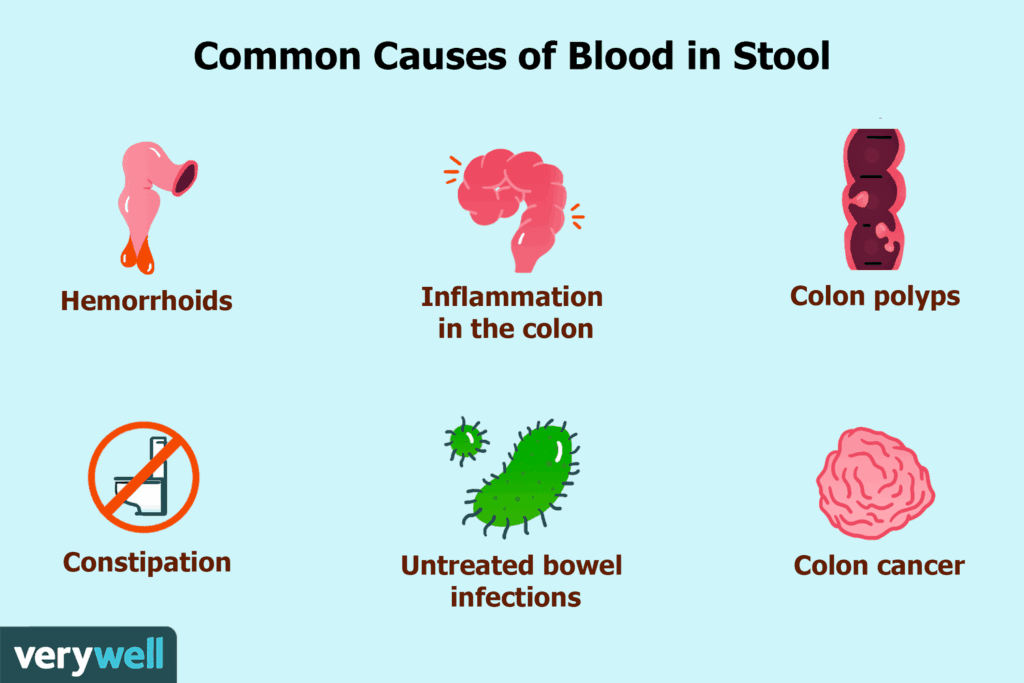
Having blood in your stool can be a concerning symptom, often leading to worries about cancer. However, not all cases require immediate attention. In this article, we’ll explore the possible causes of blood in stool, discuss symptoms and diagnostic tests, and outline treatment options.
Understanding Blood in Stool
Blood in stool can occur due to various reasons, ranging from minor conditions like hemorrhoids to more serious diseases such as colon cancer. It’s essential to investigate further to determine the underlying cause.
Common Causes of Blood in Stool
Some common causes of blood in stool include:
- Hemorrhoids: Swollen veins in the rectum or anus that can cause bleeding during bowel movements.
- Anal fissures: Small tears in the lining of the anus, which can cause pain and bleeding.
- Diverticulitis: Inflammation of the small pouches (diverticula) in the wall of the colon, which can lead to bleeding and infection.
- Inflammatory bowel disease (IBD): Chronic inflammation of the digestive tract, including conditions like Crohn’s disease and ulcerative colitis.
- Colon cancer: Cancers that occur in the colon or rectum, which can cause blood in stool, abdominal pain, and weight loss.
- Ulcerative colitis: A chronic condition that causes inflammation and ulcers in the lining of the colon.
- Gastrointestinal infections (e.g., salmonella, ebola): Infections that can cause bloody stools, diarrhea, and abdominal pain.
Symptoms of Blood in Stool
Blood in stool can manifest differently depending on the underlying cause. Common symptoms include:
- Rectal pain or discomfort: Pain or tenderness in the rectum or anus.
- Changes in bowel movements (e.g., diarrhea, constipation): Altered frequency, consistency, or appearance of stools.
- Abdominal pain: Pain or discomfort in the abdomen, which can radiate to the back or lower back.
- Weight loss: Unintentional weight loss due to a decrease in appetite or an increase in caloric expenditure.
- Fatigue: Feeling weak, tired, or lacking energy.
Diagnostic Tests for Blood in Stool
To determine the cause of blood in stool, your doctor may recommend the following diagnostic tests:
- Colonoscopy: An examination of the colon and rectum using a flexible tube with a camera. This procedure allows for visual inspection of the lining of the colon and can detect polyps or cancerous growths.
- Gastroscopy: A procedure to visualize the upper digestive tract (esophagus, stomach, and duodenum) using a flexible tube with a camera.
- Blood tests: To measure levels of certain proteins or enzymes in the blood that can indicate gastrointestinal disease. For example, elevated levels of carcinoembryonic antigen (CEA) may suggest colon cancer.
- Imaging tests (e.g., CT scans, MRI): To visualize the colon, rectum, or other parts of the digestive system.
Treatment Options for Blood in Stool
The treatment for blood in stool depends on the underlying cause. Your doctor may recommend:
- Lifestyle changes: Dietary modifications, stress management, and regular exercise to alleviate symptoms.
- Topical treatments: Creams or suppositories to treat hemorrhoids or anal fissures.
- Medications: To manage symptoms, prevent complications, or induce bowel movements (e.g., laxatives, stool softeners).
- Surgical interventions: In cases where colon cancer or other serious conditions require surgical removal of the affected tissue.
Prevention is Key: Annual Stool Tests
While it’s impossible to eliminate all risk factors for blood in stool, regular screenings can help detect potential issues early. The American Cancer Society recommends annual stool tests for adults aged 50 and above.
Home Test Kits for Blood in Stool
If you’re concerned about blood in your stool, you can purchase a home test kit from a pharmacy or online retailer like Amazon. These kits typically involve testing a sample of stool for occult blood using an immunochromatographic assay.
Important Notes
- A positive home test result does not necessarily mean you have cancer.
- Regular screenings and follow-up appointments with your doctor are crucial to accurately diagnose and treat any underlying conditions.
By understanding the possible causes, symptoms, and treatment options for blood in stool, you can take proactive steps towards maintaining a healthy digestive system. If you’re experiencing persistent or severe symptoms, consult your doctor for personalized guidance and care.
FAQs
-
What is the most common cause of blood in stool?
Hemorrhoids are often responsible for blood in stool.
* Can blood in stool be caused by a viral infection?Yes, gastrointestinal viruses like salmonella or ebola can lead to bloody stools.
* How long does it take to receive test results after a home test kit?Results usually become available within 1-3 days after sending the sample.
* Can blood in stool be a sign of a more serious underlying condition?Yes, blood in stool can indicate colon cancer or other life-threatening diseases. Regular screenings and follow-up appointments with your doctor are essential to accurately diagnose and treat any underlying conditions.
Managing Blood in Stool
If you have blood in your stool, it’s essential to take proactive steps to manage the condition. Here are some tips:
- Stay hydrated: Drink plenty of water to help prevent constipation and maintain bowel regularity.
- Eat a balanced diet: Focus on whole, nutrient-rich foods like fruits, vegetables, and whole grains to support digestive health.
- Exercise regularly: Regular physical activity can improve bowel function and reduce the risk of certain gastrointestinal disorders.
Complications of Blood in Stool
Untreated blood in stool can lead to serious complications, including:
- Bleeding: Severe bleeding from the colon or rectum can be life-threatening.
- Infection: Bacteria can enter the bloodstream through an open wound or damaged tissue, leading to sepsis.
- Malnutrition: Inadequate nutrient absorption due to gastrointestinal disease can lead to malnutrition and weight loss.
By understanding the possible causes, symptoms, and treatment options for blood in stool, you can take proactive steps towards maintaining a healthy digestive system. If you’re experiencing persistent or severe symptoms, consult your doctor for personalized guidance and care.


