
Understanding Blood Groups: A Comprehensive Guide
What are Blood Groups?
Blood groups are classifications of blood based on the presence or absence of specific antigens on the surface of red blood cells. This concept has been extensively studied since the early 20th century, and today we have a better understanding of how these groups work.
In 1900, a researcher discovered that human red blood cells possess two different antigens (agglutinogens) named A and B. These antigens were assigned the letters A and B to distinguish between the various blood groups. This discovery revolutionized the field of transfusion medicine and paved the way for modern blood banking practices.
The History of Blood Group Research
The study of blood groups dates back to the late 19th century, when scientists began to investigate the properties of red blood cells. In the early 20th century, a researcher named Karl Landsteiner conducted a series of experiments that led to the discovery of ABO blood groups.
Landsteiner’s work was groundbreaking because it showed that there were different types of antigens present on the surface of red blood cells. He also demonstrated that these antigens could cause an immune response in individuals who did not possess them.
In 1928, Landsteiner and Alexander S. Wiener developed a test to determine the presence or absence of these antigens. This test involved mixing the donor’s red blood cells with agglutinin test reagents and observing whether they clumped together (agglutinated).
Blood Group Combinations
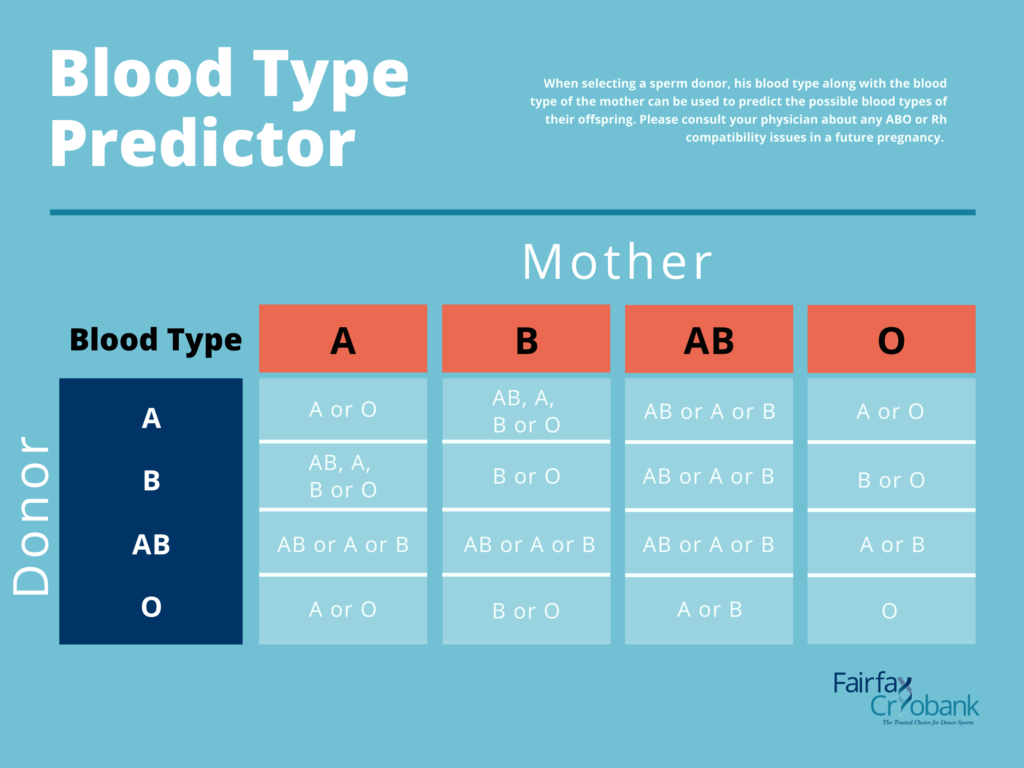
There are four main blood groups: A, B, AB, and 0. To determine a person’s blood group, we examine the presence or absence of these antigens on their red blood cells.
- Group 0: Red blood cells lack both antigen A and antigen B.
- Group A: Red blood cells contain only antigen A.
- Group B: Red blood cells contain only antigen B.
- Group AB: Red blood cells contain both antigens A and B.
Agglutinins: The Antibodies
In addition to the blood group antigens, we also have agglutinin antibodies in our bloodstream. These antibodies recognize specific antigens on red blood cells and can cause them to clump together (agglutinate). There are two types of agglutinin antibodies:
- Anti-A: Recognizes antigen A on red blood cells.
- Anti-B: Recognizes antigen B on red blood cells.
How Blood Group Combinations Affect Transfusion
When a donor’s red blood cells are transfused into a recipient, we need to ensure that the recipient’s immune system doesn’t react to the foreign antigens. If the recipient has anti-A antibodies and receives only group A red blood cells, their immune system will recognize the antigen as foreign and attack it. This can lead to serious complications.
On the other hand, if the recipient has both anti-A and anti-B antibodies (a person with group AB blood), they won’t react to either group A or B red blood cells. However, this doesn’t mean that they’re immune to all antigens.
Diagnostic Techniques for Blood Groups
There are several methods used to determine a person’s blood group:
- Vetrini Test: This involves placing a small amount of blood on a glass slide and adding a few drops of agglutinin test reagents. If the blood cells clump together, it indicates a specific blood group.
- In Vitro Test: This method involves mixing the donor’s red blood cells with agglutinin test reagents in a test tube. If the mixture doesn’t clot or react, it confirms the recipient’s blood group.
Blood Group Parameters
While we’ve discussed the basics of blood groups, there are several other important parameters to consider:
- Hemoglobin (Hb): The amount of hemoglobin in red blood cells affects oxygen delivery to tissues. Normal ranges for adult males and females are 13-20 g/dL and 11-18 g/dL, respectively.
- Red Blood Cell Count (RBC): Anemia can be caused by low RBC counts or high RBC turnover rates.
- White Blood Cell Count (WBC): Low WBC counts can increase the risk of infections. High WBC counts are often associated with inflammation and infection.
Conclusion
Blood groups play a crucial role in transfusion medicine, and understanding their characteristics is essential for safe blood donations and medical procedures. While this article has provided an overview of blood groups, there’s still much to learn about these complex biological systems.
Here are some frequently asked questions that might be helpful:
- Q: What is the most common blood group in humans?
A: Blood type O is the rarest, while Type A is the most common. - Q: Can a person with AB blood receive blood from any other group?
A: No, people with AB blood cannot receive blood from groups A or B due to the presence of anti-A and anti-B antibodies. - Q: How often should I get my blood type tested?
A: It’s recommended that you get your blood type tested every 10-15 years unless you’ve received a blood transfusion or have a family history of blood disorders.
Blood Group Compatibility
In addition to understanding the characteristics of different blood groups, it’s also important to consider blood group compatibility. This refers to the likelihood that two individuals with different blood groups will be able to receive each other’s blood without an adverse reaction.
There are several factors to consider when evaluating blood group compatibility:
- ABO compatibility: This refers to the presence or absence of antigens A and B on red blood cells.
- Rh factor: The Rh factor is a protein found on the surface of red blood cells that determines whether an individual has a positive (Rh+) or negative (Rh-) status. If both individuals have the same Rh factor, their blood is compatible.
Blood Group Testing
In order to ensure safe blood donations and medical procedures, it’s essential to test for blood group compatibility. This can be done using various methods, including:
- Serum typing: This involves testing the recipient’s serum for the presence of agglutinin antibodies.
- Red blood cell typing: This involves examining the red blood cells themselves for the presence or absence of antigens A and B.
Blood Group Disorders
There are several rare genetic disorders that can affect an individual’s blood group. Some common examples include:
- Hemolytic disease of the newborn (HDN): This occurs when a mother with Rh-negative blood carries an Rh-positive fetus, resulting in the production of anti-Rh antibodies.
- Blood group O disorder: This is characterized by the presence of both antigen A and B on red blood cells, making it difficult to determine the individual’s blood group.
Conclusion
Understanding blood groups is essential for safe transfusions and medical procedures. By examining the characteristics of different blood groups, we can better understand how they interact with each other and make informed decisions about compatibility and testing. While this article has provided an overview of blood groups, there’s still much to learn about these complex biological systems.
Here are some key takeaways from this article:
- Blood groups are classified based on the presence or absence of specific antigens on red blood cells.
- There are four main blood groups: A, B, AB, and 0.
- Agglutinin antibodies recognize specific antigens on red blood cells and can cause them to clump together (agglutinate).
- Blood group compatibility refers to the likelihood that two individuals with different blood groups will be able to receive each other’s blood without an adverse reaction.
By understanding these key concepts, we can better appreciate the importance of blood grouping in transfusion medicine and make informed decisions about compatibility and testing.


