
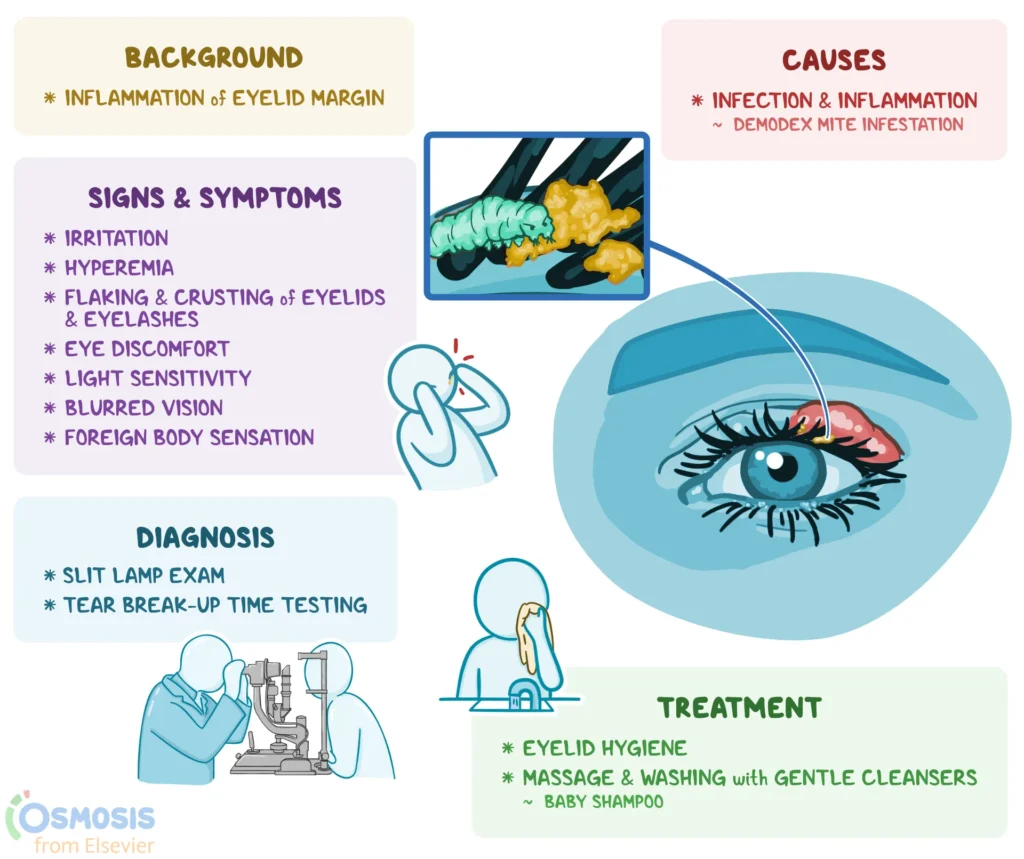
Are you experiencing redness, itching, or burning sensations around your eyes? You may be suffering from blefarite, a common eye condition that affects millions of people worldwide. In this article, we will delve into the causes, symptoms, treatment options, and prevention strategies for blefarite.
What is Blefarite?
Blefarite is an inflammation of the ciliary border of the eyelid, which can cause irritation, redness, and discomfort. It can affect one or both eyes, especially where the eyelashes start to grow. This condition is often characterized by a burning sensation on the surface of the eye, particularly in the inner corner.
Causes of Blefarite
The causes of blefarite are diverse and not yet fully understood. However, some common triggers include:
- Allergic reactions: Exposure to allergens like pollen, dust, or pet dander can lead to an allergic response that causes inflammation around the eyes.
- Unhygienic makeup use: Using dirty brushes, sharing makeup with others, or using expired products can transfer bacteria and other microorganisms to the eye area, causing blefarite.
- Infections from streptococcus bacteria: Certain bacterial infections like streptococcus aureus can cause blefarite. These bacteria are commonly found in the nasal passages and respiratory system but can also infect the eyes if not treated promptly.
- Nickel presence in cosmetics: Some makeup products contain nickel, a metal that can cause skin irritation and allergic reactions around the eyes.
- Presence of parasites such as mites or lice on eyelashes: Demodex mites are tiny parasites that live in the hair follicles of the eyelashes and can cause inflammation and irritation if not treated properly.
- Seborrheic dermatitis (a condition that causes flaky skin and dandruff): This skin condition is characterized by a buildup of dead skin cells on the surface of the scalp, face, and ears. Blefarite may also occur in people with seborrheic dermatitis.
Symptoms of Blefarite
The symptoms of blefarite can vary from mild to severe. Common symptoms include:
- Redness around the eyes: This is one of the most noticeable signs of blefarite, and it can range from a slight pinkish tint to deep red or purple color.
- Itching, burning, or stinging sensations: Blefarite can cause intense itching, burning, or stinging sensations on the surface of the eye, which may be accompanied by tearing or watery discharge.
- Dryness and sensitivity to light: The affected area may become dry and sensitive to light, making it uncomfortable to look at bright lights or read for extended periods.
- Excessive tearing or redness in the affected eye: Blefarite can cause excessive tearing, particularly if you have a history of allergies or eye problems.
- Swelling, puffiness, or redness of the eyelids: The eyelid skin may become inflamed and swollen, causing discomfort and difficulty opening the eyelid.
- Loss of eyelashes (trichiasis): In some cases, blefarite can cause trichiasis, where the eyelashes grow inward toward the eye, leading to eye irritation or even corneal ulcers.
Treatment Options for Blefarite
If left untreated, blefarite can become chronic. It is essential to seek medical attention from an ophthalmologist if you experience any symptoms. Treatment options include:
- Antibiotics for bacterial infections: In cases of streptococcus bacteria infection, antibiotics may be prescribed to treat the underlying condition.
- Anti-inflammatory medications to reduce swelling and redness: Over-the-counter or prescription anti-inflammatory creams, ointments, or oral medications can help alleviate inflammation and discomfort around the eyes.
- Topical corticosteroids or other anti-inflammatory creams: These medications are applied directly to the affected area to reduce inflammation and itching.
- Laser treatment or phototherapy: In severe cases of blefarite, laser treatment or phototherapy may be used to remove abnormal eyelashes that can cause eye irritation.
Prevention Strategies
To prevent blefarite, follow these simple tips:
- Practice good hygiene when applying makeup: Clean your brushes regularly and wash them with soap and water. Avoid sharing makeup with others.
- Wash your hands frequently: Keeping your hands clean is essential to preventing the spread of bacteria that can cause blefarite.
- Reduce sugar intake: Consuming high amounts of sugar may lead to inflammation, which can contribute to blefarite development.
- Opt for omega-3 rich foods and healthy fats: Omega-3 fatty acids found in fish oil, flaxseed oil, and other sources have anti-inflammatory properties that may help reduce inflammation around the eyes.
- Limit caffeine consumption: Caffeine can cause eye irritation, so it’s essential to limit your intake or avoid it altogether if you experience blefarite symptoms.
- Avoid using contact lenses or mascara when eyelids are inflamed: Putting contact lenses in an already irritated eye can exacerbate the condition. Similarly, wearing mascara that is not removed properly can contribute to bacterial growth around the eyes.
Frequently Asked Questions
Here are some answers to common questions about blefarite:
- Q: Can blefarite be contagious?
A: Blefarite can be spread through contact with an infected person or contaminated objects, but it’s not typically considered a highly contagious condition. - Q: Is blefarite curable?
A: With proper treatment and care, most cases of blefarite can be cured. However, some individuals may experience recurring episodes. - Q: Can I treat blefarite at home?
A: While there are some self-care measures you can take to manage symptoms, it’s essential to consult an ophthalmologist for proper diagnosis and treatment. In some cases, over-the-counter creams or ointments may provide temporary relief, but they should not replace professional medical attention. - Q: Is blefarite a sign of an underlying condition?
A: In some cases, blefarite may be associated with other health conditions, such as seborrheic dermatitis or allergies. If you experience persistent symptoms, consult your doctor to rule out any underlying conditions. - Q: Can I use over-the-counter medications for blefarite?
A: While some OTC creams and ointments may provide temporary relief, it’s crucial to consult an ophthalmologist before using any treatment, as improper diagnosis can lead to complications. - Q: Is there a natural remedy for blefarite?
A: Some natural remedies, such as omega-3 rich foods, herbal teas, or supplements, may help alleviate symptoms of blefarite. However, consult your doctor before adding new supplements to your regimen.
By understanding the causes, symptoms, treatment options, and prevention strategies for blefarite, you can take proactive steps to protect your eye health and alleviate discomfort. Remember to always consult an ophthalmologist if you experience persistent or severe symptoms.


