
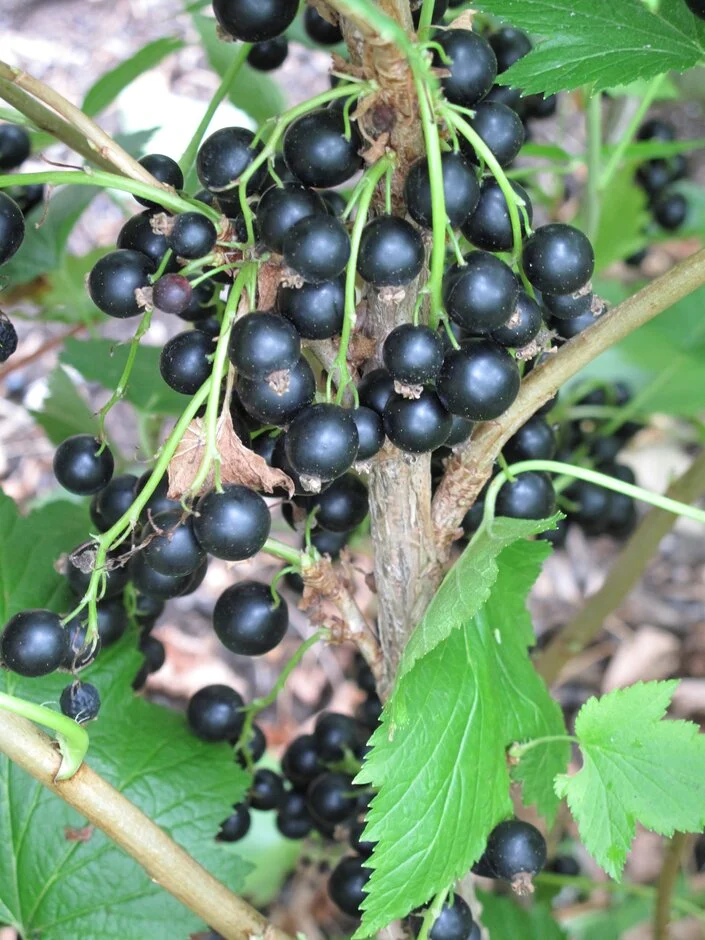
Black currant is a shrub-like plant that thrives in various soil types but grows best in well-draining, fertile ground with a slightly acidic pH. It’s essential to note that the plant cannot tolerate too much argilliness and will not produce fruit under such conditions.
Key Considerations for Growing Black Currant
Before planting black currant, consider the following factors:
- Soil preparation: Ensure your soil is well-draining and has a pH between 6.0 and 7.0.
- Sunlight exposure: Provide partial shade to full sun, depending on your location and climate.
- Temperature tolerance: Black currant can handle temperatures as low as -15°C but may not produce fruit in extreme cold.
Planting Black Currant
To start growing black currant, you’ll need:
- A suitable container or garden bed with good drainage
- High-quality potting mix
- A healthy black currant plant (available at local nurseries or online)
Tips for Planting
- Choose a location with partial shade to full sun, depending on your climate.
- Water thoroughly after planting and keep the soil consistently moist during the first year.
- Fertilize regularly, using a balanced fertilizer that promotes healthy growth.
Pruning Black Currant
Regular pruning is crucial for maintaining black currant’s shape, promoting fruiting, and preventing disease. Here are some tips to keep in mind:
- Prune in late winter or early spring: Remove dead, diseased, or damaged branches to prevent the spread of disease.
- Cut back long canes: Prune long canes to encourage branching and promote fruiting.
Harvesting Black Currant
Black currant is ready to harvest about 2-3 weeks after blooming. Here’s what you need to know:
- Harvest regularly: Pick black currants as they ripen to ensure optimal flavor and texture.
- Use the right tools: Use scissors or a sharp knife to avoid crushing the fruit.
Propagating Black Currant
If you can’t find a healthy black currant plant at your local nursery, consider propagating one from a stem cutting. Here’s how:
- Take 6-8 inch cuttings: Cut the stem just above a node (where a leaf meets the stem).
- Remove lower leaves: Trim away any leaves that will be below the soil line.
- Plant in a pot: Fill a container with well-draining potting mix and plant the cutting about 2 inches deep.
Growing Black Currant in Containers
Black currant can thrive in containers, provided you give it enough space to grow. Here are some tips for growing black currant in pots:
- Use a large container: Choose a container that’s at least 20 cm (8 inches) in diameter.
- Fill with well-draining mix: Use a high-quality potting mix that drains excess water quickly.
Pest and Disease Management
Regularly inspect your plants for signs of pests like aphids, whiteflies, and spider mites. Use organic pest control methods whenever possible to avoid harming beneficial insects.
Common Pests and Diseases
- Aphids: Use neem oil or insecticidal soap to control aphid infestations.
- Whiteflies: Use yellow sticky traps or neem oil to control whitefly populations.
- Spider mites: Use horticultural oil or neem oil to control spider mite infestations.
Fertilization and Mulching
Fertilize regularly, using a balanced fertilizer that promotes healthy growth. Mulch around the base of your plants to retain moisture and suppress weeds.
Tips for Fertilizing
- Use a balanced fertilizer: Choose a fertilizer with equal N-P-K ratios (e.g., 10-10-10) to promote overall plant health.
- Follow instructions carefully: Follow the manufacturer’s instructions for application rates and timing.
Conclusion
Growing black currant can be a rewarding experience, especially when you follow the right tips and tricks. By understanding the basics of black currant, planting it correctly, pruning it regularly, harvesting it at the right time, propagating it successfully, growing it in containers, managing pests and diseases, fertilizing regularly, and mulching around your plants, you’ll be enjoying delicious black currants in no time.
Frequently Asked Questions
Q: Can I grow black currant in my region?
A: Black currant can thrive in regions with moderate temperatures and adequate moisture. Check your local climate to ensure that black currant is suitable for your area.
Q: What are the benefits of eating black currants?
A: Black currants are rich in antioxidants, vitamins, and minerals, making them a nutritious addition to your diet.
Q: Can I grow black currant indoors?
A: Yes, you can grow black currant indoors using a container or pot. However, it may require more light and care than outdoor growing.
Q: How do I protect my black currant plants from pests?
A: Regularly inspect your plants for signs of pests like aphids, whiteflies, and spider mites. Use organic pest control methods whenever possible to avoid harming beneficial insects.
Q: Can I grow black currant in a greenhouse?
A: Yes, you can grow black currant in a greenhouse using a warm and humid environment. Just ensure that the plants receive adequate light and care.
Q: Are there any specific varieties of black currant that are recommended for beginners?
A: Look for disease-resistant and high-yielding varieties like ‘Red Lake’, ‘Ben Hope’, or ‘Black Prince’. These varieties are suitable for most climates and growing conditions.


