
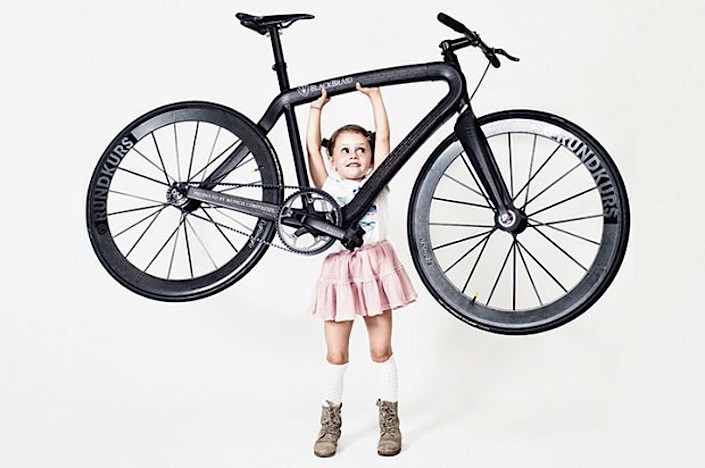
As we look to the future of transportation, one thing is clear: the way we travel will never be the same. With the rise of sustainable energy sources and a growing awareness of environmental issues, the need for eco-friendly modes of transport has never been more pressing. In this article, we’ll explore the cutting-edge technology that’s revolutionizing the world of cycling: BlackBraid, the ultralight carbon fiber bike.
The Rise of Carbon Fiber
Carbon fiber is no stranger to the world of high-performance materials. But with advancements in production and manufacturing, it’s now becoming increasingly accessible for use in various industries. While still relatively expensive, carbon fiber is poised to become the standard material for building bikes, much like aluminum replaced traditional steel.
A Brief History of Carbon Fiber
Carbon fiber has its roots in the aerospace industry, where it was first used in the 1960s as a lightweight reinforcement material. However, it wasn’t until the 1980s that carbon fiber began to gain popularity in sports equipment, particularly in high-performance sailing and skiing.
Advancements in Manufacturing
Over the years, advancements in manufacturing processes have made carbon fiber more affordable and accessible for use in various industries. New technologies like pre-preg production, compression molding, and hand layup techniques have enabled mass production of high-quality carbon fibers at a lower cost.
The Benefits of Carbon Fiber
So why is carbon fiber becoming increasingly popular in the world of cycling? The answer lies in its exceptional properties:
- Lightweight: Carbon fiber is significantly lighter than traditional materials like steel or aluminum, making it ideal for riders seeking improved performance and efficiency.
- High Strength-to-Weight Ratio: Carbon fiber has an impressive strength-to-weight ratio, meaning it can withstand significant loads while minimizing weight.
- Corrosion Resistance: Carbon fiber is resistant to corrosion and degradation, ensuring its longevity and performance over time.
- Aerodynamics: The smooth surface of carbon fiber reduces air resistance, enhancing aerodynamics and improving ride efficiency.
A New Era in Bike Design
BlackBraid, designed by PG-BIKES and constructed by Composites of Monaco, Germany, is a prime example of this shift towards lighter, stronger materials. Made from “super-avvolta” carbon fiber, the BlackBraid bike features a resin-rich structure that’s not only incredibly strong but also boasts remarkable weight reduction.
Weighing in at 4.4kg
The BlackBraid Bike is an astonishingly lightweight machine, weighing in at just 4.4 kilograms (9.7 pounds). This is equivalent to the weight of a small child, making it an ideal choice for commuters and enthusiasts alike. The bike’s minimalist design ensures maximum aerodynamics, while its high level of personalization means riders can tailor their bike to suit their individual style.
A Revolution in Gearing
One of the most significant innovations of BlackBraid is its replacement of traditional metal chains with a modern, efficient cinghia dentata. This not only reduces weight but also eliminates the need for maintenance and lubrication. The cinghia, weighing in at just 80 grams, is a game-changer for riders seeking a quieter, smoother ride.
A Step towards Sustainability
So why hasn’t this revolutionary technology been adopted by mainstream manufacturers yet? Despite the numerous benefits of carbon fiber, high production costs have limited its widespread adoption. However, as manufacturing processes continue to improve, we can expect to see more affordable options emerge in the market.
The Cost: a Small Price to Pay for Progress
While the initial price tag of $15,000 may seem daunting, it’s essential to consider the long-term benefits of investing in sustainable materials and the potential for increased performance and efficiency. As with the adoption of new technologies like CDs, computers, and smartphones, costs will eventually decrease as demand increases.
Conclusion: The Future is Now
The future of cycling is here, and it’s brighter than ever. With innovations like BlackBraid leading the charge, we can expect to see a shift towards more sustainable, high-performance materials in the world of bikes. As technology continues to advance, we’ll be treated to lighter, stronger, and more efficient machines that are perfect for both enthusiasts and everyday riders.
Frequently Asked Questions
- What is carbon fiber made from?
Carbon fiber is created by combining organic materials like glass or plastic with a polymer resin, which hardens into a strong, lightweight material. - How does the cinghia dentata work?
The cinghia dentata is a modern, efficient gear system that replaces traditional metal chains. It’s designed for smooth operation and eliminates the need for maintenance and lubrication. - What sets BlackBraid apart from other bikes?
BlackBraid features a unique combination of high-strength carbon fiber, advanced resin technology, and innovative design elements like the cinghia dentata. - Is BlackBraid bike suitable for commuting?
Absolutely! The lightweight design and efficient gearing make BlackBraid an excellent choice for daily commutes or longer rides. - How does the weight of a carbon fiber bike compare to traditional materials?
Carbon fiber bikes are significantly lighter than those made from traditional materials like steel or aluminum, making them ideal for riders seeking improved performance and efficiency. - What’s the future of bike technology looking like?
With advancements in materials science and design, we can expect to see even more innovative technologies emerging in the world of cycling. - Can I customize my BlackBraid bike?
Yes! The bike’s minimalist design ensures maximum personalization options, allowing riders to tailor their machine to suit their individual style. - Is the $15,000 price tag justified by the benefits of a carbon fiber bike?
While the initial cost may seem high, consider the long-term benefits of investing in sustainable materials and the potential for increased performance and efficiency.


