
Introduction
Black pepper, a staple spice in many cuisines around the world, has been used for centuries not only to add flavor to food but also for its medicinal properties. From aiding digestion to reducing inflammation, black pepper is a wonder spice that deserves attention from health enthusiasts and home cooks alike.
What is Black Pepper?
Black pepper, scientifically known as Piper nigrum, is a flowering vine native to India and Southeast Asia. It contains a unique compound called piperine, which gives it its distinct flavor and aroma. Piperine has been shown to have anti-inflammatory properties, making black pepper an effective natural remedy for various health issues.
History of Black Pepper
Black pepper has a rich history dating back over 4,000 years. The ancient Indians used black pepper as a form of currency, and the Roman Empire prized it for its flavor and medicinal properties. In Europe during the Middle Ages, black pepper was a rare and expensive spice, making it accessible only to the wealthy.
Benefits of Black Pepper
Black pepper’s benefits are numerous:
- Digestive Aid: Black pepper stimulates digestive enzymes, aiding in the breakdown of food and improving nutrient absorption.
- Antioxidant Properties: Piperine has antioxidant properties that help protect against cell damage and oxidative stress.
- Anti-Inflammatory Effects: Black pepper’s anti-inflammatory properties can help reduce inflammation and alleviate symptoms associated with conditions like arthritis.
Using Black Pepper in Cooking
Black pepper is a versatile spice used to enhance flavors, improve digestion, and boost nutritional intake:
- Add black pepper to meals for an extra kick of flavor
- Use black pepper as a seasoning for stir-fries, curries, and soups
- Mix black pepper with other spices like cumin, coriander, and turmeric for added depth
Health Benefits of Black Pepper
Black pepper’s health benefits are numerous:
- Reduces Inflammation: Black pepper contains anti-inflammatory compounds that can help reduce inflammation in the body.
- Aids Digestion: The piperine in black pepper stimulates digestive enzymes, aiding in the breakdown of food and improving nutrient absorption.
- Boosts Immune System: Black pepper contains antioxidants that can help protect against cell damage and oxidative stress, which can weaken the immune system.
Precautions and Contraindications
While black pepper is generally safe to consume in moderation, there are some precautions to be aware of:
- Gastrointestinal Issues: Black pepper can irritate the stomach lining, exacerbating conditions like gastritis or ulcers.
- Interactions with Medications: Piperine may interact with certain medications, such as blood thinners and cholesterol-lowering drugs.
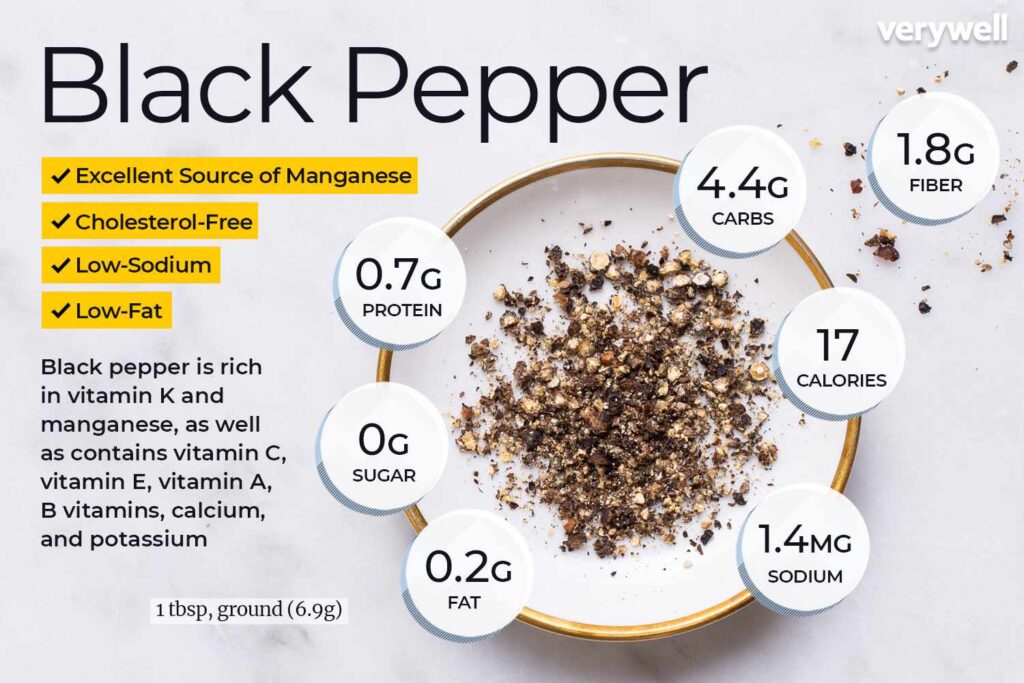
Nutritional Value
Black pepper is a nutrient-rich food:
- Protein Content: Black pepper contains about 10% protein
- Fiber Content: It has a moderate amount of dietary fiber
Other Types of Pepper
While black pepper is the most commonly used variety, there are other types of pepper available, including:
- White pepper
- Green pepper
- Brown pepper
- Red pepper
Each type of pepper has its unique flavor and nutritional profile, so experiment with different varieties to find your favorite.
Culinary Uses
Black pepper is a versatile spice used in a variety of dishes:
- Meat Dishes: Black pepper is commonly used to season meats like steak, chicken, and fish.
- Vegetable Dishes: Black pepper adds flavor to vegetable dishes like stir-fries, curries, and soups.
- Beverages: Black pepper can be added to beverages like coffee, tea, and smoothies for an extra kick of flavor.
Conclusion
Black pepper is a multifaceted spice that offers numerous health benefits and culinary uses. From aiding digestion to reducing inflammation, black pepper is an excellent addition to any healthy diet or cooking routine. Be sure to use it in moderation and consult with a healthcare professional if you have any concerns about its safety.


