
Introduction
In the heart of many cities, a beautiful and versatile plant can be seen adorning vials and gardens. The Robinia pseudoacacia, also known as the White Acacia or Pseudo-Acacia, is a member of the Fabaceae family and originates from North America, specifically the Appalachian region. This plant has been brought to Europe by Jean Robin, a pharmacist and botanist, in 1601. In honor of his gardener and herbalist, Enrico IV and Luigi XII bestowed the name “Robinia” on this remarkable species.
The Appearance of Robinia pseudoacacia
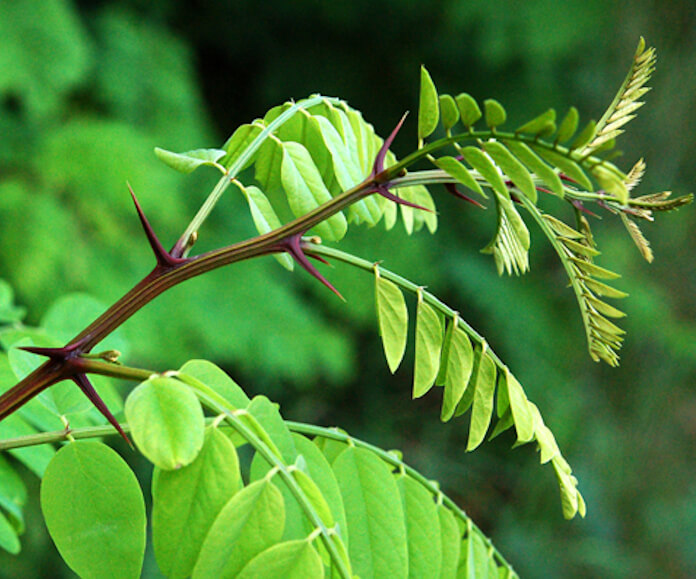
This tree or shrub can have an open, bushy shape or a more formal structure, depending on its height. The bark is light brown and rough to the touch, while the leaves are oval-shaped, 11-21 in number, and approximately 6 cm long. These characteristics make it easily identifiable.
Distribution and Habitat
Robinia pseudoacacia is widely distributed across Europe, including France, Germany, the Netherlands, Belgium, Luxembourg, Switzerland, Austria, Hungary, Slovenia, and Italy. It was introduced to Italy in 1662 at the Orto botanico di Padova and has since become a common sight in Lombardy, Veneto, Tuscany, and Piedmont.
The Beauty of its Flowers
The flowers of Robinia pseudoacacia are white or creamy white and highly prized for their beauty. They form clusters that appear to be heavy with the weight of their own loveliness. The scent is extremely pleasant, making them a favorite among botanists and enthusiasts alike.
Fruits and Spines
After blooming, the flowers give way to fruit, which are pod-like structures turning brown and up to 10 cm long. These fruits are less impressive than their floral counterparts. However, they do contain seeds that can be used for cultivation.
In addition to its attractive flowers, Robinia pseudoacacia produces sturdy, long-spined branches on younger stems. These thorns can be easily spotted on the plant’s stems.
Properties and Uses
Robinia pseudoacacia is highly valued in modern times for its numerous benefits. Despite having a relatively short lifespan (60-70 years), it has an impressive growth rate and high adaptability. This makes it a popular choice as an ornamental plant in urban areas.
The plant’s ornamental value, along with its fragrant flowers, makes it a sought-after variety among gardeners. Its wood is also highly prized for various uses.
Nutritional Value
In terms of nutritional content, Robinia pseudoacacia contains vitamins (A, B1, B2, B3), minerals such as calcium, phosphorus, iron, magnesium, sodium, potassium, zinc, and essential oils. It’s also rich in dietary fibers, carbohydrates, proteins, and glucosides.
The plant has been used to treat various health issues, including digestive problems like gastritis or esophagitis, thanks to its emollient properties. In herbal medicine, the plant is often consumed as a tincture or made into teas to soothe and relax.
Omeopatia
In traditional omeopathy, Robinia pseudoacacia has been used for various health issues. The bark contains an alcaloid considered toxic, so it should be handled with caution. However, the leaves have also been used as a laxative and tonic, along with the bark to stimulate vomiting and support liver function.
Miele della Robinia
The nectar from the flowers of this plant is rich in Levulosio, which makes it suitable for consumption by people with mild diabetes. Additionally, marmalades made from these flowers have been found to possess laxative properties.
Cucina e Legno
Robinia pseudoacacia can be used as a natural ingredient in various recipes, such as frittatas, cakes, and other sweet treats. The seeds can also be used for making liqueurs or marmalades.
The wood from this tree is highly valued for furniture-making, construction, and other purposes due to its durability and beauty.
Gardening and Cultivation
Robinia pseudoacacia is a relatively easy plant to grow and maintain. It thrives in well-drained soil with full sun exposure. Watering should be moderate, as excessive moisture can lead to root rot. Pruning is also recommended to maintain its shape and promote healthy growth.
Pest and Disease Resistance
Robinia pseudoacacia is generally resistant to pests and diseases, but it may require treatment for certain issues. Aphids, spider mites, and scales are common pests that can infest the plant. To prevent infestation, use organic pest control methods whenever possible.
Diseases such as root rot, leaf spot, and canker can also affect the plant. These should be treated promptly to prevent further damage.
Conclusion
In conclusion, Robinia pseudoacacia is an extraordinary plant with numerous benefits and uses. Its beautiful flowers, nutritious properties, and versatility make it a valuable addition to any garden or kitchen. Whether you’re interested in ornamental value, medicinal use, or culinary applications, this remarkable plant has something to offer.
Frequently Asked Questions
1. What is the lifespan of Robinia pseudoacacia?
The average lifespan of Robinia pseudoacacia is 60-70 years.
2. Is Robinia pseudoacacia safe for consumption?
While generally considered safe, it’s recommended to consume Robinia pseudoacacia in moderation due to its potential toxic compounds.
3. Can I grow Robinia pseudoacacia at home?
Yes, with a sufficient amount of seeds and proper care, you can successfully cultivate Robinia pseudoacacia in your garden or backyard.
4. What is the recommended dosage for medicinal purposes?
As always, consult a healthcare professional before using any herbal remedy, including Robinia pseudoacacia.
5. Can I use Robinia pseudoacacia wood for furniture-making?
Yes, but ensure you follow proper safety precautions and handling procedures to avoid injury or allergic reactions.
6. Are there any potential side effects of consuming marmalade made from Robinia pseudoacaciac flowers?
While generally considered safe, some individuals may experience mild gastrointestinal issues due to the high sugar content in these marmalades.
7. Can I use Robinia pseudoacacia seeds for culinary purposes?
Yes, the seeds can be used to make frittatas, cakes, and other sweet treats.
8. Is Robinia pseudoacacia a suitable choice for people with diabetes?
Due to its high sugar content, it’s recommended to consume marmalades made from Robinia pseudoacacia flowers in moderation or under the guidance of a healthcare professional.


