
Introduction
The black-footed cat is not the same as the famous feline with a pair of shoes. In reality, this cat has a reputation for being quite aggressive and solitary, earning it the nickname “tiger of mice”. This article will delve into the characteristics and care requirements of the black-footed cat, a fascinating yet challenging species to interact with.
Characteristics
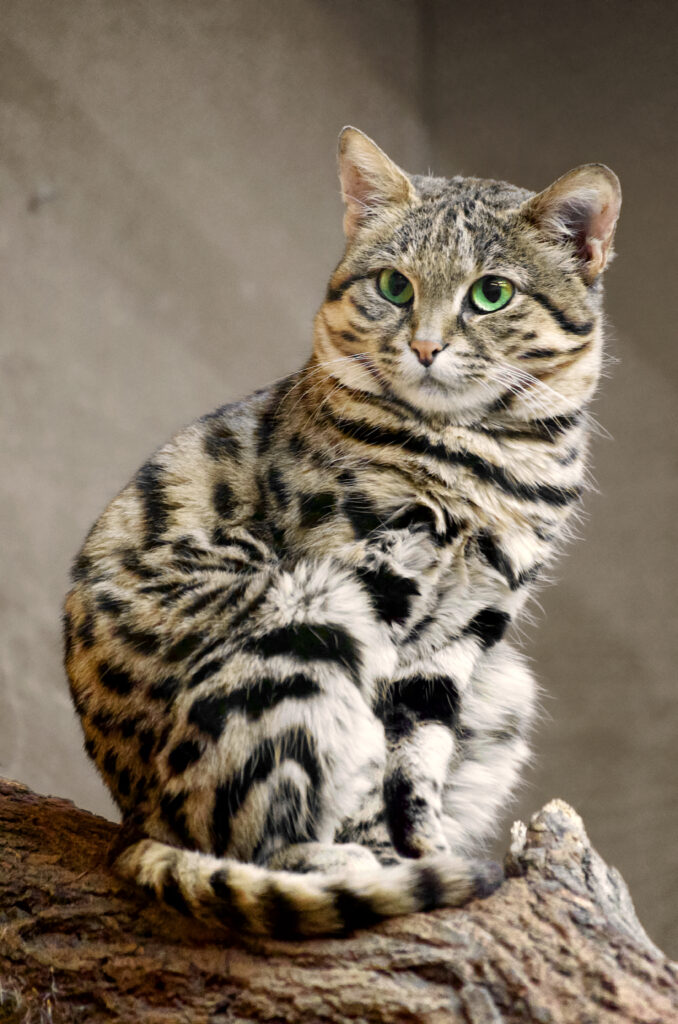
The black-footed cat is a small African feline species, weighing between 1.5 kg and 3 kg (3.3-6.6 lbs). It has a slender body, measuring around 36-50 cm (14-20 in) in length, including its tail, which can reach up to 26 cm (10.2 in) in length. Its most distinctive feature is the black coloration of its feet and toes, which sets it apart from other felines.
The black-footed cat’s coat can vary in color, ranging from golden brown with dark spots to darker brindle patterns. However, the presence of black footprints is a surefire way to identify this species.
Classification
As a member of the Felidae family, the black-footed cat is a carnivorous predator that does not thrive in domestic environments. Its behavior and physical characteristics are more suited to its natural habitat, where it hunts small prey like rodents, birds, and insects at night.
Habitat and Distribution
The two subspecies of the black-footed cat, Felis nigripes nigripes and Felis nigripes thomasi, inhabit arid regions in southern Africa, specifically in Botswana, Namibia, and South Africa. They are solitary animals and have limited interactions with humans.
Behavior and Socialization
Black-footed cats are not known for their social behavior, as they do not interact much with other members of their species or even humans. Their mating habits are also quite unusual, with short courtship periods and minimal post-natal care.
Female black-footed cats typically give birth to litters of two cubs after a gestation period of approximately one month. The cubs are weaned quickly, usually within 24-48 hours, which allows them to fend for themselves from an early age.
Cuteness Factor
While the black-footed cat’s reputation precedes it, its appearance can be quite endearing. Its slender body and golden-brown coat with dark spots make it a unique and attractive feline species.
However, their aggressive behavior and limited interaction with humans mean that they are not suitable as domestic pets.
Domestic Alternatives
If you’re interested in interacting with black-footed cats, consider adopting a stray or feral cat that shares similar characteristics. Alternatively, explore other unusual pet options, such as the Norwegian Forest Cat or the Serval.
Conservation Status
The black-footed cat is listed as Near Threatened on the IUCN Red List due to habitat loss and fragmentation, as well as competition with other predators for food resources. Conservation efforts are necessary to protect these unique felines and their habitats.
Hunting Habits
Black-footed cats are skilled hunters, using their agility and stealth to catch small prey. They primarily hunt at night, using their acute sense of smell and hearing to locate their quarry.
Diet and Nutrition
The black-footed cat is an opportunistic omnivore, feeding on a variety of small animals including rodents, birds, and insects. In captivity, they require a diet that mimics their natural habitat, with a focus on high-protein foods like meat and eggs.
Health Concerns
Black-footed cats are susceptible to various health issues, including parasites, diseases, and injuries. Regular veterinary check-ups and proper care can help prevent or manage these issues.
Reproduction and Lifespan
The average lifespan of a wild black-footed cat is around 10-15 years, although some individuals have been known to live up to 20 years in captivity. Female black-footed cats typically give birth to two cubs per litter, with an average interval of one year between litters.
Conservation Efforts
Several organizations and conservation efforts are working to protect the black-footed cat and its habitat. These initiatives include habitat restoration, research programs, and education campaigns to raise awareness about the importance of conserving this unique species.
Conclusion
The black-footed cat is an intriguing yet challenging species to interact with. While their appearance can be captivating, their aggressive behavior and limited socialization make them unsuitable for domestic environments. By understanding their characteristics and habitat requirements, we can appreciate these majestic felines in their natural context.
Frequently Asked Questions
- What is the average weight of a black-footed cat?
The average weight of a black-footed cat is between 1.5 kg and 3 kg (3.3-6.6 lbs). - How long does it take for a black-footed cat to mate?
Mating periods are short, typically lasting only a few hours. - Do black-footed cats make good pets?
No, due to their aggressive behavior and limited socialization, they do not make suitable domestic pets. - Can I adopt a stray black-footed cat?
Consider adopting a stray or feral cat with similar characteristics for interaction purposes. - What is the typical lifespan of a black-footed cat?
The average lifespan of a wild black-footed cat is around 10-15 years. - Are black-footed cats endangered?
As their populations are scattered and fragmented, conservation efforts are necessary to protect these unique felines. - Can I handle a black-footed cat in the wild?
It’s not recommended, as they may become aggressive if threatened or cornered. - How can I learn more about black-footed cats?
If you’re interested in learning more about black-footed cats, consider consulting reputable sources such as the International Union for Conservation of Nature (IUCN) or local wildlife organizations.
Additional Tips for Interacting with Black-Footed Cats
- Keep a safe distance from black-footed cats to avoid triggering their aggression.
- Avoid direct eye contact, as this can be perceived as a challenge.
- Use gentle and calm movements when approaching them.
- Consider working with experienced professionals or conservation organizations if you’re interested in interacting with these animals.
By understanding the characteristics and care requirements of the black-footed cat, we can appreciate these majestic felines in their natural context.


