
As a spice enthusiast, you might have come across the term “cumino nero” or “black cumin,” but do you know what it’s all about? In this article, we’ll delve into the world of Nigella sativa, a plant native to Asia, and explore its unique characteristics, health benefits, culinary uses, and where to find it.
What is Black Cumin?
Black cumin, also known as Nigella sativa, is an annual flowering plant belonging to the Ranunculaceae family. It’s native to the southern and western regions of Asia, and its seeds have been used for centuries in traditional medicine and cooking. The plant grows up to 20-40 cm tall, with linear leaves and delicate white or light-blue flowers.
The Seed: A Treasure Trove of Nutrients
After flowering, Nigella sativa produces a capsule containing several follicles, each housing numerous seeds. These seeds are rich in essential fatty acids, including linoleic acid, oleic acid, and palmitic acid, as well as various micronutrients.
Culinary Uses of Black Cumin
Black cumin has been used extensively in Middle Eastern cuisine for centuries. Its seeds can be toasted and ground into a spice blend known as Gran Masala. You can also use them whole or toasty to add flavor to:
• Vegetables: Carrots, sweet potatoes, and green beans are all enhanced by the nutty flavor of black cumin
• Soups: Add black cumin seeds to your favorite soups for a boost of antioxidants and flavor
• Baked goods: Use ground black cumin in cakes, cookies, and breads for added depth and warmth
• Salads: Sprinkle black cumin seeds over salads for a crunchy texture and nutty flavor
• Poultry, meats, and legumes: Marinate chicken, beef, lamb, or chickpeas with black cumin seeds and olive oil for a delicious and healthy meal
Health Benefits of Black Cumin
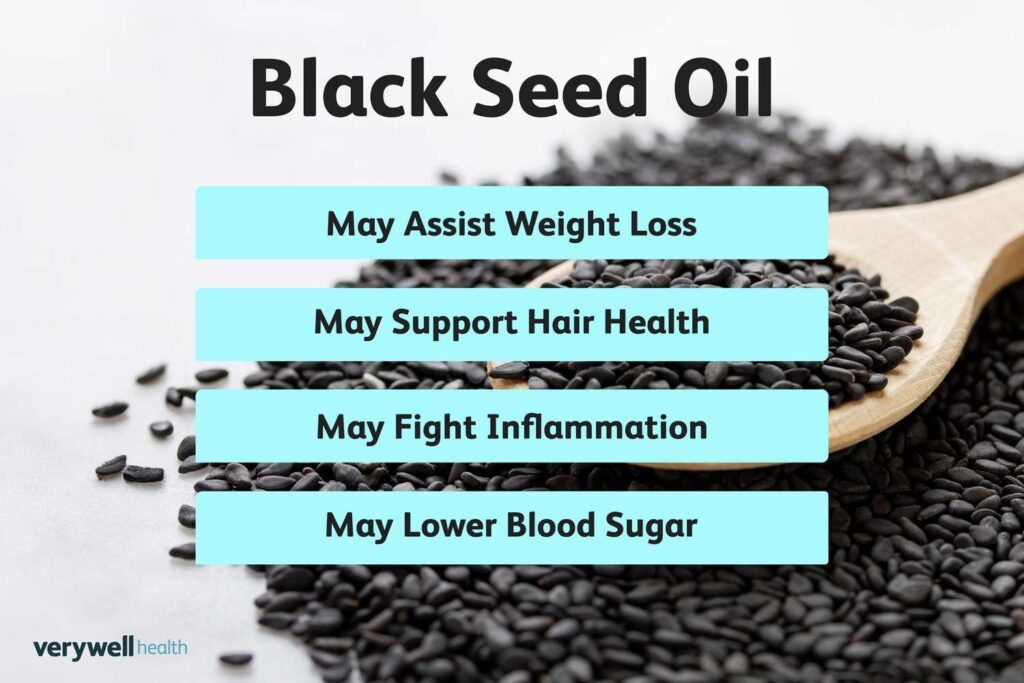
Black cumin has been used in traditional medicine for its numerous health benefits. Some of the most significant advantages include:
- Reducing triglycerides and LDL cholesterol levels: Regular consumption of black cumin may help lower cholesterol levels, reducing the risk of heart disease
- Exhibiting anti-inflammatory properties: Black cumin’s thymoquinone content has potent anti-inflammatory effects, making it a potential natural remedy for conditions like arthritis
- Supporting immune system function: The seeds contain various antioxidants and micronutrients that support immune function and overall health
- Aiding digestion and relieving symptoms of IBS: Black cumin has been shown to improve digestive health by reducing inflammation in the gut
The Power of Thymoquinone
Thymoquinone, a compound found in black cumin, is responsible for its medicinal properties. This powerful antioxidant interacts with opioid receptors in the body, producing various beneficial effects.
- Anti-inflammatory and analgesic effects: Thymoquinone reduces inflammation and pain by interacting with opioid receptors
- Antioxidant properties: Thymoquinone neutralizes free radicals, protecting cells from oxidative damage
- Immune system modulation: Thymoquinone may help regulate the immune system, reducing the risk of autoimmune diseases
Where to Find Black Cumin
Black cumin can be challenging to find in local stores, but it’s widely available online through specialty food retailers and health supplement websites. Be sure to purchase high-quality seeds from reputable sources, as they may have undergone processing or blending with other spices.
Tips for Using Black Cumin
Before using black cumin, toast the seeds in a non-stick pan over medium heat for 2-3 minutes. This enhances their flavor and aroma. You can also consume them raw, but toasting brings out their natural oils and intensifies their taste.
- Toasting: To enhance flavor and aroma, toast black cumin seeds in a pan before using
- Grinding: Grind whole or toasted black cumin seeds into a fine powder for use in cooking and baking
- Storage: Store black cumin seeds in an airtight container in a cool, dry place to preserve their flavor and nutritional value
Conclusion
Black cumin is more than just a spice – it’s a treasure trove of nutrients and medicinal properties. With its unique characteristics and health benefits, it’s no wonder this ancient plant has been used for centuries in traditional medicine and cooking. Whether you’re looking to enhance your culinary creations or improve your overall well-being, black cumin is definitely worth exploring.
Frequently Asked Questions
- What are the most common health benefits of black cumin?
- Reducing triglycerides and LDL cholesterol levels
- Exhibiting anti-inflammatory properties
- Supporting immune system function
- Aiding digestion and relieving symptoms of IBS
- How is thymoquinone used in traditional medicine?
- As an antioxidant to protect against cell damage
- To interact with opioid receptors, producing beneficial effects
- Can black cumin be used as a substitute for other spices?
- No, its unique flavor and aroma set it apart from other spices
- How do I store black cumin seeds?
- In an airtight container in a cool, dry place to preserve their flavor and nutritional value
- Can I consume black cumin if I have allergies or sensitivities?
- If you experience any adverse reactions, consult with a healthcare professional before using black cumin


