
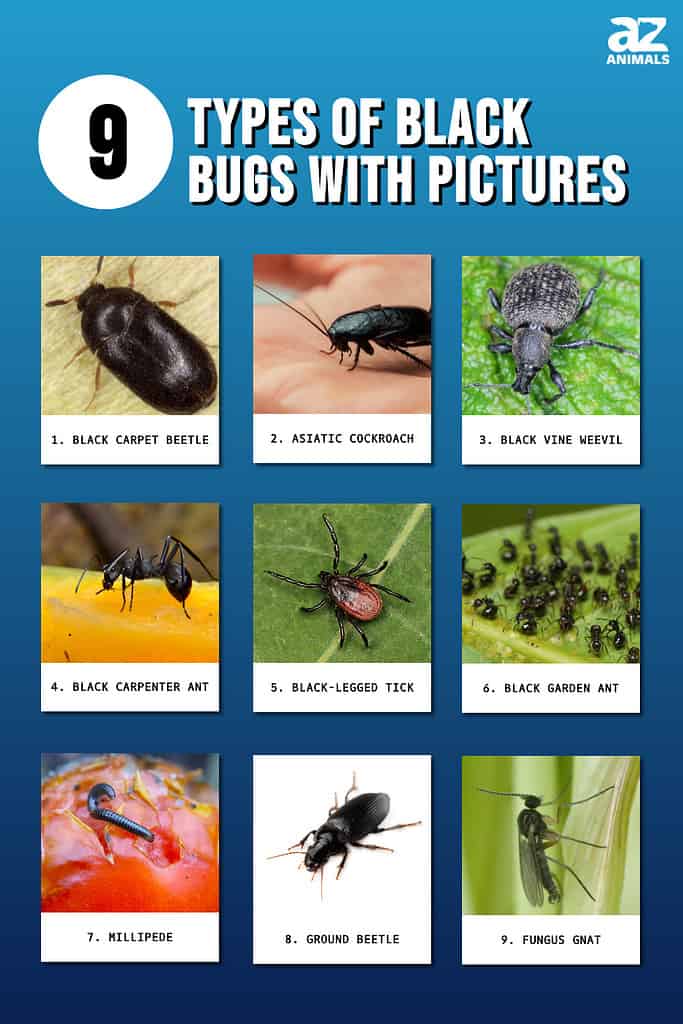
Introduction
As a gardener, it’s natural to feel a sense of dread when you spot an unwanted visitor in your garden. The black garden pest, also known as the Asian greenfly (Halyomorpha halys), is one such unwelcome guest that can cause significant damage to your plants. In this article, we’ll delve into the world of these pesky insects, explore their history, identification, and impact on your garden.
What is the Black Garden Pest?
The black garden pest is a small, voracious insect that belongs to the family Liviidae. It’s native to Asia but has been introduced to Europe and other parts of the world through international trade. The Asian greenfly is also known as the cimice nera or Halyomorpha halys.
History
The black garden pest was first spotted in Europe in 2007, and its presence has been confirmed in various regions, including Emilia Romagna, Lombardy, Piedmont, and the Centre-North. Its spread is attributed to human activity, such as trade and travel. The Asian greenfly can be found throughout Italy, particularly in areas with mild winters.
Identification
The black garden pest is easily recognizable due to its distinctive appearance. It has a mottled brown and white body, measuring between 12-17 mm in length. The head is rectangular in shape, and the antennae are dark with clear spots. In bright light, the insect’s coloration can appear more pronounced.
Impact on Gardens
The black garden pest is a significant threat to gardens worldwide. Its appetite for plant sap can lead to severe damage, including:
- Lesions and blisters on leaves
- Discoloration of foliage
- Stunted growth
- Reduced fruit production
Gardens are not the only affected areas; these pests can also infest agricultural crops like soybeans, corn, and sunflowers.
Seasonal Activity
The black garden pest is most active during the warmer months (July-September) when temperatures rise. As the weather cools, its activity slows down, making it less noticeable.
In the Home
While the Asian greenfly primarily targets gardens, it can also be found in homes, particularly during periods of high humidity or poor ventilation. However, these pests do not feed on human food or cause significant health issues.
Eliminating the Black Garden Pest
To control the black garden pest, you’ll need to employ a multi-faceted approach:
- Use pesticides specifically designed for greenfly control
- Apply neem oil, a natural insecticide with potent antiparastic properties
- Utilize soap-based solutions as an alternative to chemical treatments
Biological Control Methods
In addition to traditional methods, biological control can be an effective way to manage black garden pest populations. Some natural predators and parasites of the Asian greenfly include:
- Ladybugs (Coccinella septempunctata): These beneficial insects feed on the Asian greenfly’s eggs and larvae.
- Lacewings (Chrysopa carnea): Lacewings are known to prey on the Asian greenfly, particularly during its larval stage.
- Parasitic wasps (Trichogramma spp.): These tiny wasps lay their eggs inside the Asian greenfly’s eggs, where they feed on the developing larvae.
Cultural Methods
To prevent black garden pests from infesting your garden, adopt these cultural practices:
- Remove weeds and debris: Keep your garden free of weeds and debris, which can provide shelter for these pests.
- Use row covers: Row covers can help protect plants from wind-borne eggs and prevent the Asian greenfly from laying eggs on leaves.
- Monitor plant health: Regularly inspect your plants for signs of damage or infestation.
Chemical Control Methods
If you do decide to use chemical pesticides, choose products specifically designed for greenfly control. Follow instructions carefully to avoid harming beneficial insects and non-target organisms. Some common pesticide formulations include:
- Pyrethrin-based sprays: These are derived from the flowers of the pyrethrum daisy and are known for their fast-acting, broad-spectrum activity.
- Neem oil-based sprays: Neem oil is a natural insecticide that can be used to control black garden pests.
Prevention Strategies
To prevent black garden pest infestations, consider these strategies:
- Install yellow sticky traps: These can help attract and capture adult Asian greenflies, reducing the risk of egg-laying.
- Use diatomaceous earth: Diatomaceous earth is a natural substance that can be used to repel and kill black garden pests.
Conclusion
The Asian greenfly, also known as the black garden pest, is a significant threat to gardens and agricultural crops worldwide. Its voracious appetite for plant sap can lead to severe damage and reduced yields. By understanding its history, identification, and impact on your garden, you’ll be better equipped to tackle this pesky insect.
FAQs
- Q: How do I identify the black garden pest?
A: The Asian greenfly is characterized by its mottled brown and white body, rectangular head, and dark antennae with clear spots. - Q: What are the symptoms of a black garden pest infestation?
A: Lesions, blisters, discoloration of foliage, stunted growth, and reduced fruit production are all potential signs of an infestation. - Q: How do I prevent black garden pests from entering my home?
A: Reduce humidity, improve ventilation, and eliminate standing water to minimize the presence of these pests indoors. - Q: Are black garden pests a health risk?
A: No, they do not feed on human food or cause significant health issues. - Q: How effective are neem oil and soap-based solutions in controlling black garden pests?
A: Both methods can be effective when used consistently and correctly. - Q: Can I release natural predators to control the black garden pest population?
A: Yes, introducing natural predators like ladybugs and lacewings can help regulate the population. - Q: Are there any specific pesticides recommended for controlling black garden pests?
A: Choose products specifically designed for greenfly control and follow instructions carefully. - Q: Can I grow plants in areas where black garden pests are prevalent?
A: Yes, but take extra precautions to prevent infestations by using integrated pest management strategies.
Remember, understanding the Asian greenfly’s behavior and habits is key to effectively managing its presence in your garden or home. By combining cultural, biological, chemical, and prevention methods, you can keep these pests under control and protect your garden from their voracious appetite for plant sap.


