
Introduction
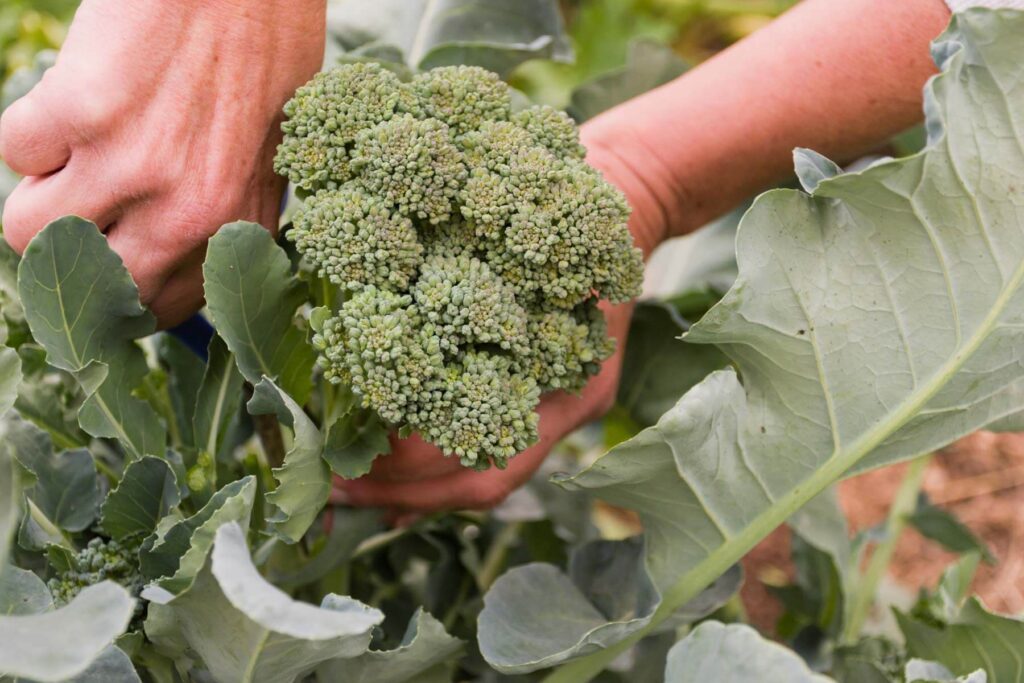
Broccoli nero, also known as black broccoli or Tuscan cabbage, is a type of cruciferous vegetable that has gained popularity in recent years for its unique flavor and nutritional benefits. In this article, we will delve into the world of broccoli nero, exploring how to grow it, cook with it, and incorporate it into your daily meals.
What is Broccoli Nero?
Broccoli nero is a variety of Brassica oleracea varietas Acephala lanciniata, also known as Tuscan cabbage or black broccoli. It is a cool-season crop that thrives in temperate climates, making it an ideal choice for gardeners and home cooks alike.
Growing Broccoli Nero
Growing broccoli nero is a straightforward process that requires minimal care and attention. Here are the basics to get you started:
When to Plant Broccoli Nero?
Broccoli nero can be planted in the fall, spring, or summer, depending on your location and climate.
- Fall planting typically yields a winter harvest.
- Spring planting produces an early-summer crop.
- Summer planting results in a late-autumn harvest.
How to Plant Broccoli Nero?
To plant broccoli nero, you’ll need:
- Good quality soil with a pH between 6.0 and 7.0
- Full sun (at least 6 hours of direct sunlight)
- Well-draining soil
- A trellis or stake for support
Plant the seeds 1-2 inches deep and 12-18 inches apart. Water thoroughly and keep the soil consistently moist during the first few weeks after planting.
Why Does Broccoli Nero Need So Much Space?
Broccoli nero requires more space than other varieties because its leaves are not compacted like those of other vegetables. This allows for better air circulation, which is essential for healthy growth.
Where to Buy Broccoli Nero Seeds
You can find broccoli nero seeds at most gardening stores or online retailers. Some popular options include:
- Amazon
- Burpee
- Seed Savers Exchange
Prices vary depending on the quantity and quality of the seeds, but you can expect to pay around $2-3 per packet.
Cooking with Broccoli Nero
Broccoli nero is a versatile ingredient that can be used in a variety of dishes, from soups to salads. Here are some recipe ideas to get you started:
Pasta with Broccoli Nero
Ingredients:
- 1 pound pasta
- 2 cups broccoli nero florets
- 1/4 cup olive oil
- 2 cloves garlic, minced
- Salt and pepper to taste
- Grated Parmesan cheese (optional)
Instructions:
- Cook the pasta according to package instructions.
- In a large skillet, heat the olive oil over medium-high heat.
- Add the broccoli nero florets and cook until tender, about 5 minutes.
- Add the garlic and cook for an additional minute.
- Toss with cooked pasta, salt, and pepper to taste.
Broccoli Nero Soup
Ingredients:
- 2 cups broccoli nero florets
- 1 medium onion, chopped
- 3 cloves garlic, minced
- 4 cups chicken broth
- 1/2 cup heavy cream (optional)
- Salt and pepper to taste
Instructions:
- In a large pot, sauté the onion and garlic until softened.
- Add the broccoli nero florets and cook until tender.
- Pour in the chicken broth and bring to a boil.
- Reduce heat and simmer for 20-25 minutes.
- Purée with an immersion blender or regular blender.
Frequently Asked Questions
Here are some common questions about broccoli nero that we’ve answered:
- What is the difference between broccoli nero and other types of broccoli?
Broccoli nero has a slightly sweet flavor and a more compact, dark green color compared to other varieties. - Can I grow broccoli nero indoors?
Yes, but it requires specialized equipment and care. You can also use containers on a balcony or patio if you don’t have space for an outdoor garden. - How long does broccoli nero take to mature?
It typically takes 50-60 days from planting to harvest.
Nutritional Benefits of Broccoli Nero
Broccoli nero is packed with nutrients that can help support overall health and well-being. Here are some key nutritional benefits:
- Rich in Vitamins and Minerals: Broccoli nero is an excellent source of vitamins A, C, and K, as well as minerals like calcium and iron.
- High in Fiber: Broccoli nero contains both soluble and insoluble fiber, which can help support healthy digestion and blood sugar levels.
- Antioxidant Properties: Broccoli nero has been shown to contain a range of antioxidants, including flavonoids and carotenoids.
Tips for Growing and Cooking with Broccoli Nero
Here are some additional tips to keep in mind when growing and cooking with broccoli nero:
- Choose Healthy Plants: Look for plants that are free of pests and diseases.
- Use Fresh Ingredients: Choose fresh, high-quality ingredients whenever possible.
- Experiment with Recipes: Don’t be afraid to try new recipes and experiment with different seasonings.
Conclusion
Broccoli nero is a delicious and nutritious addition to any meal. With its unique flavor and versatility, it’s easy to see why this vegetable has gained popularity in recent years. Whether you’re a seasoned gardener or a beginner cook, broccoli nero is worth trying. Happy cooking!


