
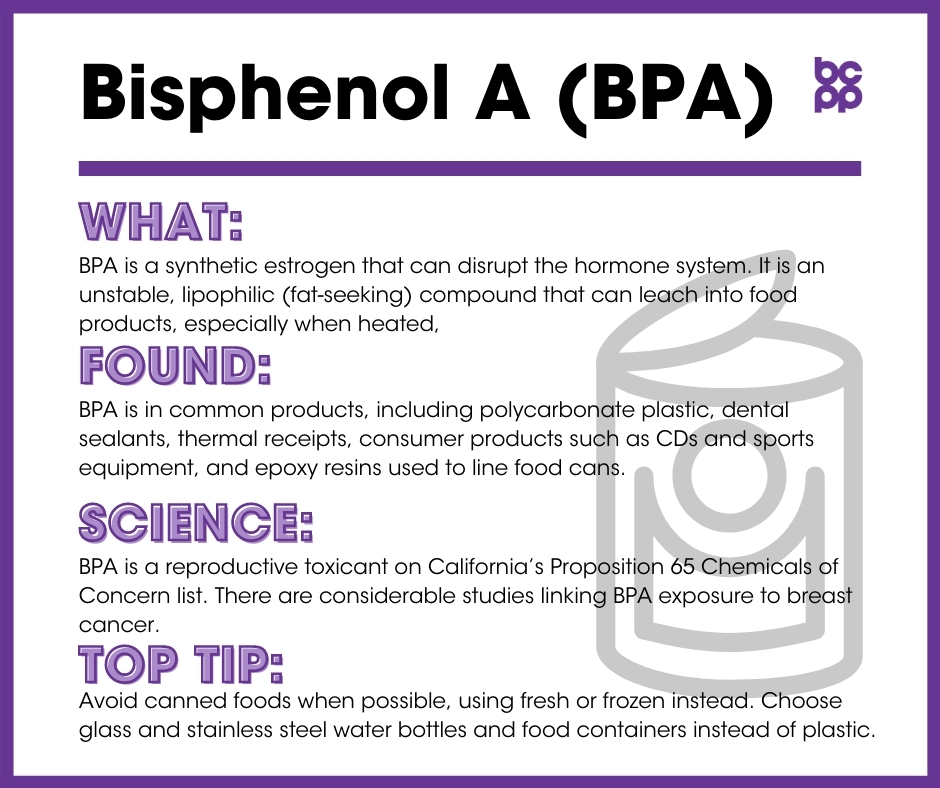
What is Bisphenol A (BPA)?
Bisphenol A, commonly referred to as BPA, is a chemical compound that plays a crucial role in the synthesis of certain plastics and additives. It’s also known as 2,2-bis(4-hydroxyphenyl)propane, a type of organic compound with two phenolic groups attached. In recent years, it has been estimated that over 2-3 million tons of BPA are produced annually.
Bisphenol A: Where It’s Found
BPA is widely present in plastics and its derivatives, which have been used for over half a century. Its widespread use can be attributed to its durability and resistance properties. BPA is particularly concerning in baby bottles, as they often contain polycarbonate, a material that contains BPA.
Bisphenol A: Baby Bottles
The presence of BPA in baby bottles is alarming because it can pose a risk to the health and well-being of infants. Other products that may contain BPA include water bottles, sports equipment, medical devices, eyeglasses, and dental fillings. The widespread use of polycarbonate has led to concerns about the potential health risks associated with BPA.
The Impact of BPA on Infant Development
Research has shown that exposure to BPA during fetal development and early childhood can have negative effects on infant growth and development. Some studies suggest that BPA may contribute to:
- Lower birth weight: Exposure to BPA during pregnancy has been linked to lower birth weight in infants.
- Behavioral problems: BPA exposure has also been associated with behavioral problems, such as attention deficit hyperactivity disorder (ADHD) and autism spectrum disorder (ASD).
- Reproductive issues: Some studies suggest that BPA may contribute to reproductive problems, including endometriosis and infertility.
Bisphenol A: Endometriosis
In recent years, BPA has been linked to endometriosis, a condition that affects the uterus and can cause chronic pelvic pain, infertility, and other symptoms. The connection between BPA and endometriosis is still being studied, but research suggests that exposure to BPA during pregnancy may increase the risk of developing this condition.
The Science Behind BPA Endometriosis
Studies have shown that BPA can mimic the effects of estrogen in the body, which can lead to abnormal cell growth and tissue development. In the case of endometriosis, BPA exposure has been linked to:
- Increased estrogen levels: BPA can increase estrogen levels in the body, which can contribute to endometrial hyperplasia and cancer.
- Inflammation and scarring: Exposure to BPA has also been associated with inflammation and scarring in the pelvic region, which are common symptoms of endometriosis.
Bisphenol A: Exposure Risks
Exposure to BPA can occur through various routes, including:
- Food packaging: BPA is often used in food packaging materials, such as polycarbonate water bottles and microwave-safe containers.
- Water bottles: Many water bottles contain polycarbonate, which may leach into the water over time.
- Sports equipment: Some sports equipment, such as water bottles and softball gloves, may contain BPA.
- Medical devices: Certain medical devices, such as pacemakers and implantable cardioverter-defibrillators (ICDs), have been found to contain BPA.
Reducing Your Exposure to BPA
While the risks associated with BPA exposure are still being studied, there are steps you can take to reduce your exposure:
- Choose BPA-free alternatives: Opt for products that are labeled as BPA-free or made from alternative materials.
- Avoid heating food in plastic containers: Heating food in plastic containers can cause the release of BPA into the environment.
- Use glass or stainless steel containers: Glass and stainless steel containers are safer alternatives to plastic for storing and heating food.
Bisphenol A: Regulations and Guidelines
In 2008, several countries conducted studies on the safety of BPA, leading some manufacturers to remove products containing BPA from the market. However, more research is needed to fully understand the risks associated with BPA exposure.
Some countries have implemented regulations to reduce exposure to BPA:
- The European Union: The EU has banned the use of polycarbonate in baby bottles and other food packaging materials.
- The United States: Some states in the US, such as California and Illinois, have implemented bans on the use of polycarbonate in baby bottles.
FAQs
- What is Bisphenol A (BPA)?
- BPA is a chemical compound that plays a crucial role in the synthesis of certain plastics and additives.
- Where is Bisphenol A commonly found?
- BPA is widely present in plastics and its derivatives, including baby bottles, water bottles, sports equipment, medical devices, eyeglasses, and dental fillings.
- What are the potential health risks associated with Bisphenol A exposure?
- Exposure to BPA has been linked to endometriosis, as well as other health problems, although more research is needed to fully understand these risks.
- How can I reduce my exposure to Bisphenol A?
- Choose BPA-free alternatives when possible, avoid heating food in plastic containers, and use glass or stainless steel containers for storing and heating food.
- What are the regulations surrounding Bisphenol A?
- In 2008, several countries conducted studies on the safety of BPA, leading some manufacturers to remove products containing BPA from the market.
By understanding more about Bisphenol A and its implications, you can make informed decisions to reduce your exposure to this chemical and protect your health.


