
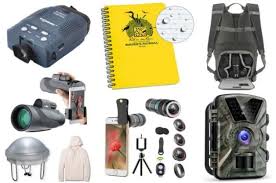
As a nature enthusiast, birdwatching can be a thrilling experience that allows you to connect with the great outdoors and observe the fascinating world of birds. But before you start your birding adventure, it’s essential to know the right equipment and techniques to help you spot and identify these amazing creatures.
What is Birdwatching?
Birdwatching, also known as ornithology, is the practice of observing and studying birds in their natural habitat. It involves identifying different species, understanding their behavior, and learning about their habitats and migration patterns. Birdwatching can be a relaxing and enjoyable activity that allows you to appreciate the beauty of nature and learn about the fascinating world of birds.
The Importance of Dressing for Success
When it comes to birdwatching, dressing for success is crucial. Wearing comfortable clothing in neutral colors can help you blend in with your surroundings, making it easier to spot birds without disturbing them. You can also consider wearing camouflage clothing, such as a turtleneck or a hat, to further conceal yourself.
Binoculars: The Essential Tool
A good pair of binoculars is essential for birdwatching. Look for binoculars with a power range of 8×40 to 10×50, which will provide you with a clear and close-up view of the birds. When choosing binoculars, consider factors such as image quality, weight, and durability.
Top Binocular Picks
If you’re looking for a great pair of binoculars for birdwatching, here are some top picks:
- Olympus 10×50 DPS: A high-quality binocular with excellent image clarity and a comfortable design.
- Nikon Monarch M5 8×30: A versatile and affordable option that’s perfect for beginners.
Field Guides: Your Passport to Bird Identification
A field guide is an essential tool for any birdwatcher. Look for guides that are specifically designed for the region you’re in, as they will provide you with detailed information on the local bird species. Some popular field guides include:
- “Uccelli di Italia” by Giunti Editore: A comprehensive guide to birds in Italy, featuring stunning photographs and detailed descriptions.
- “Birdwatching in Campagna e Zone ‘Umide'” by Edizione l’informatore agrario: A practical guide to birdwatching in campagna and wetland areas.
Tips for Spotting Birds
Here are some tips to help you spot birds:
- Look for birds in areas with food sources, such as feeders or bird baths.
- Pay attention to bird behavior, such as feeding habits, nesting patterns, and migration routes.
- Be patient and quiet, as sudden movements can scare birds away.
Common Bird Species
Here are some common bird species you might encounter:
- Robin
- Sparrow
- Finch
- Blue Jay
Advanced Techniques for Spotting Birds
For experienced birdwatchers, here are some advanced techniques to help you spot more elusive species:
- Use a spotting scope or telescope to get a closer look at birds without disturbing them.
- Learn about the habitats and migration patterns of different species to increase your chances of spotting them.
- Pay attention to subtle changes in behavior, such as changes in song or posture.
Bird Identification Techniques
Here are some techniques for identifying bird species:
- Look for distinctive markings, such as stripes or spots.
- Examine the shape and size of the beak, legs, and feet.
- Observe the plumage and coloration of the bird’s feathers.
Recording Your Bird Sightings
To make the most of your birdwatching experience, it’s essential to record your sightings. Here are some tips:
- Use a journal or app to record your observations, noting the date, time, location, species, and any notable behaviors.
- Include sketches or photos of the birds you spot to help with identification.
- Share your records with other birders to contribute to citizen science projects.
Tips for Birding with Children
If you’re looking to introduce children to birdwatching, here are some tips:
- Make it fun! Bring binoculars and encourage kids to explore their surroundings.
- Use simple language to explain what birds are and why they’re important.
- Encourage kids to ask questions and make observations.
Tips for Birding in Urban Areas
Birds can be spotted in urban areas, especially during migration seasons. Here are some tips:
- Look for parks, gardens, and other green spaces with bird feeders or water features.
- Pay attention to bird behavior, such as feeding habits and nesting patterns.
- Be patient and quiet, as sudden movements can scare birds away.
Common Mistakes to Avoid
Here are some common mistakes to avoid when it comes to birdwatching:
- Disturbing birds with sudden movements or loud noises.
- Failing to wear camouflage clothing or using binoculars that allow you to see the birds clearly.
- Not recording your sightings or sharing them with other birders.
Conclusion
Birdwatching is a fascinating hobby that allows you to connect with nature and observe the amazing world of birds. With the right equipment, techniques, and knowledge, you can become a skilled birdwatcher and enjoy countless hours of birding adventures.
Frequently Asked Questions (FAQs)
Here are some frequently asked questions about birdwatching:
- Q: What is the best time of day to go birdwatching?
A: The best time for birdwatching depends on the season, but generally, early morning and late afternoon are the best times when birds are most active. - Q: How do I choose the right binoculars for birdwatching?
A: Look for binoculars with a power range of 8×40 to 10×50, image quality, weight, and durability. - Q: What is the difference between a field guide and an atlas?
A: A field guide provides detailed information on local bird species, while an atlas offers more general information on bird distribution and migration patterns. - Q: How can I identify birds without a field guide?
A: Pay attention to bird behavior, habitat, and size to make educated guesses about the species. - Q: Can I spot birds in urban areas?
A: Yes, many bird species can be spotted in urban areas, especially during migration seasons.
Additional Resources
For more information on birdwatching, here are some additional resources:
- The Audubon Society: A non-profit organization dedicated to conservation and education.
- The Cornell Lab of Ornithology: A leading research institution for bird studies.
- BirdLife International: An international partnership of conservation organizations working to protect birds and their habitats.
Conclusion
Birdwatching is a rewarding hobby that allows you to connect with nature and observe the amazing world of birds. With the right equipment, techniques, and knowledge, you can become a skilled birdwatcher and enjoy countless hours of birding adventures.


