
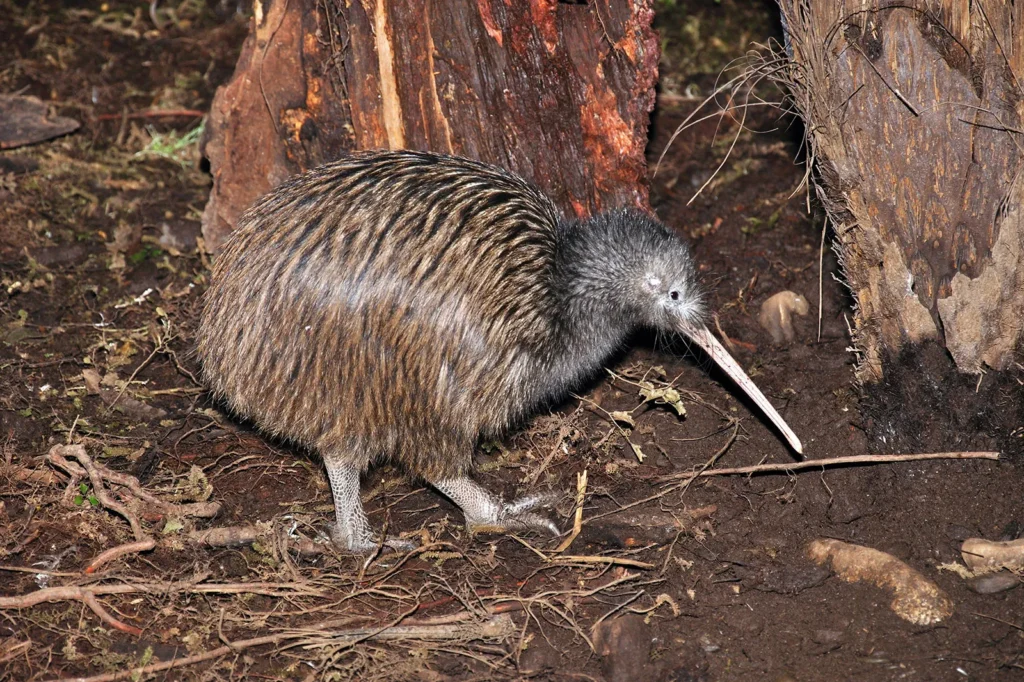
If we didn’t have birds like the ostrich and penguin in front of our eyes, we might think that all birds are like eagles, swans, parrots, sparrows, swallows, gulls, cormorants, and pigeons. But there are indeed some bird species that do not fly, for various reasons, including their size. These fascinating creatures have adapted to life on the ground or in water, evolving unique characteristics to survive and thrive in their environments.
Flightless Birds in Our Backyard
In our own backyard, we have at least two birds that don’t fly: the turkey and the rooster. These birds may look like flying machines, but they prefer to stay grounded. The domesticated turkey, for example, is a large bird that originated from the wild turkey of North America. While it can fly short distances, it’s not as agile or efficient in flight as its ancestors.
The rooster, on the other hand, is a male chicken that has lost its ability to fly over time due to domestication and breeding for desirable traits such as size and egg-laying abilities. Despite their lack of flight capabilities, both turkeys and roosters are known for their impressive courtship displays, where they strut around and make loud noises to attract mates.
Australian Flightless Birds
Australia has its share of amazing flightless birds. The Cassowary (Casuarius spp.) is similar to the ostrich but also found in the Moluccas and New Guinea. It may look like an alien, with a distinctive helmet-like structure on its head, colorful crests near its neck, and scaly legs with sharp spurs. These birds use their powerful legs and sharp spurs to defend themselves from predators, including males using them to protect their eggs in hidden nests.
The Emu (Dromaius novaehollandiae) is another iconic Australian flightless bird. It’s a large bird that can grow up to 2 meters tall and weigh around 50 kilograms. Despite its size, it can run at speeds of up to 50 kilometers per hour, making it one of the fastest birds on land.
The Moa (Dinornithiformes) is an extinct flightless bird that once inhabited New Zealand. It was a large, flightless bird with impressive wingspan, weighing up to 200 kilograms. The Moa’s diet consisted mainly of leaves, seeds, and fruits, which it foraged on the ground using its powerful beak.
Flightless Birds: Names
There are several lesser-known flightless birds worth mentioning. The Kakapo (Strigops habroptila) is often compared to an owl or parrot but cannot fly due to its short wings. This New Zealand native can hop from branch to branch using its powerful legs, much like a kangaroo.
The Nandu (Rhea pennata), also known as the Kiwi in some parts of South America, is a flightless bird found only in New Zealand, weighing around 5 kilograms and measuring up to 60 centimeters in length. Despite its small size, it’s an excellent swimmer, with almost invisible wings hidden beneath its feathers.
The Rhea (Rhea americana) is a large flightless bird that lives in South America, found in Argentina, Bolivia, Brazil, Paraguay, Uruguay, and parts of Chile and Colombia. It’s a member of the ratite family, which also includes ostriches, emus, and kiwis.
Flightless Birds: List
Here’s a list of the most well-known flightless birds:
- Turkey
- Rooster
- Cassowary
- Emu
- Ostrich
- Kakapo
- Nandu
- Kiwi
- Penguin
Penguin Flightlessness
Penguins may seem like they have lost their ability to fly due to the transformation of their wings into flippers, but many people find this charming and endearing. Children and adults alike love penguins, which evoke a sense of sympathy and concern.
The evolution of penguins is closely tied to their flightlessness. It’s believed that penguins first evolved from flying birds around 60 million years ago, during the Cretaceous period. Over time, they developed shorter wings and more powerful flippers, allowing them to become excellent swimmers and divers in the ocean.
Flightless Birds: Adaptations
Flightless birds have adapted to their environments in unique ways to survive and thrive on land or in water. Some of these adaptations include:
- Strong legs and sharp spurs for defense against predators
- Powerful beaks for foraging and eating
- Webbed feet for swimming and diving
- Short wings or flippers for maneuverability in the air or water
- Thick feathers for insulation and protection from the elements
Flightless Birds: Habitat
Flightless birds can be found in various habitats around the world, including:
- Grasslands and savannas of Africa
- Deserts and grasslands of Australia
- Rainforests and wetlands of South America
- Oceans and coastlines of Antarctica
- Islands and coastal areas of New Zealand
Conservation Efforts
Many flightless bird species are threatened by habitat loss, hunting, and climate change. Conservation efforts are underway to protect these unique birds and their habitats.
For example, the conservation of the Kakapo in New Zealand involves breeding programs, protected areas, and education campaigns to raise awareness about the importance of preserving this endangered species.
Flightless Birds: Cultural Significance
Flightless birds have significant cultural and symbolic meanings in many societies. For example:
- In ancient Greece, the ostrich was associated with strength and power.
- In Australia, the emu is considered a sacred animal by some Aboriginal tribes.
- In New Zealand, the kiwi is a national symbol and an important part of Maori culture.
Flightless Birds: Fun Facts
Here are some fun facts about flightless birds:
- The ostrich can reach speeds of up to 70 kilometers per hour when running away from predators.
- The emu can live for up to 50 years in the wild, making it one of the longest-lived birds on land.
- Penguins can drink saltwater because they have a special gland above their eyes that filters out excess salt.
- Flightless birds can fly short distances when needed, but only if they’re young and healthy.
Conclusion
Flightless birds are fascinating creatures that have adapted to life on the ground or in water. From the ostrich and emu of Africa to the penguins of Antarctica, these birds have evolved unique characteristics to survive and thrive in their environments.
By learning more about flightless birds, we can appreciate their cultural significance, conservation efforts, and symbolic meanings in many societies. Whether you’re a bird enthusiast or just curious about the natural world, flightless birds are sure to captivate and inspire.


