
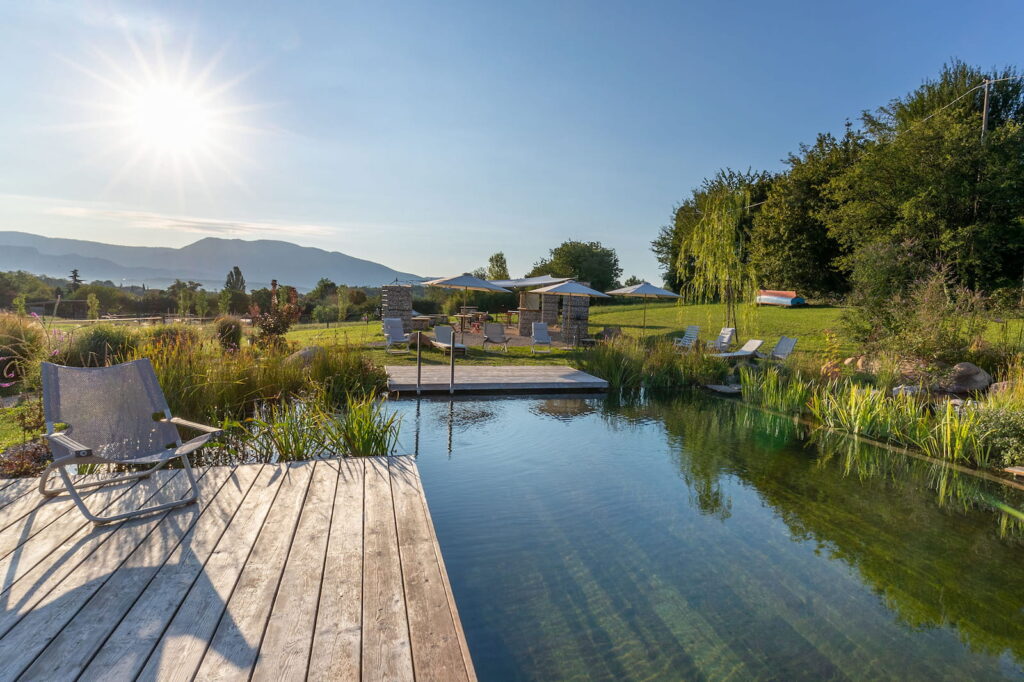
As we continue to seek ways to reduce our environmental footprint, many of us are turning to alternative forms of entertainment and recreation that don’t harm the planet. One such option is the natural pool, also known as a biopool or bio-piscina in Italian. In this article, we’ll explore what makes a natural pool unique, how they differ from traditional pools, and what benefits they offer.
What is a Natural Pool?
A natural pool is a type of swimming pool that uses a natural system to purify the water, rather than relying on chemical treatments. The purification process involves the use of plants and other microorganisms to break down organic matter and remove impurities from the water. This approach not only produces cleaner water but also creates a unique ecosystem that supports a variety of aquatic life.
Key Characteristics of Natural Pools
Unlike traditional pools, natural pools have several distinct characteristics:
- No chemical treatments: Natural pools rely on natural processes to purify the water, eliminating the need for harsh chemicals.
- Plant-based filtration: Plants and other microorganisms play a crucial role in filtering out impurities from the water.
- Ecosystem-friendly design: Natural pools are designed to support a diverse range of aquatic life, making them more environmentally friendly than traditional pools.
Benefits of Natural Pools
Natural pools offer several benefits over traditional pools:
- Improved water quality: The natural filtration process produces cleaner water that’s healthier for swimmers.
- Energy efficiency: Natural pools can be designed to harness solar energy and other renewable sources, reducing their carbon footprint.
- Increased biodiversity: By supporting a diverse range of aquatic life, natural pools promote biodiversity and ecosystem health.
Real-World Examples of Natural Pools in Italy
Italy is home to several natural pools that showcase the beauty and benefits of these unique structures. Some notable examples include:
- Biopiscine in Campo Tures (Bz): This natural pool in north-eastern Italy features a stunning design that incorporates plants and other microorganisms into its filtration system.
- Piscina Naturale di Dobbiaco (Bz): Located in the Dolomite Mountains, this natural pool offers breathtaking views of the surrounding landscape while providing a clean and healthy swimming experience.
Designing Your Own Natural Pool
While it may seem daunting to design your own natural pool, there are several resources available to help you get started. Here are some tips for designing a natural pool:
- Research and planning: Start by researching different designs and technologies used in natural pools.
- Consult with experts: Reach out to professionals who specialize in natural pool design and construction.
- Document your project: Keep detailed records of your progress, including measurements, materials, and equipment used.
Sizing Your Natural Pool
One of the most important factors when designing a natural pool is sizing it correctly. The size of your natural pool will depend on several factors, including:
- The number of users: Larger pools require more water to be changed regularly.
- Water depth: Deeper pools may require larger amounts of water to maintain their desired level.
- Local regulations: Check with local authorities for specific requirements and restrictions.
Materials Needed
To construct a natural pool, you’ll need the following materials:
- Pool liner or shell: This will provide the structural framework for your natural pool.
- Filter system: A filter system is necessary to remove impurities from the water.
- Pumps and pipes: These are required to circulate the water and provide oxygenation.
- Water treatment equipment: Depending on the size of your pool, you may need additional equipment to treat the water.
Plant Selection
When choosing plants for your natural pool, consider the following factors:
- Type of plant: Different types of plants have different filtration capabilities. For example, aquatic plants like water lilies and cattails are excellent at removing impurities.
- Size of plant: Smaller plants may be more suitable for smaller pools.
- Local climate: Choose plants that are adapted to the local climate.
Conclusion
Natural pools offer a unique alternative to traditional swimming pools, providing improved water quality, energy efficiency, and increased biodiversity. Whether you’re looking to install a natural pool in your backyard or simply want to learn more about this innovative technology, there’s never been a better time to explore the world of natural pools.


