
Introduction
Biogas, also known as renewable natural gas (RNG), is a clean-burning fuel produced from the anaerobic digestion of organic matter. In this article, we will explore the production of biogas in Italy, its raw materials, and its potential to contribute to a sustainable energy mix.
What is Biogas?
Biogas is a mixture of methane (CH4) and carbon dioxide (CO2), with a typical composition of 55-65% methane. It is produced through the anaerobic digestion of organic matter, such as food waste, agricultural by-products, and wastewater sludge.
Raw Materials for Biogas Production
The raw materials for biogas production in Italy are primarily agricultural by-products, such as:
- Food waste
- Animal manure (from livestock and poultry)
- Crop residues (e.g., corn stover)
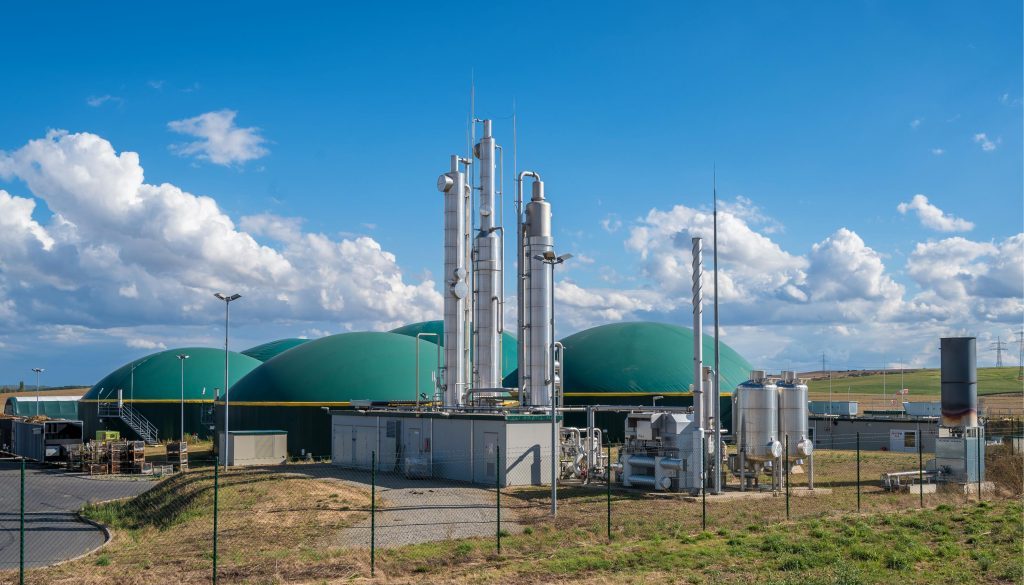
These organic materials are fed into anaerobic digesters, where they are broken down by microorganisms into biogas.
History of Biogas Production in Italy
Biogas production in Italy dates back to the 1980s, when the first small-scale biogas plants were established. These early plants were primarily used for electricity generation and heating applications. Over time, the technology has evolved, and modern biogas plants have been designed to produce both electricity and heat.
Controversies Surrounding Biogas Production
While biogas is a renewable energy source, its production has been criticized for potential environmental impacts. The main concerns include:
- Land use changes: Large-scale biogas production can lead to land use changes, potentially displacing traditional agricultural practices.
- Greenhouse gas emissions: Biogas production and transportation can result in greenhouse gas emissions.
Sustainable Biogas Production
To mitigate these concerns, sustainable biogas production requires a closed-loop system where the biogas is produced on-site from local organic waste. This approach reduces transportation emissions and supports local food systems.
Biometano: A Renewable Energy Source for Italy
Italy has a significant potential for biometano production, particularly in regions with fertile soil and favorable climate conditions. Biometano can be used as a substitute for fossil fuels, reducing greenhouse gas emissions and air pollution.
Potential Economic Benefits
According to a study by Althesys, investing in biogas production in Italy could generate significant economic benefits. The study estimates that every euro invested in biogas production could yield a return of €4-5 euros.
The Role of Agriculture in Biometano Production
Agricultural activities play a crucial role in biometano production. In regions with suitable soil and climate conditions, agricultural practices can be adapted to produce organic waste for biogas production.
Regions with High Potential for Biometano Production
Several Italian regions have high potential for biometano production:
- Abruzzo
- Molise
- Campania
- Puglia
- Basilicata
- Calabria
- Sicilia
- Sardegna
These regions have fertile soil, favorable climate conditions, and a strong agricultural tradition.
Technical Aspects of Biogas Production
The technical aspects of biogas production involve the following steps:
- Feedstock selection: The type and quality of feedstock used in biogas production can significantly impact the final product.
- Anaerobic digestion: Anaerobic digestion is a complex process that involves the breakdown of organic matter by microorganisms into biogas.
- Biogas separation: Biogas is separated from other gases, such as hydrogen sulfide and carbon dioxide, through various methods.
- Cleaning and upgrading: The biogas is cleaned and upgraded to remove impurities and improve its quality.
Challenges and Opportunities
Despite the potential benefits of biogas production in Italy, there are several challenges and opportunities that need to be addressed:
- Land use changes: Large-scale biogas production can lead to land use changes, potentially displacing traditional agricultural practices.
- Greenhouse gas emissions: Biogas production and transportation can result in greenhouse gas emissions.
- Feedstock availability: The availability of suitable feedstocks for biogas production is a critical factor in its success.
Conclusion
Biogas production has the potential to contribute significantly to Italy’s energy mix while promoting sustainable agriculture practices. By adopting closed-loop systems and reducing transportation emissions, biometano can become a clean-burning fuel for transportation, industry, and heating applications. Additionally, the technical aspects of biogas production can be improved through research and development, addressing challenges such as land use changes and greenhouse gas emissions.
Future Directions
The future direction of biogas production in Italy will depend on various factors, including:
- Policy support: Government policies and incentives will play a crucial role in promoting biogas production.
- Research and development: Continued research and development are necessary to improve the technical aspects of biogas production.
- Public awareness: Raising public awareness about the benefits of biogas production is essential for its adoption.
References
- Althesys (2019). Biometano in Italia: Opportunità e sfide per una transizione energetica.
- European Commission (2020). Renewable Energy Directive 2018/1008/EU.
- International Energy Agency (IEA) (2020). Global Energy Review 2020.
- Italian Ministry of Environment, Land and Sea (2020). Biometano: un’energia rinnovabile per l’Italia.
Appendix
- Biogas production in Italy by region
- Comparison of biogas production costs
- Case study: Biometano production in a small-scale biogas plant
- Research paper on the technical aspects of biogas production


