
As we navigate the complexities of sustainable energy, one biofuel stands out for its potential to transform our transportation sector: biogas. This game-changing fuel has been gaining momentum in Italy, with government support and technological advancements propelling it towards national adoption. But what exactly is biogas, and why should you care?
The Science Behind Biogas
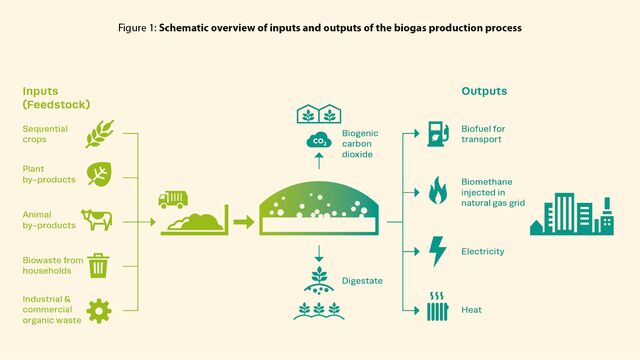
Biogas is a renewable energy source produced through two primary processes: anaerobic digestion and gasification. Anaerobic digestion involves microorganisms converting organic matter into methane and carbon dioxide, while gasification utilizes high-temperature synthesis to produce biogas. This process can be applied to various waste streams, including agricultural by-products, municipal solid waste, and even non-food crops like miscanthus and switchgrass.
The anaerobic digestion process typically involves the following steps:
- Inoculation: Microorganisms are added to the organic matter, which is often in the form of food waste, manure, or crop residues.
- Digestion: The microorganisms break down the organic matter into simpler compounds, releasing methane and carbon dioxide as byproducts.
- Separation: The biogas produced during digestion is separated from the liquid digestate through a process called settling.
Gasification, on the other hand, involves heating the organic matter to high temperatures (typically between 500°C and 1000°C) in the presence of a limited amount of oxygen. This process produces a mixture of methane, carbon monoxide, and hydrogen.
The Benefits of Biogas for Transportation
Biogas offers a unique combination of technical and economic benefits, making it an attractive alternative to traditional fuels. Studies conducted by the German Energy Agency (DENA) demonstrate that biogas-powered vehicles emit comparable levels of pollutants to electric vehicles powered by renewable energy sources like wind power.
Moreover, biogas has the potential to unlock Italy’s industrial gas sector, which already boasts a competitive edge globally. By producing and using biogas, Italy can create new revenue streams for farmers and industries, while reducing its dependence on imported fossil fuels.
The Italian Biogas Scenario
Italy is poised to become a leader in biogas production, with government support and technological advancements driving growth. The recent entry into force of the interministerial decree allowing biogas use in transportation, networks, and cogeneration has created an exciting landscape for innovation.
However, regulatory hurdles remain to be addressed before biogas can reach its full potential. These include:
- Infrastructure development: A network of gas stations and distribution points is needed to support the widespread adoption of biogas-powered vehicles.
- Public acceptance: Biogas production and use require education and awareness-raising efforts to address concerns about safety, health, and environmental impact.
- Regulatory frameworks: Clear policies and regulations are necessary to facilitate the growth of the biogas sector and ensure its integration into Italy’s energy mix.
The Biometano: Italy’s National Biofuel
Biometano is a key component of Italy’s biofuel strategy, with the aim of becoming the country’s first national biofuel. By harnessing local resources and waste streams, biometano production has the potential to create new revenue streams for farmers and reduce waste in agriculture.
The Biometano project aims to:
- Promote sustainable agriculture: Encourage farmers to adopt environmentally friendly practices and integrate organic matter into their farming operations.
- Reduce greenhouse gas emissions: Mitigate climate change by reducing dependence on fossil fuels and promoting the use of renewable energy sources.
- Create new economic opportunities: Generate revenue streams for farmers, industries, and local communities through biogas production and use.
The Future of Biogas in Italy
As we look towards a more sustainable future, Italy is well-positioned to capitalize on the biogas revolution. With the help of industry leaders like CIB (Consorzio Italiano Biogas) and government support, biogas production is set to become an integral part of the country’s energy mix.
To achieve this goal, Italy will need to invest in research and development, infrastructure development, and education and awareness-raising efforts. This includes:
- Investing in R&D: Continuously develop new technologies and processes to improve biogas production efficiency, safety, and environmental impact.
- Developing infrastructure: Build a network of gas stations, distribution points, and storage facilities to support the widespread adoption of biogas-powered vehicles.
- Raising public awareness: Educate consumers about the benefits and potential risks associated with biogas use, and promote a culture of sustainability and environmental responsibility.
Conclusion
The rise of biogas as Italy’s national biofuel marks a significant turning point in the country’s energy landscape. With its unique blend of technical and economic benefits, biogas offers a compelling alternative to traditional fuels. As we move forward, it’s essential to address regulatory hurdles and continue investing in research and development to unlock the full potential of this game-changing fuel.
Frequently Asked Questions
- What is biogas?
Biogas is a renewable energy source produced through anaerobic digestion or gasification processes. - How is biogas used today?
Biogas is primarily used in transportation, with some applications in cogeneration and the gas network. - What are the benefits of biogas for transportation?
Biogas offers comparable emissions to electric vehicles powered by renewable energy sources and unlocks Italy’s industrial gas sector. - What role does CIB play in Italy’s biogas landscape?
CIB (Consorzio Italiano Biogas) represents the Italian biogas industry, providing support and resources for farmers and innovators alike. - How can I get involved in Italy’s biogas revolution?
Stay tuned for updates on government initiatives, industry events, and opportunities to contribute to the growth of the biogas sector in Italy. - What is the future outlook for biogas production in Italy?
Regulatory hurdles aside, biogas production is poised to become an integral part of Italy’s energy mix, driving economic growth and reducing waste. - How does biometano fit into Italy’s national biofuel strategy?
Biometano is a key component of Italy’s biofuel strategy, aimed at becoming the country’s first national biofuel. - What are the benefits of biogas for agriculture?
Biogas production can create new revenue streams for farmers and reduce waste in agriculture by utilizing organic matter and agricultural by-products. - Can I use biogas-powered vehicles?
Yes, but regulatory approvals vary by region; consult local authorities for more information on biogas vehicle approval. - How does the Italian government support biogas production?
Government initiatives include interministerial decrees, funding programs, and research grants to promote the growth of the biogas sector in Italy.
Sources
- Deutsche Energie Agentur (DENA) – “Biometano: Un nuovo fronte per la sostenibilità energetica”
- CIB (Consorzio Italiano Biogas) – “Il ruolo del biogas nella strategia energetica italiana”
- Italian Ministry of Environment and Energy – “Interministerial Decree on Biometano Use”


