
Biomass has been gaining momentum in Italy, with installations popping up slowly, but the potential benefits to the environment and an individual company’s bottom line are undeniable. Biomass plants, particularly those that utilize “wood waste” as fuel, could play a significant role in national energy production, breaking free from carbon-based sources.
What is Biomass?
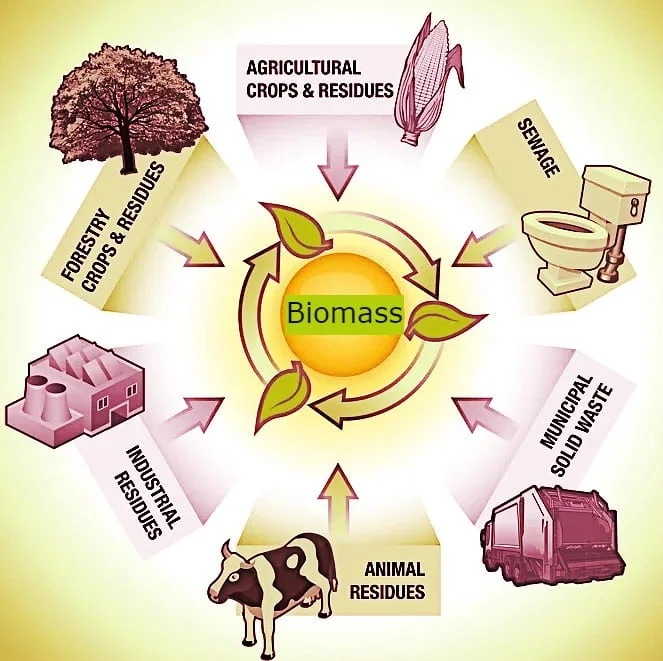
Biomass is derived from organic materials such as agricultural waste, animal feed, and forestry byproducts. Let’s take a closer look at the main sources of biomass:
- Wood Waste: Sawdust, wood chips, and other forest residues
- Agricultural Waste: Crop leftovers, silage, and manure from livestock farming
- Manure and Animal By-Products
- Urban Wastes: Trash collected from households and businesses
- Residues from Agriculture and Forestry
- Pellets and Other Cultivated Vegetables
It’s worth noting that biomass derived from urban waste is a complex topic, and we’ll explore it in more depth in another article. For now, let’s focus on the benefits of biomass plants.
Benefits of Biomass Plants
Prior to the widespread adoption of biomass installations, companies were forced to pay for waste disposal. However, with the growth of biomass plants, this has become a lucrative opportunity for energy production and access to incentives.
Biomass and Environment
For a biomass plant to have minimal environmental impact, it must be small-scale and exclusively process local biomass. The primary goal is to treat on-site waste, not produce electricity. If the ultimate objective is to generate electricity, the plant will require larger dimensions and imported biomass, leading to significant CO2 emissions from transportation.
The Future of Biomass in Italy
Italy has been slow to adopt biomass installations, but the benefits are undeniable. With the right approach, biomass can become a vital component of national energy production, reducing dependence on fossil fuels.
Key Considerations for Successful Biomass Implementations
When implementing a biomass plant, it’s essential to consider several factors:
- Local Source: Biomass must be sourced from local production to minimize transportation emissions.
- Small-Scale Operations: Plants should prioritize small-scale operations to reduce environmental impact.
- Exclusive Waste Treatment: The primary goal is to treat on-site waste, not produce electricity.
By adopting these strategies, Italy can unlock the full potential of biomass and create a more sustainable energy future.
Conclusion
Biomass has the power to transform the way we think about energy production. With careful planning, implementation, and consideration of environmental impact, biomass plants can become a vital component of Italy’s national energy strategy. As we move forward, it’s essential to prioritize sustainability, minimize emissions, and harness the full potential of this renewable energy source.
Frequently Asked Questions
- What is biomass?
- Where does biomass come from?
- Can biomass plants produce electricity?
- How do biomass plants impact the environment?
- What are some key considerations for successful biomass implementations?
- How can biomass be sourced locally to minimize environmental impact?
- What are some benefits of small-scale biomass operations?
- How can biomass be used to treat on-site waste?
Additional Considerations
- Policy Support: Implementing policies that encourage the adoption of biomass installations, such as tax incentives or low-interest loans, can help foster growth in the industry.
- Public Education: Raising awareness about the benefits and potential of biomass can help build support for its implementation.
- Collaboration and Partnerships: Fostering partnerships between government agencies, private companies, and community organizations can facilitate the development of large-scale biomass installations.
Challenges and Limitations
While biomass has the potential to become a significant contributor to Italy’s energy mix, there are several challenges and limitations that must be addressed:
- Scalability: Biomass plants require significant amounts of fuel, which can be difficult to source and transport.
- Cost: Implementing large-scale biomass installations can be expensive, making it challenging for companies to adopt the technology.
- Land Use: Large-scale biomass operations can lead to land use conflicts, particularly in areas with high conservation value.
Conclusion
Biomass has the potential to play a significant role in Italy’s energy mix, but careful planning, implementation, and consideration of environmental impact are essential. By understanding the benefits and limitations of biomass, we can unlock its full potential and create a more sustainable energy future for generations to come.


