
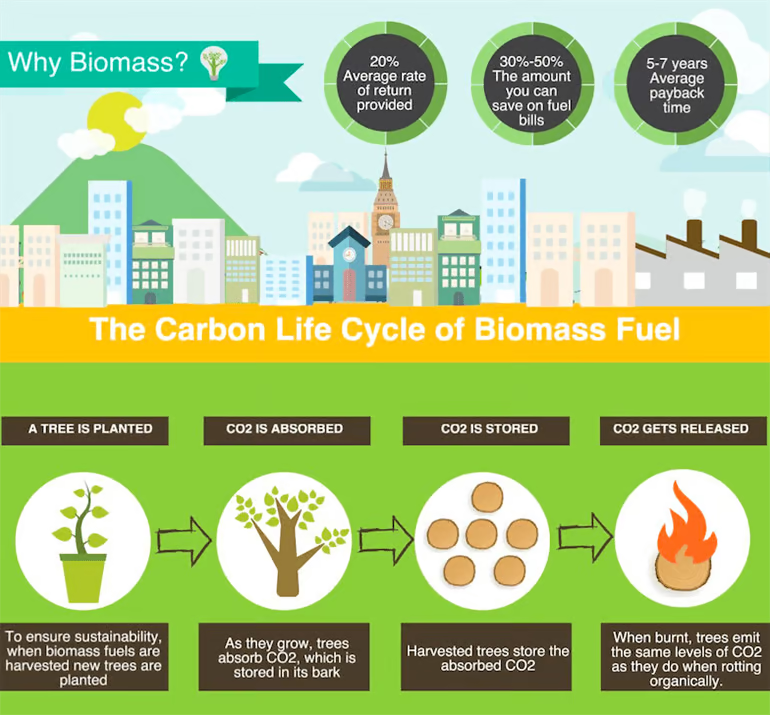
Biomass is not just wood, sawdust, pellets, or briquettes. It refers to the energy generated by burning organic materials such as wood, agricultural waste, and forestry residues. As a user of these devices in your home, you are already contributing to the development of this clean and renewable energy source.
However, it’s crucial to note that not all biomass is created equal. Only biomass produced under specific guidelines can be considered “clean.” For instance, during combustion, particles that aren’t filtered out can still be released, which isn’t ideal for indoor air quality.
Given its importance, let’s delve into the world of biomass for domestic heating and examine both the benefits and challenges associated with it.
History of Biomass Use in Italy
Biomass has become increasingly popular in Italy over the years. According to data from 2011, there were approximately 200,000 stoves, boilers, and thermomini sold on the Italian market (Source: Amici della Terra). It’s worth noting that about 98% of these devices run on wood or pellets, while 2% utilize biomass for central heating.
In recent years, the number of biomass-powered appliances has grown significantly, with an almost doubling of installations over the past decade. This trend highlights the growing recognition of biomass as a viable energy source.
Italian Industry’s Role in Biomass
Italy boasts a solid position within its domestic market and also has a significant share of national production being exported. The industry is not only a vital part of Italy’s energy sector but also provides substantial employment opportunities, especially for those involved in installation and maintenance services.
The Italian biomass industry has been working hard to promote the use of sustainable biomass sources, such as waste wood from sawmills, agricultural residues, and forestry residues. These efforts have led to the development of innovative technologies and products that can efficiently produce energy from biomass.
The Unanswered Question: How Much Biomass is Consumed?
However, finding precise answers to the question “how much biomass is consumed?” proves challenging due to inconsistent commercial sales figures and personal consumption data. Nonetheless, estimates by FIRE (Federazione Italiana per l’uso Razionale dell’Energia) suggest that current annual consumption stands at around 8 million tons of energy equivalent (Mtep), with this amount potentially reaching 11 Mtep in 2030.
The Challenge of Biomass Management
Despite Italy’s abundance of biomass resources, the lack of efficient management systems poses a significant threat. Poorly managed biomass could not only lead to environmental issues but also have far-reaching consequences for other countries depending on these resources.
Therefore, adopting a sustainable approach is critical in addressing this challenge. This includes implementing effective guidelines that prioritize eco-friendly practices throughout the entire process, from harvesting to consumption.
A Key Model: Ecological Criteria
One key model for managing biomass sustainably is based on ecological criteria. To be considered an “ecologically sound” source of energy, a biomass product must adhere to several strict guidelines:
1. The use of already dead trees without harming living ones.
2. Sustainable forestry practices, such as the thinning method using narrow strips of forest or one tree every four years.
3. Protection of ancient trees, endangered species, historic forests, and their habitats.
4. Use of environmentally friendly equipment, including manual saws, electric chainsaws, wood chippers, and hand axes. No transportation via land or sea is allowed for extensive distances. Lastly, recompense payments must be made to workers involved in these operations.
By adopting such a model, Italy can ensure that its reliance on biomass for domestic heating not only contributes positively towards reducing greenhouse gas emissions but also fosters sustainable practices within the industry.
The Benefits of Biomass for Domestic Heating
Despite the challenges associated with biomass management, there are several benefits to using biomass for domestic heating:
1. Renewable energy source: Biomass is a renewable energy source that can be replenished naturally.
2. Reduced greenhouse gas emissions: When burned, biomass releases carbon dioxide, but it also captures more CO2 than traditional fossil fuels, making it a cleaner alternative.
3. Energy independence: Using biomass for domestic heating reduces dependence on external energy sources and enhances energy security.
4. Job creation: The biomass industry provides employment opportunities in harvesting, processing, and installing biomass-powered appliances.
5. Rural development: Biomass production can contribute to rural economic development by providing income and creating jobs.
The Challenges of Biomass
Despite the benefits, there are several challenges associated with using biomass for domestic heating:
1. Air pollution: Burning biomass can release pollutants into the air, affecting indoor air quality and potentially causing health issues.
2. Water usage: Some biomass production processes require significant water resources, which can strain local water supplies.
3. Land use: Large-scale biomass production can lead to land degradation and loss of biodiversity.
4. Energy efficiency: Biomass-powered appliances may not be as energy-efficient as traditional heating systems, leading to increased energy consumption.
5. Cost: Biomass-powered appliances can be more expensive than traditional alternatives, making them less accessible to low-income households.
Conclusion
In conclusion, biomass for domestic heating has both benefits and challenges associated with it. While it offers a renewable energy source, reduced greenhouse gas emissions, and energy independence, it also poses risks such as air pollution, water usage, land use, energy efficiency, and cost.
To address these challenges, Italy must adopt sustainable management practices, prioritize eco-friendly technologies, and promote education and awareness about the benefits and limitations of biomass for domestic heating. By doing so, the country can ensure that its reliance on biomass contributes positively towards reducing greenhouse gas emissions while also supporting a healthy environment.
Frequently Asked Questions: Biomass for Domestic Heating
1. What is biomass?: Biomass refers to the energy generated by burning organic materials such as wood, agricultural waste, and forestry residues.
2. How much biomass is consumed in Italy?: Estimates from FIRE suggest that current annual consumption stands at around 8 million tons of energy equivalent (Mtep), with this amount potentially reaching 11 Mtep in 2030.
3. Is all biomass created equal?: No, not all biomass is created equal. Only biomass produced under specific guidelines can be considered “clean.”
4. What are the ecological criteria for managing biomass sustainably?: The use of already dead trees without harming living ones, sustainable forestry practices, protection of ancient trees and endangered species, environmentally friendly equipment usage, no transportation via land or sea for extensive distances, and recompense payments to workers involved.
5. How does Italy’s industry contribute to the country’s energy sector?: Italy boasts a solid position within its domestic market and also has a significant share of national production being exported.
6. What are some challenges associated with using biomass for domestic heating?: Poor management systems, inconsistent commercial sales figures, personal consumption data, and potential environmental issues.
7. Can biomass help reduce greenhouse gas emissions?: Yes, by focusing on sustainable practices and adhering to ecological criteria, Italy can ensure that its use of biomass contributes positively towards reducing greenhouse gas emissions while also supporting a healthy environment.
8. What is the future outlook for biomass in meeting energy needs?: Biomass will likely continue to play an important role in meeting our energy needs as our world transitions toward cleaner and more sustainable energy sources.


