
As we continue to navigate the complexities of climate change, one solution that has gained significant attention in recent years is biomass energy. In this article, we’ll explore the concept of biomass energy, its benefits, and how it’s being implemented in Borgosesia, Italy.
What is Biomass Energy?
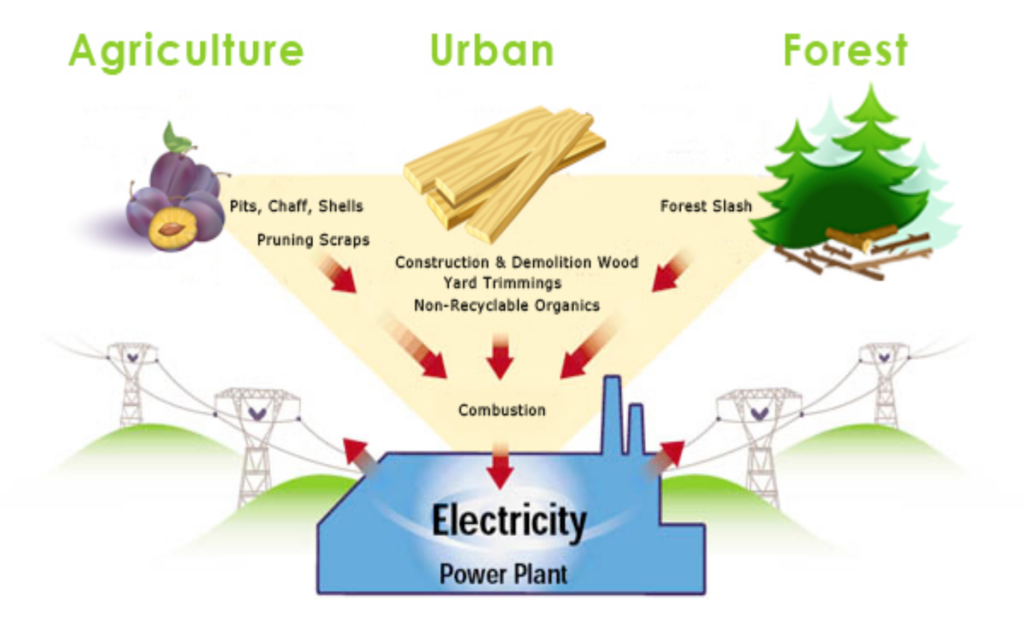
Biomass energy is a type of renewable energy produced from organic matter such as wood, agricultural waste, and wastewater. It’s a sustainable alternative to fossil fuels, as it can be sourced from renewable resources and produces significantly lower greenhouse gas emissions. Biomass energy can be used in various forms, including heat generation, electricity production, and biofuels.
The Borgosesia Biomass Plant: A Sustainable Solution for Italy
In 2012, the town of Borgosesia in the Italian region of Piedmont began working on a new biomass plant. The plant will utilize local biomass sources to generate electricity and heat, making it an innovative solution for reducing carbon emissions. The project involves a collaboration between local authorities and private companies, including UNCEM Piemonte, the Institute for Wood and Environmental Plants, and the Piedmont Region.
A Collaboration Between Local Authorities and Private Companies
The Borgosesia biomass plant is the result of a collaborative effort between several key stakeholders:
- UNCEM Piemonte: This organization played a crucial role in developing the project’s technical specifications.
- Institute for Wood and Environmental Plants: The institute provided expertise on sustainable forest management practices.
- Piedmont Region: The regional government supported the project financially and provided resources to facilitate its development.
Designing an Innovative Pirogassification System
The plant’s heart was designed by Pyrox Italia Srl, which transforms wood scraps into syngas. This syngas will be used to fuel a high-efficiency motor, connected to a generator that produces clean energy with minimal emissions. The goal is to contribute to Italy’s national objectives of increasing renewable energy production by 17% by 2020.
The Impacts of the Borgosesia Biomass Plant
By processing 8,000 tons of wood chips annually, the plant will generate:
- 850 kW of electricity: enough to power around 1,500 homes
- 1,100 kW of heat: sufficient for heating 1,800 apartments
In terms of energy production, the plant is expected to produce approximately 5.4 GWh per year.
Investment and Future Prospects
The estimated total investment required for the project is around €5 million. The plant’s completion will not only contribute to Italy’s renewable energy goals but also provide a sustainable solution for the region’s energy needs.
Key Statistics:
- Annual biomass processing capacity: 8,000 tons
- Electricity production: 850 kW
- Heat production: 1,100 kW
- Expected annual energy production: 5.4 GWh
- Total investment required: €5 million
In conclusion, the Borgosesia biomass plant is a significant step towards reducing carbon emissions and promoting sustainable energy production in Italy.
Frequently Asked Questions (FAQs)
Q1: What type of biomass will be used for power generation?
A1: The plant will utilize wood chips as its primary biomass source.
Q2: How much electricity will the plant produce annually?
A2: The plant is expected to generate approximately 850 kW of electricity per year.
Q3: Will the plant have any environmental impacts?
A3: While there may be some initial environmental concerns, the plant’s design and operation are intended to minimize its ecological footprint.
Q4: What is the estimated investment required for the project?
A4: The total investment required for the project is approximately €5 million.
Q5: How does the plant contribute to Italy’s national renewable energy objectives?
A5: The Borgosesia biomass plant will help Italy achieve its goal of increasing renewable energy production by 17% by 2020.
Q6: What type of heat will be produced by the plant?
A6: The plant is expected to produce 1,100 kW of heat per year.
Q7: Will the plant have any environmental benefits?
A7: Yes, the plant’s use of biomass as a renewable energy source will reduce greenhouse gas emissions and contribute to a cleaner environment.
Q8: How does the Borgosesia biomass plant fit into Italy’s broader energy landscape?
A8: The plant is an innovative solution that complements Italy’s transition towards a more sustainable energy future.
Conclusion
The Borgosesia biomass plant represents a groundbreaking approach to renewable energy production in Italy. By harnessing the power of biomass, this project not only reduces carbon emissions but also contributes to a more sustainable energy landscape. As the world continues to grapple with the challenges of climate change, innovative solutions like the Borgosesia biomass plant will play a vital role in shaping our future.
Recommendations for Future Development
Based on the success of the Borgosesia biomass plant, there are several recommendations for future development:
- Expand Biomass Energy Sources: Increasing the availability of biomass energy sources is crucial for reducing carbon emissions and promoting sustainable energy production.
- Invest in Research and Development: Continued investment in research and development will be essential for improving the efficiency and scalability of biomass energy technologies.
- Promote Public Awareness: Educating the public about the benefits of biomass energy can help build support for this innovative solution.
By following these recommendations, we can continue to move towards a more sustainable energy future and create a better world for generations to come.


