
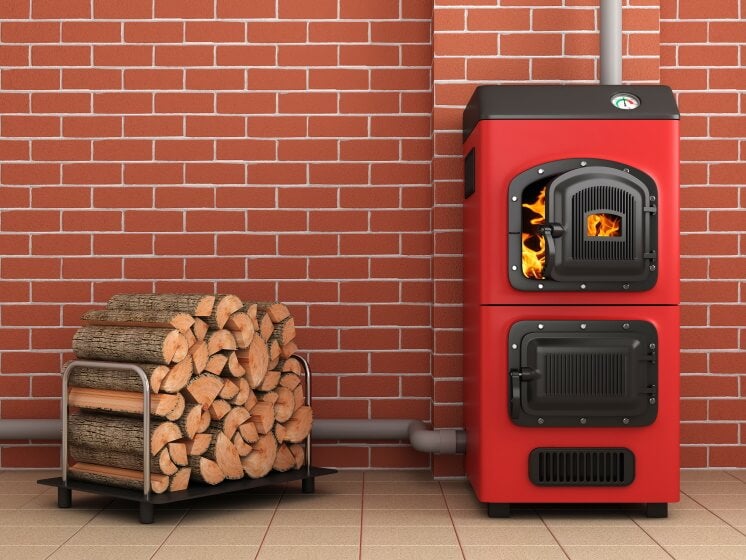
As we strive to reduce our carbon footprint and live a more sustainable lifestyle, the importance of choosing an eco-friendly heating solution cannot be overstated. One popular option is the biomass boiler, which burns organic materials like wood chips or pellets to produce heat. But what are the benefits and best options for your home?
Why Biomass Boilers?
Biomass boilers offer a sustainable alternative to traditional fossil fuels, producing significantly fewer greenhouse gas emissions. By burning organic materials from local sources, such as wood waste or agricultural by-products, biomass boilers can reduce carbon emissions by up to 90%. This makes them an attractive option for homeowners looking to minimize their environmental impact.
Understanding Biomass Boilers
Biomass boilers are categorized based on the type of fuel they burn. The three primary types are:
- Pellet Boilers: These boilers use compressed wood pellets as fuel, providing a high-efficiency and cost-effective solution.
- Chip Boilers: Chip boilers burn loose wood chips or logs, offering a more traditional heating experience.
- Log Boilers: Log boilers combust whole logs, often using a more manual feeding system.
Key Features to Consider
When selecting a biomass boiler, there are several factors to consider:
- Efficiency: Look for boilers with high efficiency ratings (above 80%) to minimize energy waste.
- Fuel Type: Choose a boiler that suits your fuel preferences, whether it’s pellets, chips, or logs.
- Sustainability: Opt for boilers made from sustainable materials and produced with environmentally friendly manufacturing processes.
Top Biomass Boiler Brands
Several reputable brands offer high-quality biomass boilers. Some notable options include:
- Com-Ind: Specializing in biomass boiler installation and maintenance, Com-Ind offers a range of pellet, chip, and log boilers.
- Almar: This brand provides specialized biomass boilers for specific industries, such as agriculture and hospitality.
Industrial Biomass Boilers
Biomass boilers are not limited to residential use; they can also be used in industrial settings. These larger systems often require more powerful burners and advanced control systems. Industrial biomass boilers can provide significant energy savings while reducing greenhouse gas emissions.
Benefits of Industrial Biomass Boilers
Industrial biomass boilers offer several benefits, including:
- Energy Savings: Industrial biomass boilers can reduce energy costs by up to 50%.
- Reduced Greenhouse Gas Emissions: By burning organic materials, industrial biomass boilers can reduce carbon emissions significantly.
- Diversified Energy Source: Industrial biomass boilers provide a reliable and sustainable source of energy.
Installation Considerations
When installing an industrial biomass boiler, it’s essential to consider the following factors:
- Fuel Storage: A dedicated fuel storage area is necessary for storing wood chips or pellets.
- Ash Handling: An efficient ash handling system is crucial to minimize waste and reduce maintenance costs.
- Ventilation: Proper ventilation is necessary to ensure safe operation and minimize emissions.
Maintenance Considerations
Regular maintenance is essential to ensure optimal performance and longevity of your biomass boiler. Consider the following factors:
- Cleaning: Regular cleaning of the boiler and fuel system is necessary to maintain efficiency and reduce waste.
- Inspection: Regular inspections of the boiler and fuel system can help identify potential issues before they become major problems.
- Repairs: Prompt repairs are essential to prevent damage to the boiler and surrounding equipment.
Conclusion
Choosing the right biomass boiler for your home or business requires careful consideration of factors like efficiency, fuel type, and sustainability. By selecting a high-quality boiler from a reputable manufacturer, you can enjoy a more eco-friendly heating solution while minimizing your environmental impact.
Frequently Asked Questions (FAQs)
1. What are the benefits of biomass boilers?
Biomass boilers offer significant reductions in greenhouse gas emissions, making them an attractive option for environmentally conscious homeowners and businesses.
2. How do I choose the right fuel type for my biomass boiler?
The type of fuel you choose will depend on your specific needs and preferences. Consider factors like efficiency, cost, and sustainability when selecting a fuel type.
3. What is the difference between pellet, chip, and log boilers?
Pellet boilers use compressed wood pellets as fuel, while chip boilers burn loose wood chips or logs. Log boilers combust whole logs using a more manual feeding system.
4. How do I maintain my biomass boiler?
Regular maintenance, such as cleaning and inspecting the boiler, is essential to ensure optimal performance and longevity.
5. Can biomass boilers be used in industrial settings?
Yes, biomass boilers can be used in industrial applications, providing significant energy savings while reducing greenhouse gas emissions.
Biomass Boiler Safety Considerations
Proper safety precautions are essential when operating a biomass boiler:
- Proper Installation: Ensure that the boiler is installed by a qualified professional to minimize risks of accidents.
- Regular Maintenance: Regular maintenance can help identify potential issues before they become major problems.
- Personal Protective Equipment: Always wear personal protective equipment, such as gloves and safety glasses, when handling fuels or performing maintenance tasks.
Biomass Boiler Environmental Impact
The environmental impact of biomass boilers is a significant consideration:
- Carbon Emissions: Biomass boilers can reduce carbon emissions significantly by burning organic materials.
- Air Pollution: Proper ventilation and combustion systems can minimize air pollution from biomass boilers.
- Water Usage: Biomass boilers typically require minimal water usage, reducing the risk of water pollution.
Cost Considerations
The cost of a biomass boiler is an essential consideration:
- Initial Cost: The initial cost of a biomass boiler can be significant, but long-term savings on energy costs can offset these expenses.
- Fuel Costs: Biomass boilers can reduce fuel costs by burning organic materials locally sourced.
- Maintenance Costs: Regular maintenance can help minimize costs associated with repairs and replacement.
Conclusion
Choosing the right biomass boiler for your home or business requires careful consideration of factors like efficiency, fuel type, and sustainability. By selecting a high-quality boiler from a reputable manufacturer, you can enjoy a more eco-friendly heating solution while minimizing your environmental impact.


