
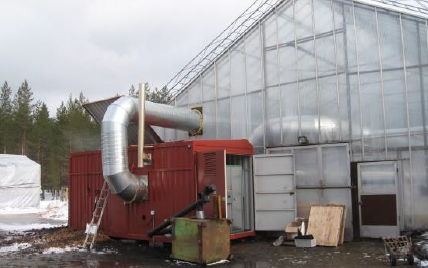
Are you wondering if a biomass fired boiler can help reduce your greenhouse heating costs by up to 60% compared to traditional fossil fuel-based systems? The answer is yes, as long as you compare it to an old gas oil system and a modern biomass-fired boiler.
But what about newer technologies like methane gas? While they may not offer the same level of savings, they are still worth considering for their environmental benefits. As we explore the world of greenhouse heating, let’s take a closer look at the advantages of biomass fired boilers and how they can benefit your business.
The State of Greenhouses in Italy
Italy is home to over 42,000 hectares of greenhouses, with most of them located in the northern regions. The need for heating these structures during the cold winter months is a significant challenge, especially since many areas are underutilized due to lack of methane gas infrastructure.
Traditionally, greenhouse growers rely on gas oil as their primary fuel source. However, with increasing concerns about climate change and air pollution, there is a growing interest in alternative energy sources like biomass.
Biomass Definitions and Qualification
To clarify the concept of biomass combustibles, we need to define what they are and how they can be qualified. According to Italian regulations, biomass combustibles include:
- Materials produced from dedicated agricultural crops
- Material produced through mechanical processing of non-agricultural crops
- Material produced through forestry practices and pruning
- Uncontaminated wood pellets or sawdust
- Mechanically processed agricultural products
These materials are widely available on the market, including dried wood chips, logs, and pellets.
Types of Biomass Fired Boilers
Biomass fired boilers come in various sizes and can be used for different applications. Here’s a breakdown of the most common types:
- Small-scale systems (kW): Suitable for single rooms or small units
- Medium-sized systems (kW): Ideal for larger homes or small commercial spaces
- Large-scale systems (MW): Used for industrial applications, network heating, and large commercial buildings
CO2 Emissions Comparison
When it comes to CO2 emissions, biomass-fired boilers have a relatively neutral balance. This is because the carbon dioxide released during combustion is equivalent to the amount of CO2 absorbed by plants during photosynthesis.
In contrast, traditional fossil fuels like coal, diesel, propane, and natural gas produce significantly higher CO2 emissions:
- Coal: 80-100 kg/MJ
- Diesel: 75 kg/MJ
- Propane: 65 kg/MJ
- Natural Gas: 58 kg/MJ
Economic Benefits
The economic benefits of switching to a biomass-fired boiler are substantial. Without incentives, the installation costs can be covered through energy savings, which can lead to a payback period of just five years.
To make this process even smoother, Energy Service Companies (ESCOs) can offer comprehensive solutions, including financing and maintenance services.
Conclusion
Biomass fired boilers offer an attractive solution for greenhouse heating, providing cost savings and reduced CO2 emissions. While newer technologies may not provide the same level of benefits, they still have their advantages. As we move forward in our quest for sustainability, it’s essential to consider all available options and explore ways to reduce our environmental footprint.
Frequently Asked Questions (FAQs)
- How do biomass fired boilers work?
- Biomass fired boilers burn organic materials like wood chips or pellets to produce heat.
- What are the benefits of using a biomass-fired boiler for greenhouse heating?
- Biomass fired boilers offer cost savings and reduced CO2 emissions compared to traditional fossil fuel-based systems.
- Can I use other types of biomass combustibles besides wood chips and pellets?
- Yes, other materials like agricultural waste, forestry residues, and municipal solid waste can be used as well.
- How long does it take for a biomass-fired boiler to pay for itself?
- The payback period varies depending on the system size, energy savings, and financing options.
- Can I get financing or maintenance services for my biomass-fired boiler through an ESCO?
- Yes, Energy Service Companies can offer comprehensive solutions, including financing and maintenance services.
- Are there any environmental benefits to using a biomass-fired boiler?
- Biomass fired boilers produce relatively neutral CO2 emissions compared to traditional fossil fuels.
- Can I use other types of fuel besides wood chips or pellets in my biomass-fired boiler?
- No, biomass fired boilers are designed to burn specific organic materials like wood chips or pellets.
- How can I ensure the quality and safety of my biomass fueled boiler?
- Regular maintenance, proper installation, and adherence to safety guidelines are essential for ensuring the quality and safety of your biomass fueled boiler.
In conclusion, a well-designed biomass fired boiler system offers numerous benefits, including cost savings, reduced CO2 emissions, and improved air quality. By considering the advantages and disadvantages of different technologies, greenhouse growers can make informed decisions that meet their specific needs while contributing to a more sustainable future.


