
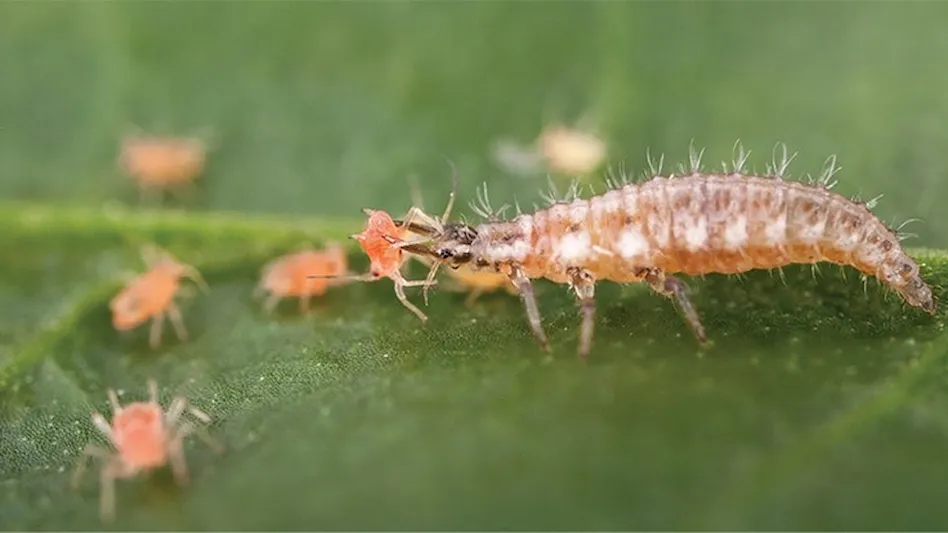
As we strive for a more sustainable approach to gardening and agriculture, organic pest control has become an essential aspect of our efforts. One of the most effective methods is the use of beneficial insects to combat pests. In this article, we’ll delve into the world of these tiny heroes and explore how they can be harnessed to create a balanced ecosystem.
Understanding Beneficial Insects
Beneficial insects are those that harm or kill pests, helping to maintain a healthy balance in our gardens and farms. They come in many forms, including ladybugs, lacewings, ground beetles, spiders, mites, and ants. These insects are often overlooked, but they play a crucial role in regulating pest populations and promoting biodiversity.
Beneficial insects can be categorized into several groups based on their feeding habits:
- Predators: Spiders, ground beetles, and ants that feed on other insects.
- Parasitoids: Wasps and flies that lay eggs inside the bodies of pests, where the larvae feed on them.
- Nematodes: Microscopic worms that attack and kill pest insects.
The Dark Side of Beneficial Insects
While beneficial insects may not be as charismatic as their pest-fighting counterparts, it’s essential to recognize that some of these insects can also cause problems. For example:
- Ladybugs can devour aphids, but they can also feed on beneficial insects like pollen and nectar.
- Spiders are skilled predators, but they can also become a nuisance if they spin webs in unwanted areas.
The Power of Small Insects
Despite their small size, beneficial insects have a significant impact on our ecosystems. Ladybugs, for instance:
- Can consume up to 60 aphids per hour, making them an effective natural pest control method.
- Are also capable of surviving without food and water for several days, allowing them to thrive in areas with limited resources.
Lacewings are equally impressive, feeding on aphids and other pests that harm crops. Even spiders play a vital role in controlling insect populations, using their webs to trap and devour unwanted insects.
Raising Beneficial Insects
Acquiring beneficial insects can be a straightforward process. Many garden centers and online retailers sell these tiny heroes, which can be released into the wild to start working immediately. To create a welcoming environment for beneficial insects:
- Provide food: Offer nectar-rich flowers, pollen, or sugary substances to support their growth.
- Offer shelter: Create habitats with rocks, twigs, and other materials that provide hiding places and protection from predators.
Using Beneficial Insects in Different Environments
Beneficial insects can be employed in various settings:
- Gardens: Introduce beneficial insects like ladybugs, lacewings, or ground beetles to control pest populations naturally.
- Greenhouses: Utilize spiders and other beneficial insects to maintain a balanced ecosystem within the greenhouse.
- Outdoor spaces: Encourage beneficial insects like ants, bees, and butterflies by creating habitats with plants and water sources.
Intelligent Pest Control with Nematodes
One of the most fascinating aspects of biological pest control is the use of nematodes. These microscopic worms attack and kill pest insects like:
- Grubs
- Caterpillars
- Whiteflies
Nematodes are highly specialized, targeting specific pests without disrupting the ecosystem. By using nematodes in conjunction with other beneficial insects, we can create a balanced and sustainable pest control strategy.
Creating a Balanced Ecosystem
To achieve a harmonious relationship between beneficial insects and pests:
- Monitor populations: Regularly check for signs of pests and adjust your strategy accordingly.
- Maintain habitat diversity: Encourage a variety of plants, flowers, and trees to support beneficial insect populations.
- Avoid over-reliance on chemicals: Gradually transition away from chemical pesticides and towards more sustainable methods like biological control.
Conclusion
The world of beneficial insects is vast and fascinating, offering us a range of natural solutions for pest control. By understanding their importance and incorporating them into our gardening and agricultural practices, we can create a more sustainable future. By embracing the power of beneficial insects, we can promote biodiversity, reduce our reliance on chemical pesticides, and cultivate a healthier relationship with nature.
Frequently Asked Questions
- How do I introduce beneficial insects into my garden?
Use online retailers or local nurseries to purchase beneficial insects, such as ladybugs or lacewings. Release them near areas with pests to start working immediately. - Can beneficial insects be used in greenhouses?
Yes, beneficial insects like spiders and ground beetles can be employed in greenhouse settings to control pest populations naturally. - How do I create a bug hotel for beneficial insects?
Use materials like bamboo, twigs, and straws to construct a habitat for beneficial insects, providing them with shelter and food. - What is the best way to use nematodes for pest control?
Nematodes should be used in conjunction with other beneficial insects to create a balanced and sustainable pest control strategy. - Can I release beneficial insects into my garden without harming them?
Yes, releasing beneficial insects near areas with pests can help control pest populations naturally. Ensure you provide adequate shelter and food for the insects. - How long do beneficial insects take to start working?
Beneficial insects typically start working within a few days of release, depending on factors like temperature, humidity, and availability of food sources. - Can I use beneficial insects to control pests in indoor spaces?
Yes, beneficial insects like ladybugs or lacewings can be employed in indoor settings to control pest populations naturally. - Are beneficial insects safe for human consumption?
No, beneficial insects should not be consumed as food, as they may carry diseases or parasites.
By embracing the power of beneficial insects, we can create a more sustainable and balanced ecosystem, promoting biodiversity and reducing our reliance on chemical pesticides.


