
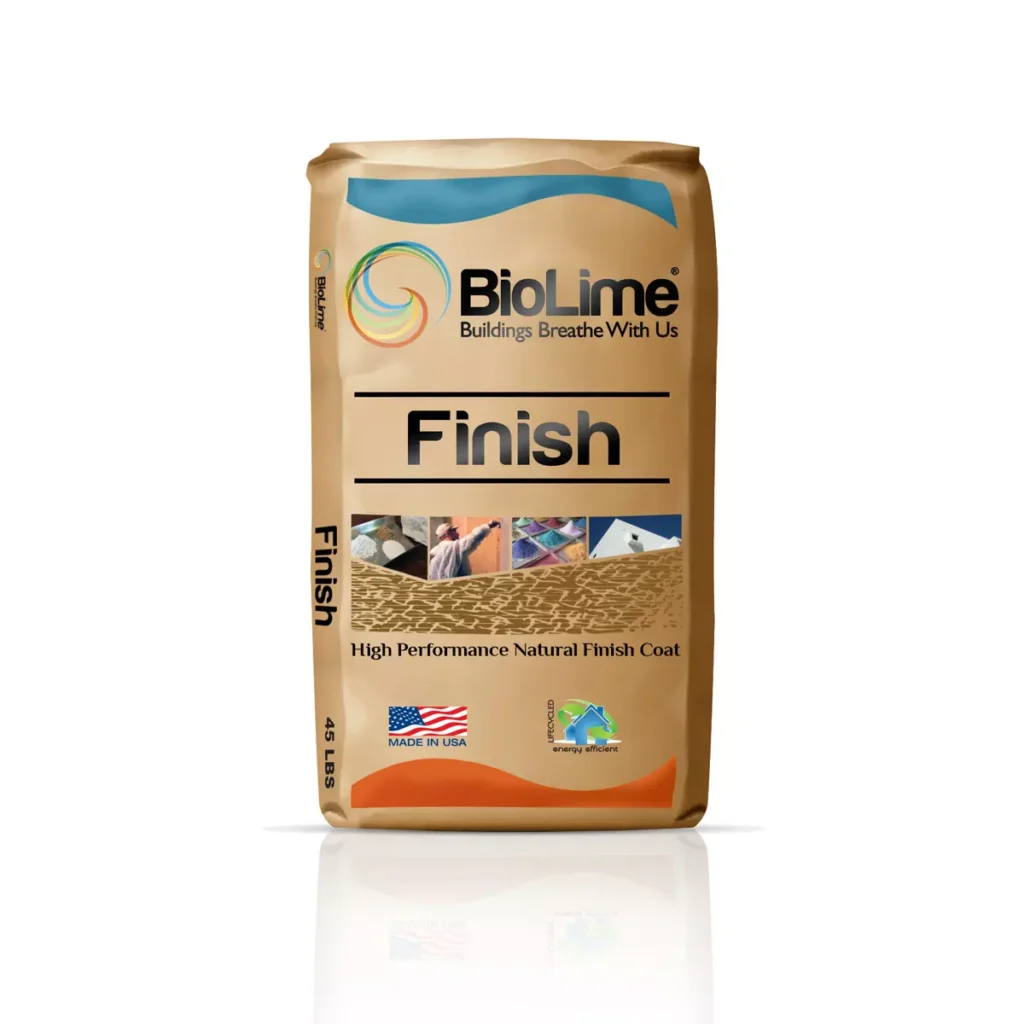
As we strive to create more sustainable and eco-friendly buildings, it’s essential to explore innovative materials that can help reduce our environmental footprint. One such material is bio lime, also known as biocalce intonachino, which has been gaining attention in recent years for its unique properties and benefits.
What is Bio Lime?
Bio lime is a type of natural plaster made from calcium-rich minerals, typically obtained from limestone or chalk deposits. Unlike traditional lime plasters, which are often derived from fossil fuels, bio lime is a sustainable alternative that reduces greenhouse gas emissions and promotes a healthier indoor environment.
The production process for bio lime involves heating the mineral-rich material to high temperatures, usually around 1000°C, to activate its binding properties. This process, combined with careful processing and grinding, results in a high-quality plaster that is not only environmentally friendly but also durable and long-lasting.
Benefits of Bio Lime
So, what makes bio lime so special? Here are some of the key benefits that make it an attractive choice for builders, architects, and homeowners:
- Water absorption: Bio lime is highly porous, which means it can absorb and release moisture from the air. This characteristic helps to regulate humidity levels within buildings, reducing the risk of mold and mildew growth.
- Natural disinfector: The high pH level of bio lime creates an environment that is inhospitable to bacteria, fungi, and other microorganisms. This property makes it an excellent choice for areas prone to dampness or moisture accumulation.
- Sustainable and recyclable: As a natural material, bio lime is biodegradable and can be easily recycled at the end of its life cycle. This reduces waste and minimizes the environmental impact of construction projects.
- Improved indoor air quality: By controlling humidity levels and regulating temperature fluctuations, bio lime helps to maintain a stable and healthy indoor environment. This, in turn, promotes better air quality, reduced allergen exposure, and improved overall well-being.
Types of Bio Lime
While bio lime is often used as a general-purpose plaster, there are different types available that cater to specific needs and applications:
- Bio lime pietra: A natural, stone-based version of bio lime that is highly prized for its durability and aesthetic appeal.
- Biocalce intonachino: A traditional type of bio lime that is made from pure calcium-rich minerals and undergoes a rigorous processing and grinding process to achieve optimal performance.
- Bio lime zinzaffo: A specialized type of bio lime designed specifically for rinzaffi (leveling) and aggrappaggio (adhesive) applications.
Cost and Availability
The cost of bio lime can vary depending on the supplier, location, and quality of the material. On average, 25 kg of bio lime intonachino can cost between €8 and €10. While this may seem expensive compared to traditional plaster alternatives, the long-term benefits and savings make it a worthwhile investment for environmentally conscious builders and homeowners.
Applications of Bio Lime
Bio lime is an incredibly versatile material that can be used in various applications, including:
- Wall coatings: Bio lime can be applied as a coating to walls, providing a natural barrier against moisture and humidity.
- Flooring: Bio lime can be used as a flooring material, offering a durable and aesthetically pleasing surface.
- Rinzaffi and aggrappaggio: Bio lime’s zinzaffo type is specifically designed for rinzaffi (leveling) and aggrappaggio (adhesive) applications.
Conclusion
Bio lime is a remarkable building material that offers a sustainable, eco-friendly alternative to traditional plasters. Its unique properties, such as high water absorption and natural disinfector capabilities, make it an excellent choice for regulating humidity levels, improving indoor air quality, and promoting a healthier indoor environment. As we continue to strive for sustainability in our built environment, bio lime is definitely worth exploring.
Frequently Asked Questions
- What are the benefits of using bio lime in building construction?
- Bio lime offers several benefits, including water absorption, natural disinfector capabilities, and sustainable and recyclable properties.
- How is bio lime produced?
- Bio lime is typically produced by heating mineral-rich materials to high temperatures, usually around 1000°C, to activate its binding properties.
- What types of bio lime are available?
- There are different types of bio lime available, including bio lime pietra, biocalce intonachino, and bio lime zinzaffo, each with specific characteristics and applications.
- How does the cost of bio lime compare to traditional plaster alternatives?
- The cost of bio lime can vary depending on the supplier, location, and quality of the material, but it is generally more expensive than traditional plaster alternatives.
- Can bio lime be used in areas prone to dampness or moisture accumulation?
- Yes, bio lime’s high porosity allows it to absorb and release moisture from the air, regulating humidity levels and reducing the risk of mold and mildew growth.
By understanding the benefits and applications of bio lime, builders, architects, and homeowners can make informed decisions about incorporating this sustainable building material into their projects.


