
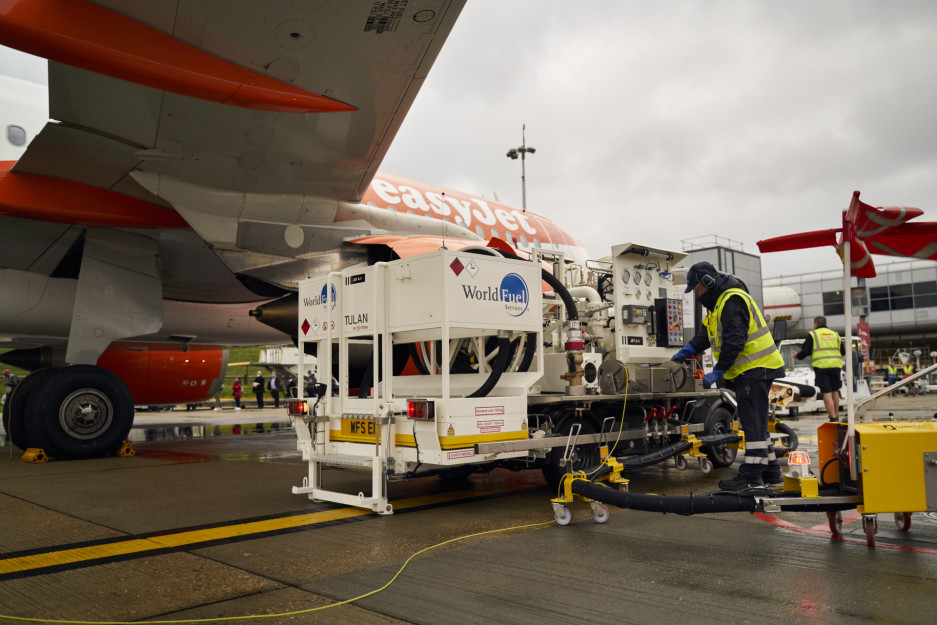
As the world continues to grapple with the challenges of climate change, alternative energy sources are becoming increasingly important. In the aviation industry, one area that has seen significant progress in recent years is the use of biofuels.
Biofuels are derived from biological matter, such as plants and algae, and have the potential to reduce greenhouse gas emissions and dependence on fossil fuels. However, until recently, their use in commercial aviation had been limited due to technical requirements.
2. The KLM’s Milestone: First Commercial Flight Powered by Biofuels
The KLM airline made history with its first commercial flight powered entirely by biofuels, flying from Amsterdam to Rio de Janeiro. This achievement marked a significant milestone in the development of sustainable aviation fuels.
For this historic flight, the KLM team opted for a unique blend of traditional kerosene and biofuels derived from used cooking oil. The 11-hour journey, which is one of the longest ever conducted with an aircraft powered by biofuels, demonstrated the potential of this technology.
3. The Science Behind Biofuels
Biofuels are made from biomass sources such as agricultural waste, algae, and waste materials like food waste or sewage sludge. These fuels can be used directly in conventional engines without requiring significant modifications.
One of the key benefits of biofuels is that they do not require substantial engine upgrades, making them an attractive option for the aviation industry. This reduces the need for costly retrofits and maintenance, allowing airlines to save on operational costs.
4. The KLM’s Partner: SkyNRG
The KLM’s successful flight was made possible through its partnership with SkyNRG, a consortium founded in 2009 by KLM, North Sea Group, and Spring Associates. This collaboration aimed to develop the production of sustainable aviation fuels.
SkyNRG has since become a global leader in biofuel production, supplying fuel to over 15 airlines worldwide.
5. The Benefits of Biofuels in Aviation
So why are biofuels becoming increasingly important in commercial aviation? One key benefit is that they can significantly reduce greenhouse gas emissions and dependence on fossil fuels.
By using biofuels, airlines can decrease their carbon footprint and contribute to a more sustainable future for air travel. Moreover, the use of biofuels aligns with the KLM’s commitment to reducing its environmental impact, as evidenced by its consecutive seven-year leadership in the Dow Jones Sustainability Index.
6. Challenges and Limitations
Despite these benefits, there are still challenges and limitations associated with the use of biofuels in aviation. One major issue is the high cost of production, which can make it difficult for airlines to adopt this technology on a large scale.
Additionally, the quality and consistency of biofuel can vary depending on the source material, which can impact its performance and efficiency.
7. The Future of Biofuels in Aviation
As the demand for sustainable aviation fuels continues to grow, so too will the development of new technologies and production methods. Researchers are working to improve the efficiency and affordability of biofuel production, making it more viable for airlines to adopt this technology.
In addition, there is growing interest from governments around the world in providing incentives and support for the use of sustainable aviation fuels. For example, the European Union has set targets for reducing greenhouse gas emissions from aviation, which could create a larger market for biofuels.
8. Industry Development: Partnerships and Collaborations
The development of biofuels in aviation is an industry-wide effort that requires collaboration and partnerships between airlines, manufacturers, and technology providers.
Several initiatives have been launched to promote the adoption of sustainable aviation fuels, including the Bio Fuels Association, which brings together industry stakeholders to develop standards and best practices for biofuel production and use.
9. The Role of Technology in Biofuel Development
Advances in technology are also playing a crucial role in the development of sustainable aviation fuels. For example, new technologies have been developed to improve the efficiency of biofuel production, such as microalgae-based systems that can produce fuel more quickly and at lower cost.
In addition, researchers are exploring new sources of biomass, such as agricultural waste and urban organic matter, which could provide a more sustainable and efficient source of feedstocks for biofuel production.
10. Government Support: Incentives and Policies
Government support is also critical to the development of sustainable aviation fuels. Many governments around the world have set targets for reducing greenhouse gas emissions from aviation, and are providing incentives and policies to encourage the use of sustainable aviation fuels.
For example, the United States has established a program to provide tax credits and other incentives to airlines that adopt sustainable aviation fuels. Similarly, the European Union has introduced measures to support the development of sustainable aviation fuels, such as subsidies for biofuel production and research grants for innovation.
11. The Benefits for Airlines
The use of sustainable aviation fuels can also offer significant benefits to airlines in terms of reduced operating costs and improved environmental performance.
By reducing their dependence on fossil fuels, airlines can decrease their fuel bills and improve their bottom line. Additionally, the use of biofuels aligns with many airlines’ sustainability strategies, which can help to enhance their brand reputation and appeal to environmentally-conscious customers.
12. Challenges in Scaling Up Biofuel Production
One of the main challenges facing the development of sustainable aviation fuels is scaling up production to meet demand from the airline industry. This requires significant investment in new infrastructure and technology, as well as partnerships with suppliers and other stakeholders.
However, there are also opportunities for innovation and disruption in this area, such as the use of advanced technologies like 3D printing and biotechnology to improve efficiency and reduce costs.
13. Biofuels and Sustainability: A New Era for Aviation
The rise of biofuels in commercial aviation represents a significant step forward in reducing greenhouse gas emissions and promoting sustainability. As the demand for sustainable fuels continues to grow, we can expect to see increased adoption of this technology and a reduction in its environmental impact.
In conclusion, the use of biofuels in commercial aviation is an important area of development that requires continued investment and innovation. However, with government support, industry partnerships, and technological advancements, there is significant potential for growth and improvement in the coming years.
14. Frequently Asked Questions
- Q: What is biofuel?
A: Biofuel is a type of fuel derived from biological matter, such as plants and algae. - Q: How does biofuel work in aircraft engines?
A: Biofuels can be used directly in conventional engines without requiring significant modifications. - Q: Why are biofuels important in aviation?
A: Biofuels offer a sustainable alternative to traditional fossil fuels, reducing greenhouse gas emissions and dependence on finite resources. - Q: How does SkyNRG produce biofuel?
A: SkyNRG produces biofuel from used cooking oil through a proprietary process. - Q: What are the challenges associated with using biofuels in aviation?
A: High production costs, quality and consistency issues, and infrastructure limitations are some of the key challenges facing the adoption of biofuels in commercial aviation. - Q: How can airlines reduce their environmental impact by using biofuels?
A: By reducing greenhouse gas emissions and dependence on fossil fuels, airlines can contribute to a more sustainable future for air travel. - Q: What is the KLM’s role in promoting sustainability in aviation?
A: The KLM has consistently demonstrated its commitment to sustainability through its adoption of biofuels and leadership in the Dow Jones Sustainability Index. - Q: What does the future hold for biofuels in aviation?
A: As demand for sustainable fuels continues to grow, we can expect significant advancements in production technology, reducing costs and improving efficiency.
15. Conclusion
In conclusion, the rise of biofuels in commercial aviation represents a significant step forward in reducing greenhouse gas emissions and promoting sustainability. With government support, industry partnerships, and technological advancements, there is significant potential for growth and improvement in the coming years.
As the world continues to grapple with the challenges of climate change, alternative energy sources like biofuels are becoming increasingly important. By adopting sustainable aviation fuels, airlines can contribute to a more sustainable future for air travel, while reducing their dependence on fossil fuels and greenhouse gas emissions.


