
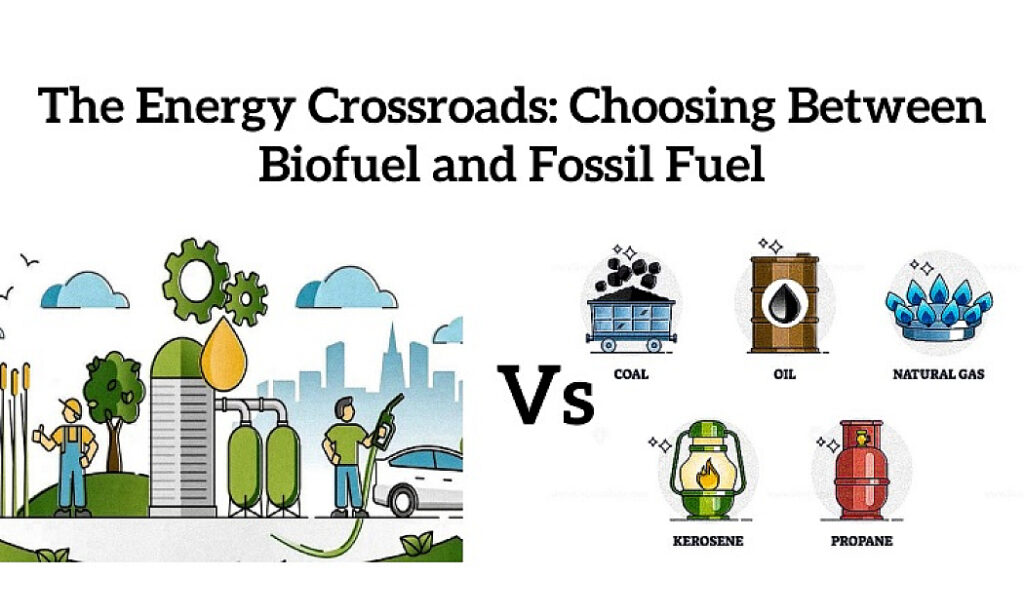
Understanding the Controversy
The debate between progress and environmental sustainability continues to dominate headlines. This time, it’s biofuels that are under scrutiny. The Swiss Federal Laboratory for Materials Science and Technology (EMPA) has brought attention to the controversy, claiming that biofuels are not as green as they seem.
For years, biofuels have been touted as a cleaner alternative to fossil fuels. They’re made from organic materials such as plants, algae, and agricultural waste, which are converted into fuel for vehicles, heating systems, and other applications. However, as the demand for sustainable energy solutions has grown, so too have concerns about the environmental impact of biofuels.
A Closer Look at Biofuels
When examining the entire lifecycle of biofuels, we find that their environmental impact is comparable to that of gasoline. It’s a common misconception that all biocombustibles are eco-friendly. However, only certain types have proven to be sustainable. The production and use of biofuels come with numerous problems.
For instance, ethanol-based biofuels can lead to the depletion of soil nutrients and water resources. Additionally, the cultivation of biomass crops for biofuel production can contribute to deforestation and habitat loss. Biogas, on the other hand, can produce nitrogen oxides and particulate matter during combustion, which can have negative effects on human health.
The Dark Side of Biofuels
One major issue is the combustion process, which releases carbon dioxide emissions. Additionally, fertilizers used in agriculture contribute to nitrogen emissions, polluting waterways, soil, and wasting precious water resources. The examples are endless – from biokerosene to biogas, which boasts a 50% lower environmental impact than gasoline.
Another concern is the land-use changes associated with large-scale biofuel production. Deforestation and habitat loss can lead to biodiversity decline, while the displacement of communities can have severe social consequences.
Evaluating the Evidence
Some biofuels, like those derived from ethanol (using corn as the primary ingredient), have a better environmental balance compared to fossil fuels. Conversely, others, such as palm oil and soybean-derived biofuels, are often found to be more polluting than traditional fossil fuels. The latter’s impact is comparable to that of coal.
The Consequences of Biofuel Production
In the worst-case scenario, deforestation can occur on a massive scale to produce biofuels. These fuels, in turn, release significant greenhouse gas emissions and contribute to pollution. Furthermore, land grabbing becomes a major issue, as large areas are dedicated to biofuel production at the expense of other sectors.
For example, Indonesia’s palm oil plantations have been linked to widespread deforestation and habitat loss, while the soybean industry has been accused of contributing to water pollution in Brazil. These issues highlight the need for careful evaluation and regulation of biofuel production and use.
The EMPA’s Stance
While the EMPA researchers aren’t opposed to the spread of biofuels, they emphasize the need for careful evaluations. This means considering factors such as environmental impact, social responsibility, and economic viability.
In their report, the EMPA notes that “biofuels are not a silver bullet solution” and that “their production and use must be carefully evaluated to ensure that they do not contribute to environmental degradation or social injustice.”
Conclusion: The Biofuel Debate Continues
As we move forward, it’s essential to have a nuanced understanding of the complex issues surrounding biofuels. By examining the data and weighing the pros and cons, we can make informed decisions about our energy choices.
Ultimately, the future of energy production will depend on our ability to balance environmental sustainability with economic viability. This requires a multifaceted approach that takes into account both short-term and long-term implications.
Frequently Asked Questions (FAQs)
- What is the primary environmental concern with biofuels?
Biofuels are often criticized for their high production costs, which lead to deforestation and land degradation. - How do biocombustibles compare to fossil fuels in terms of greenhouse gas emissions?
Biocombustibles can have a similar or even lower environmental impact compared to fossil fuels, depending on the type and source used. - Are all types of biofuels equally sustainable?
No, only certain types of biofuels have been proven to be truly sustainable, while others may contribute to environmental degradation. - Can biofuels help reduce greenhouse gas emissions?
Yes, biofuels can play a role in reducing GHG emissions if produced sustainably and used efficiently. - What are the social implications of large-scale biofuel production?
Large-scale biofuel production can lead to land grabbing, displacement of communities, and social unrest. - How do we balance environmental sustainability with economic viability?
A balanced approach is necessary, taking into account both environmental and economic factors when making decisions about energy choices. - Can biofuels replace fossil fuels entirely?
While biofuels have the potential to contribute significantly to a low-carbon future, they cannot replace fossil fuels entirely in the short term. - What role should policy play in regulating biofuel production and use?
Policy can play a crucial role in ensuring that biofuel production is sustainable, equitable, and aligned with environmental goals.
By understanding the complexities of the biofuel debate, we can work towards a more sustainable energy future. This requires careful evaluation, regulation, and coordination among governments, industries, and civil society organizations.
The Way Forward
To ensure that biofuels play a positive role in our transition to a low-carbon economy, we need to adopt a range of strategies:
- Support sustainable agriculture: Encourage practices like agroforestry, conservation agriculture, and organic farming.
- Promote efficient use: Implement policies to reduce energy consumption and increase the efficiency of biofuel production and use.
- Invest in research and development: Fund research into new technologies and feedstocks that can improve the sustainability of biofuels.
- Foster international cooperation: Collaborate with other countries to share best practices, reduce conflicts over land use, and promote sustainable biofuel production.
By taking a comprehensive approach to the biofuel debate, we can unlock the full potential of this technology while minimizing its negative impacts on the environment and society.
Biofuels: A Complex Issue
The debate surrounding biofuels is complex and multifaceted. While they offer promise as a cleaner alternative to fossil fuels, their production and use come with significant environmental and social implications.
To navigate this complex landscape, we need to consider multiple perspectives and weigh the pros and cons of biofuel production and use. This requires careful evaluation, regulation, and coordination among governments, industries, and civil society organizations.
By taking a nuanced approach to the biofuel debate, we can work towards a more sustainable energy future that balances environmental sustainability with economic viability.
Ultimately, the key to unlocking the full potential of biofuels lies in adopting a multifaceted approach that takes into account both short-term and long-term implications. This requires careful consideration of factors such as environmental impact, social responsibility, and economic viability.
By working together, we can create a future where biofuels play a positive role in reducing greenhouse gas emissions and promoting sustainable development.


