
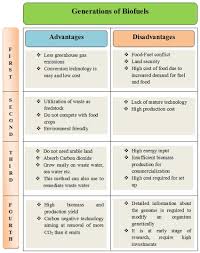
When we discuss biofuels, we’re referring to a wide variety of complex molecular compounds that are derived from organic matter. These fuels can be categorized into four main groups: those produced through sugar fermentation, such as ethanol and methyl tert-butyl ether (MTBE); those derived from vegetable oils, like biodiesel; those produced through anaerobic digestion, known as biogas; and those created from lignocellulosic biomass, including dimethyl ether and FT-diesel.
The Biogas Conundrum: Environmental, Social, and Economic Concerns
Biogas is just one type of biofuel that has sparked intense debate. The question on everyone’s mind is:
Will the land used for biofuel production come at the expense of food crops?
Is it ethically sound to engage in large-scale land grabs for biofuel production?
Will the rise of biofuels drive up food prices?
Is biogas really a more sustainable alternative to fossil fuels?
These are just a few of the questions surrounding the production and use of biofuels. As we delve deeper into the world of biofuels, it’s essential to consider the complex interplay between environmental, social, and economic factors.
The Environmental Impact of Biofuel Production
The cultivation of crops like corn for biofuel production has far-reaching consequences. Not only does it lead to soil degradation and deforestation, but it also relies heavily on synthetic fertilizers and water resources. The large-scale monoculture of corn also disrupts the natural rotation of crops, leading to a loss of biodiversity.
Furthermore, the use of biofuels can contribute to greenhouse gas emissions, particularly when produced from feedstocks that are not sustainably sourced. For example, studies have shown that soybean-based biodiesel production in Brazil has led to significant deforestation and habitat destruction. Similarly, sugarcane-based ethanol production in the United States has resulted in water pollution and soil degradation.
Lest We Forget: The Historical Context
The story of biofuels is not new. In the 19th century, scientists began exploring ways to convert plant matter into fuels. However, it wasn’t until the 2000s that the production and use of biofuels gained widespread attention. Today, we’re faced with a complex web of issues, from land grabs to environmental degradation.
The development of biofuels has been driven by concerns about climate change, energy security, and national sovereignty. In the early 2000s, the Bush administration launched the Energy Policy Act, which included provisions for the production and use of biofuels. The act provided tax incentives and funding for biofuel research and development, leading to a surge in investment and infrastructure development.
The Benefits of Biofuel Production
Despite the challenges, there are some compelling benefits to biofuel production:
- Reduced dependence on fossil fuels: Biofuels offer a promising alternative to traditional fossil fuels, which are finite resources that contribute to climate change.
- Decentralization of production to eliminate monopolies and price manipulation: By promoting local production and distribution, biofuels can help level the playing field for small-scale farmers and rural communities.
- Utilization of underutilized or abandoned agricultural lands: Biofuel crops like switchgrass and miscanthus can thrive in areas where traditional agriculture is not feasible, helping to restore degraded land and promote sustainable agriculture practices.
Some studies suggest that up to 20,000 square kilometers of land in Italy are currently being used for biofuel production. This raises important questions about the impact on food security and the environment.
The Role of Innovation
To make biofuels a truly sustainable option, it’s essential to adopt innovative approaches to production and distribution. This includes:
- Developing more efficient technologies that reduce waste and emissions: Advances in biotechnology and engineering can help optimize biofuel production processes, reducing energy consumption and greenhouse gas emissions.
- Investing in research and development to create new, more environmentally friendly fuels: Scientists are working on developing new biofuels with improved properties, such as higher energy density and lower costs.
- Encouraging decentralized production models that promote local economies: By supporting local production and distribution networks, we can help build more resilient and sustainable communities.
The Bottom Line: A Sustainable Future for Biofuels
To ensure that biofuels are a net positive for the environment, we need to adopt sustainable practices. This includes:
- Implementing strict limits on production and resource usage: Governments must establish clear regulations and standards for biofuel production, ensuring that it is done in an environmentally responsible manner.
- Promoting environmentally friendly technologies and production methods: By investing in research and development, we can create more efficient and sustainable biofuel production processes.
- Encouraging transparency and accountability in the supply chain: By tracking the origin of feedstocks and monitoring greenhouse gas emissions, we can hold producers accountable for their environmental impacts.
Frequently Asked Questions
Q: What is the main concern surrounding large-scale biofuel production?
A: The potential impact on food security and environmental degradation.
Q: Can biofuels really reduce our dependence on fossil fuels?
A: Yes, but only if produced and used sustainably.
Q: How do biofuels compare to traditional fossil fuels in terms of sustainability?
A: While biofuels have the potential to be more sustainable, it depends on factors like production methods and resource usage.
Q: Can biofuel production create jobs in rural areas?
A: Yes, but only if implemented responsibly and with a focus on local economies.
Q: What role can technology play in making biofuels more sustainable?
A: By developing more efficient technologies that reduce waste and emissions.
Q: How can we ensure that biofuels are produced and used in an environmentally responsible manner?
A: By implementing strict limits on production, promoting sustainability, and encouraging transparency in the supply chain.
Case Studies
- Brazil’s Soybean-Based Biodiesel Production: In Brazil, soybean-based biodiesel production has led to significant deforestation and habitat destruction. The country’s large-scale agricultural industry has resulted in widespread clearing of forests for soybean cultivation, contributing to greenhouse gas emissions and biodiversity loss.
- The United States’ Sugarcane-Based Ethanol Production: In the United States, sugarcane-based ethanol production has been linked to water pollution and soil degradation. The use of synthetic fertilizers and pesticides in sugarcane fields has led to contamination of water sources and soil nutrient depletion.
- Italy’s Biofuel Production: Italy’s biofuel production is primarily based on wheat straw and olive oil. While these feedstocks have a lower environmental impact than corn or soybeans, the country’s large-scale biofuel production still raises concerns about food security and resource usage.
Conclusion
Biofuels are a complex and multifaceted issue that requires careful consideration of environmental, social, and economic factors. While they offer promise as a sustainable alternative to fossil fuels, the risks associated with their production and use cannot be ignored.
To ensure that biofuels play a net positive role in reducing our reliance on fossil fuels, we must adopt innovative approaches to production and distribution. This includes investing in research and development, promoting decentralized production models, and encouraging transparency and accountability in the supply chain.
Ultimately, a sustainable future for biofuels requires a comprehensive approach that balances economic growth with environmental protection and social responsibility. By working together to address these challenges, we can create a more resilient and sustainable energy system for generations to come.



