
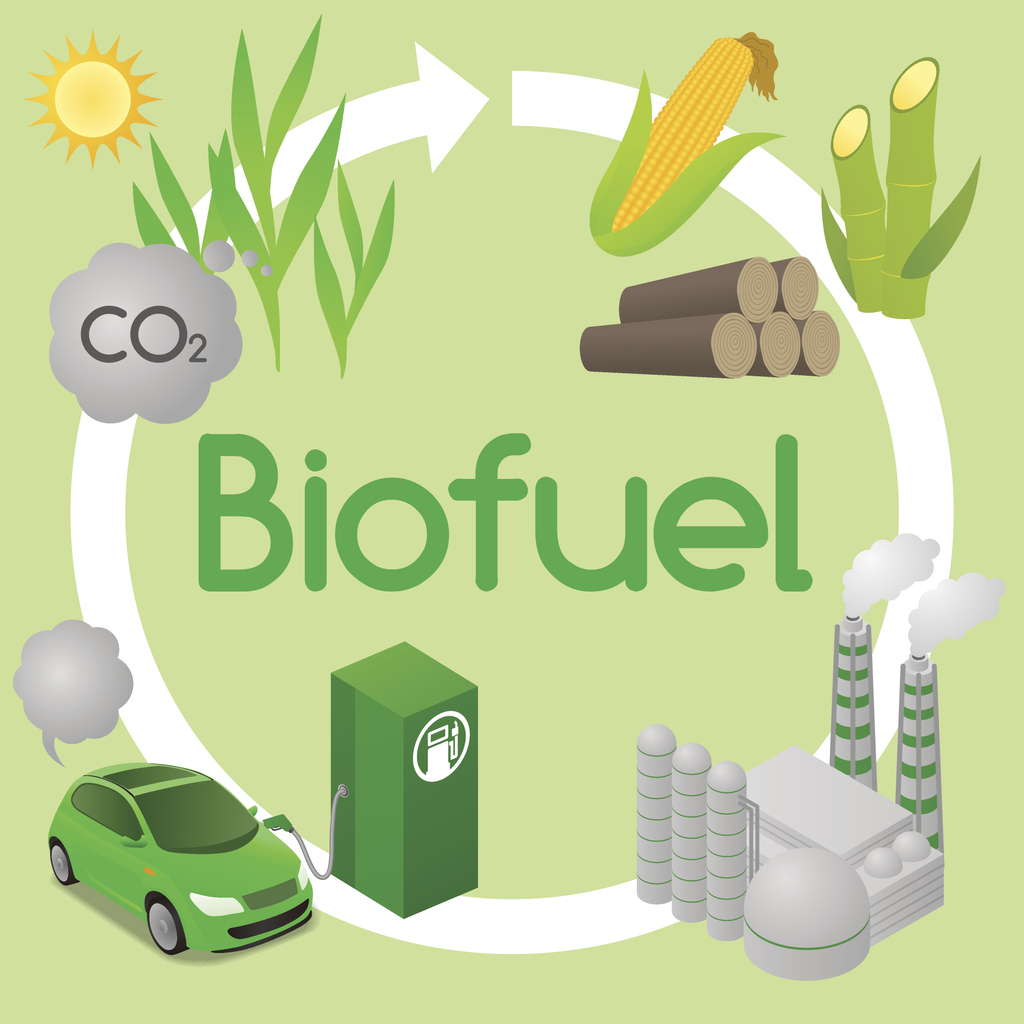
What is Bioethanol?
Bioethanol is one of the biofuels derived from the fermentation of sugars. It’s a highly volatile and extremely flammable compound with the formula “CH3CH2OH”. Not all ethanol can be considered bio, as it can also be obtained from non-renewable sources, such as petroleum derivatives.
The term “bio” in bioethanol refers to the process of microbial fermentation, where microorganisms like yeast or bacteria convert sugars into ethanol. This process is a crucial step in the production of bioethanol, and it’s essential to ensure that all ethanol produced comes from renewable sources.
Can Bioethanol be Used in Cars?
Yes, bioethanol can be used as a fuel for cars! While not widely commercialized in Italy, the FIAT produces vehicles with flex fuel engines that can run on bioethanol.
In many countries around the world, bioethanol is sold in blends such as E85 (85% bioethanol and 15% gasoline) or E10 (10% bioethanol and 90% gasoline). These blends can be used in modern cars with electronic fuel injection systems. However, it’s essential to note that bioethanol must always be blended with a lubricating gasoline.
Using bioethanol as a fuel has several benefits, including reduced greenhouse gas emissions from transportation sources. Bioethanol is considered a cleaner-burning fuel than gasoline due to its lower carbon content. This makes it an attractive alternative for vehicles that can run on both traditional gasoline and bioethanol blends.
How is Bioethanol Produced?
Bioethanol can be produced through two methods: fermentation of sugarcane solutions or other processes involving ethylene and water reactions.
If we exclude the derivation from non-renewable sources (petroleum derivatives), the only viable method left is fermentation. Therefore, the product “bio” refers to this process.
The three-phase process of bioethanol production involves:
- Melasse Preparation: Sugarcane solutions are treated with enzymes and fermented.
- Fermentation Phase: The sugarcane solution is converted into ethanol through microbial fermentation.
- Distillation Phase: Ethanol is separated from water residues through distillation.
What Substances Can be Used to Produce Bioethanol?
The production of bioethanol can utilize various starting materials, such as:
- Sugarcane
- Barley
- Sorghum
- Wine byproducts
- Biomass residues (e.g., bagasse)
However, using biomass residues like straw or wood chips is not economically viable due to the need for aggressive hydrolysis mechanisms. This can inhibit enzyme action and fermentation.
The use of sugarcane as a starting material makes the process much simpler. To extract sugars from vegetal components, only water-tinged heat treatment is required.
New Technologies for More Efficient Bioethanol Production
Large corporations are exploring ways to make bioethanol production more convenient by using various types of biomass waste materials.
While bioethanol is not the only biocarburant that can be produced through fermentation processes, a wide range of other biocombustibles can also be synthesized using these methods. One example is the biodiesel.
Advantages and Challenges of Bioethanol Production
Bioethanol production has several advantages, including:
- Reduced greenhouse gas emissions from transportation sources
- Lower dependence on fossil fuels
- Potential for energy self-sufficiency
However, there are also challenges associated with bioethanol production, such as:
- Higher cost compared to traditional gasoline
- Limited availability of feedstock materials
- Potential land use changes or displacement of existing agricultural practices
Conclusion
Bioethanol has become an increasingly important source of renewable energy due to its potential for reducing greenhouse gas emissions from transportation sources.
By producing bioethanol from sugarcane and other biomass waste materials, we can potentially alleviate some of the negative impacts associated with fossil fuel extraction and use.
As technology continues to advance, we may see more efficient and cost-effective methods for producing bioethanol. This could lead to wider adoption and increased utilization of this renewable energy source.
Frequently Asked Questions (FAQs)
Q: Is bioethanol a clean-burning fuel?
A: Yes, bioethanol is considered a cleaner-burning fuel than gasoline due to its lower carbon content.
Q: Can any car run on bioethanol?
A: Most modern cars can run on bioethanol blends, but it’s essential to check the manufacturer’s recommendations for specific models and engines.
Q: How does bioethanol compare to traditional gasoline in terms of energy content?
A: Bioethanol contains approximately 40% less energy per unit volume than gasoline due to its lower calorific value.
Q: Can I produce my own bioethanol at home?
A: Home production of bioethanol is not feasible for individuals due to the complexity and safety concerns associated with large-scale fermentation processes.
Q: Are there any potential environmental impacts associated with bioethanol production?
A: While bioethanol production can have a lower carbon footprint compared to traditional gasoline, it also requires significant amounts of water and may lead to land use changes or displacement of existing agricultural practices.
Q: Can I get my car filled up with pure bioethanol?
A: Typically, you cannot fill up your car with pure bioethanol as most gas stations only offer blended bioethanol fuels (E10 or E85).
Q: Is the future of transportation based on bioethanol?
A: While bioethanol has shown promise as a cleaner-burning alternative to traditional gasoline, its long-term viability depends on various factors such as technological advancements in fermentation processes, market demand, and overall energy policy.
Q: Can I use bioethanol to power other vehicles besides cars?
A: Yes, bioethanol can be used to fuel smaller engines like lawn mowers, chain saws, and some industrial equipment.


