
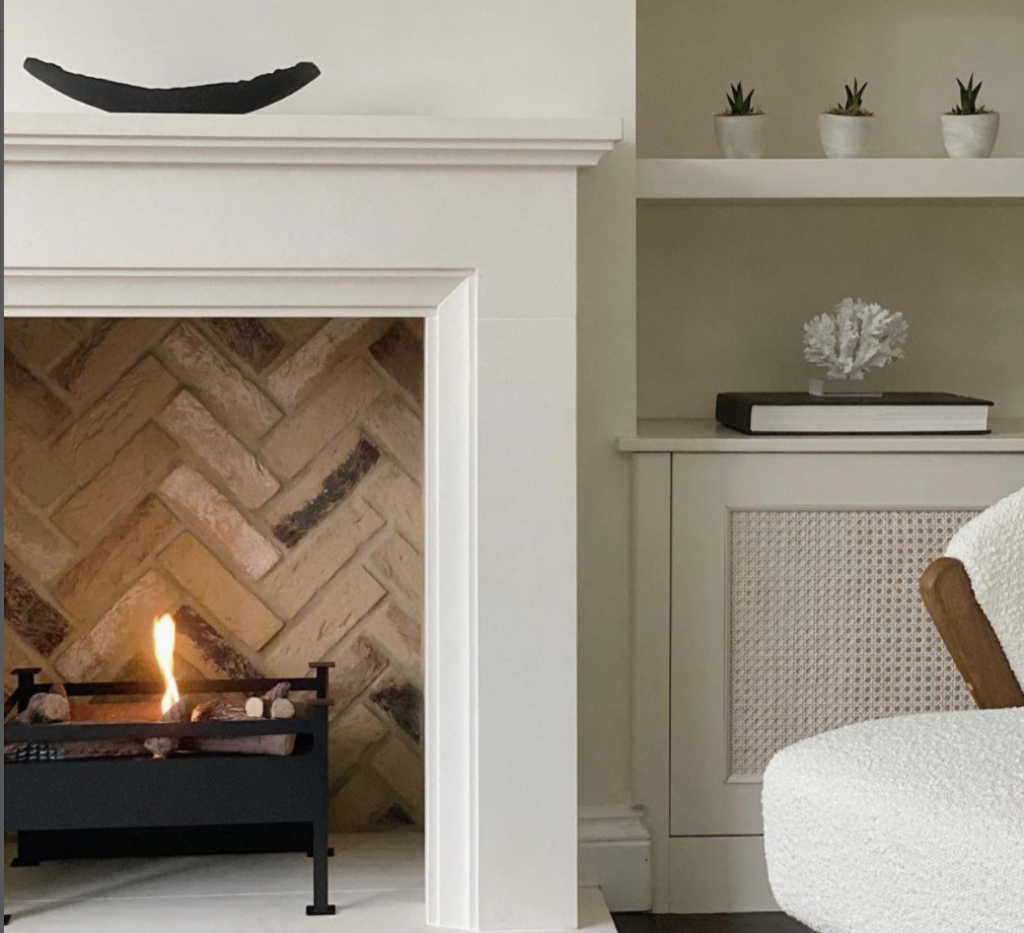
As the world shifts towards more sustainable energy sources, bioethanol stoves have become a popular choice for homeowners looking to reduce their carbon footprint. But what are the advantages and disadvantages of using these stoves? In this article, we will explore the benefits and drawbacks of bioethanol stoves, including the types of fuel used, cost, environmental impact, design and aesthetics, heat distribution, installation challenges, and more.
What is Bioethanol?
Before we dive into the benefits and drawbacks, let’s take a look at what bioethanol is. Bioethanol is a type of fuel made from plant-based materials such as corn, sugarcane, or switchgrass. It’s a renewable energy source that’s produced through fermentation processes. The process involves converting sugars from these plant-based materials into ethanol, which can be used as a biofuel.
The Smell of Bioethanol
One of the most common concerns about bioethanol stoves is the smell they can produce during combustion. The good news is that this smell is not unique to bioethanol and can be caused by other factors as well. If you notice a strange odor coming from your stove, it’s likely due to impurities in the fuel rather than the stove itself.
The Cost of Bioethanol
Bioethanol is an affordable option for homeowners looking to reduce their energy bills. The cost of bioethanol varies depending on the region and supplier, but on average, it costs between €2.80 and €4.80 per liter. Some popular brands like EcoFlame offer a high-quality, odorless fuel that’s perfect for stoves.
Benefits of Bioethanol Stoves
So what are the benefits of using bioethanol stoves? Here are just a few:
- Environmental Benefits: Bioethanol is a renewable energy source that produces fewer greenhouse gas emissions than traditional fossil fuels. This makes it an attractive option for homeowners looking to reduce their carbon footprint.
- Affordability: Bioethanol is an affordable option for homeowners looking to reduce their energy bills. The cost of bioethanol varies depending on the region and supplier, but on average, it costs between €2.80 and €4.80 per liter.
- Design and Aesthetics: Bioethanol stoves come in a range of designs and can be installed both indoors and outdoors, making them perfect for creating a cozy atmosphere.
Disadvantages of Bioethanol Stoves
While bioethanol stoves have many benefits, there are some disadvantages to consider:
- Limited Heat Distribution: Bioethanol stoves can only heat a single room or area, which means you may need multiple stoves to heat your entire home.
- Installation Challenges: Installing a bioethanol stove can be more difficult than installing a traditional heating system.
Stove vs. Stove: Pellet vs. Bioethanol
When it comes to choosing between a pellet stove and a bioethanol stove, there are some key differences to consider:
- Heat Output: Pellet stoves tend to produce more heat than bioethanol stoves.
- Design and Aesthetics: Pellet stoves often have a more industrial design compared to bioethanol stoves.
Stove Quality: What to Look For
When shopping for a stove, there are some key factors to consider:
- Fuel Quality: Look for stoves that use high-quality fuel that’s produced from renewable energy sources.
- Design and Aesthetics: Choose a stove that fits your style and decor.
- Price: Compare prices from different suppliers to find the best value.
FAQs
Here are some frequently asked questions about bioethanol stoves:
Q: How do I choose the right fuel for my stove?
A: Look for fuels that are produced from renewable energy sources and have a high-quality rating.
Q: What is the average cost of bioethanol per liter?
A: The average cost of bioethanol in Italy is between €2.80 and €4.80 per liter.
Q: Can I use bioethanol stoves outdoors?
A: Yes, many bioethanol stoves can be installed both indoors and outdoors, making them perfect for creating a cozy atmosphere in your garden or patio.
Q: Are bioethanol stoves eco-friendly?
A: Yes, bioethanol stoves produce fewer greenhouse gas emissions than traditional fossil fuels and are made from renewable energy sources.
Q: Can I install a bioethanol stove myself?
A: It’s recommended to hire a professional installer for safety and efficiency reasons.
Stove Safety Precautions
To ensure your safety when using a bioethanol stove, here are some precautions to take:
- Follow the manufacturer’s instructions: Always follow the manufacturer’s instructions for installation, use, and maintenance.
- Keep children away: Keep children and pets away from the stove at all times.
- Use protective gear: Wear protective gear such as gloves and goggles when handling fuel or performing maintenance tasks.
Stove Maintenance
Regular maintenance is essential to ensure your bioethanol stove runs efficiently and safely. Here are some tips:
- Clean the stove regularly: Clean the stove regularly to prevent buildup of soot and debris.
- Check for leaks: Check for leaks in the fuel line and other parts of the stove to prevent accidents.
- Replace worn-out parts: Replace worn-out parts such as filters and seals to ensure optimal performance.
Conclusion
Bioethanol stoves are a popular choice for homeowners looking to reduce their carbon footprint. While they have many benefits, there are also some disadvantages to consider. By following the tips outlined in this article, you can make informed decisions about using bioethanol stoves and enjoy a safe and efficient heating experience.
In conclusion, bioethanol stoves offer numerous benefits including environmental sustainability, affordability, and design aesthetics. However, they may have limitations such as limited heat distribution and installation challenges. To ensure your safety when using a bioethanol stove, follow the manufacturer’s instructions, keep children away, use protective gear, and perform regular maintenance tasks. By doing so, you can enjoy a warm and cozy home while reducing your carbon footprint.
Recommendations
Based on our research, here are some recommendations for homeowners considering using bioethanol stoves:
- Look for high-quality fuels: Choose fuels that are produced from renewable energy sources and have a high-quality rating.
- Consider the cost of installation: Installation costs can vary depending on the supplier and location. Make sure to factor these costs into your decision-making process.
- Choose a stove with a good heat distribution system: A stove with a good heat distribution system will ensure that your home is heated evenly.
Future Trends
As technology continues to evolve, we can expect to see new innovations in bioethanol stoves. Some future trends to watch include:
- Increased efficiency: Future bioethanol stoves are expected to be more efficient and produce fewer emissions.
- New fuel sources: New fuels such as algae-based ethanol may become available in the future, offering even more sustainable options for homeowners.
- Improved designs: Future bioethanol stoves may feature improved designs that make them easier to install and maintain.
By staying informed about the latest trends and innovations in bioethanol stoves, you can make informed decisions about your heating needs and enjoy a warm and cozy home while reducing your carbon footprint.


