
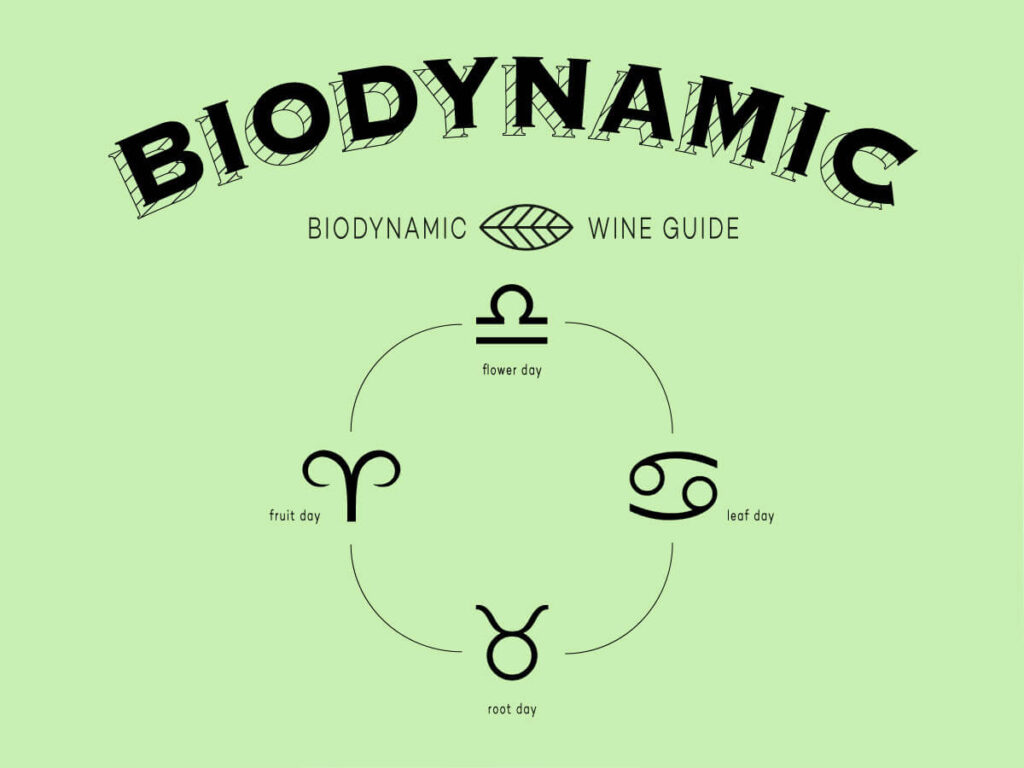
What is Bio-Dynamic Wine?
Bio-dynamic wine, like bio-organic wine, is produced using the principles of organic farming. However, bio-dynamic wine also employs the methods and practices of the bio-dynamic approach, which was developed by Rudolf Steiner in the early 20th century.
The bio-dynamic method goes beyond just agricultural practices; it incorporates philosophical, spiritual, and ecological concepts to create a holistic approach to viticulture. This philosophy is rooted in anthroposophy, a school of thought that emphasizes the interconnectedness of human beings, nature, and the cosmos.
History of Bio-Dynamic Wine
Bio-dynamic wine production has gained popularity over the past few decades, mainly in countries such as France, Switzerland, Italy, Germany, Chile, South Africa, Canada, and the United States. Despite its growing recognition, there are currently only about 450 certified bio-dynamic winemakers worldwide.
To be labeled as “bio-dynamic,” a wine must adhere to strict standards set by the Demeter Association, an internationally recognized certification body. The association was founded in 1928 by Austrian philosopher Rudolf Steiner and his wife Marie von Sivers, who aimed to promote sustainable agriculture using biodynamic principles.
Differences between Bio-Dynamic Wine and Organic Wine
Some producers of bio-dynamic wines claim that they produce more robust, disease-resistant grapes with improved quality. However, scientific evidence has not shown significant differences between bio-dynamic and organic wines.
In concrete terms, while the concept of “natural agriculture” is shared by both methods, bio-dynamic wine production involves the use of specific preparations created by Rudolf Steiner, known as biodynamic preparations. These preparations are designed to treat the soil, plants, and animals using a holistic approach that considers the interconnectedness of all living beings.
Biodynamic Preparations
For a vineyard, the bio-dynamic producer must use these preparations in accordance with Steiner’s guidelines. These preparations include natural composts designed to fertilize and improve soil quality, such as cow bones, tree bark, and other plant materials. The specific preparations used can vary depending on the type of crop being grown and the season.
Some common biodynamic preparations include:
- Horn manure: Made from cow horns, this preparation is believed to promote healthy microbial activity in the soil.
- Wood ash: This preparation is made from wood ash and is used to fertilize plants and improve soil fertility.
- Quartz crystals: These are crushed quartz crystals that are believed to absorb and store cosmic energies, which can then be applied to the vineyard.
Although organic animal parts are not used in bio-dynamic wine production, some preparations do contain animal-derived ingredients, like cow horns or quercia wood. However, these ingredients are often sourced from farms and producers who prioritize sustainable and humane practices.
Biodynamic Wine Production
Bio-dynamic wine production also follows specific practices during the winemaking process. This includes using traditional methods and techniques that respect natural processes and minimize human intervention.
Some key differences between bio-dynamic and conventional winemaking include:
- Fermentation: Bio-dynamic wines often undergo a longer fermentation period, which allows for more complex flavors to develop.
- Oak aging: Bio-dynamic producers may choose to use natural oak barrels or alternative aging methods, such as glass bottles or stainless steel tanks.
- Blending: Bio-dynamic winemakers may blend different grape varieties and vintages to create a unique flavor profile.
What is Bio-Dynamic Wine? A Definition
If we had to define bio-dynamic wine, it would be a product resulting from natural processes that aim to harness the synergies between terrestrial forces and cosmic energies. This holistic approach considers the interconnectedness of all living beings and seeks to promote healthy growth and development in the vineyard.
When we say “natural processes,” we’re referring directly to traditional farming practices, such as manual plowing with horses instead of tractors. We’re also talking about a winemaking process that prioritizes minimal intervention and respect for natural processes.
Frequently Asked Questions (FAQs)
- What is the main difference between organic and bio-dynamic wine?
While both methods prioritize natural agriculture, bio-dynamic wine also incorporates spiritual and philosophical principles developed by Rudolf Steiner. Bio-dynamic wines are often seen as more holistic and interconnected with nature.
- How do bio-dynamic wines differ from conventional wines in terms of quality and taste?
Currently, there is no conclusive evidence to support the claim that bio-dynamic wines are significantly better or tastier than conventional wines. However, some producers report improved yields and fruit quality using biodynamic methods.
- What is the role of biodynamic preparations in bio-dynamic wine production?
Biodynamic preparations are natural composts designed to fertilize and improve soil quality. These preparations can include animal-derived ingredients, but organic parts are not used in bio-dynamic wine production.
- Can you grow bio-dynamic grapes using conventional farming methods?
No, to be considered a bio-dynamic winemaker, the producer must adhere to Steiner’s guidelines and use biodynamic preparations as part of their production process. Conventional farming methods may not provide the same level of holistic benefits.
- How does bio-dynamic wine production affect the environment?
Bio-dynamic wine production typically focuses on sustainable practices like manual plowing and minimal human intervention during the winemaking process, which can help reduce environmental impact. However, the specific environmental effects depend on various factors, including farming methods and vineyard management.
- What certifications do bio-dynamic wines carry?
The Demeter Association is the only internationally recognized certification body for bio-dynamic wines. Other organizations, such as the European Union’s Organic label, may also be used to promote sustainable wine production practices.
- Can you find bio-dynamic wine in local stores or supermarkets?
Bio-dynamic wines may be harder to find than conventional wines, but they are increasingly becoming more accessible through online retailers and specialty wine shops.
- How can I learn more about bio-dynamic wine production and its benefits?
To explore the world of bio-dynamic wine further, check out our in-depth articles on Bio-Dynamic Wine and its Production Methods. You can also visit websites from certified organizations, such as Demeter International or the Association of European Biodynamic Farmers.
- Are there any specific health benefits associated with bio-dynamic wines?
There is currently limited scientific evidence to support the claim that bio-dynamic wines have unique health benefits compared to conventional wines. However, some proponents argue that biodynamic methods can promote healthier grapes and wine production practices.
- Can I use my own biodynamic preparations at home?
While it’s technically possible to create your own biodynamic preparations at home, it’s essential to follow Steiner’s guidelines and ensure the quality of the materials used. Homemade preparations may not have the same effectiveness or safety as commercial products from certified suppliers.
- How can I find bio-dynamic wines in my area?
To locate bio-dytic wines near you, check with local wine shops or specialty stores that carry organic or natural wines. You can also search online for certified bio-dynamic wineries and distributors in your region.
- What is the future of bio-dynamic wine production?
As demand for sustainable and holistic wine production practices grows, we can expect to see more producers adopt biodynamic methods. Certification bodies like Demeter International will continue to play an important role in promoting and regulating bio-dynamic wine production worldwide.


