
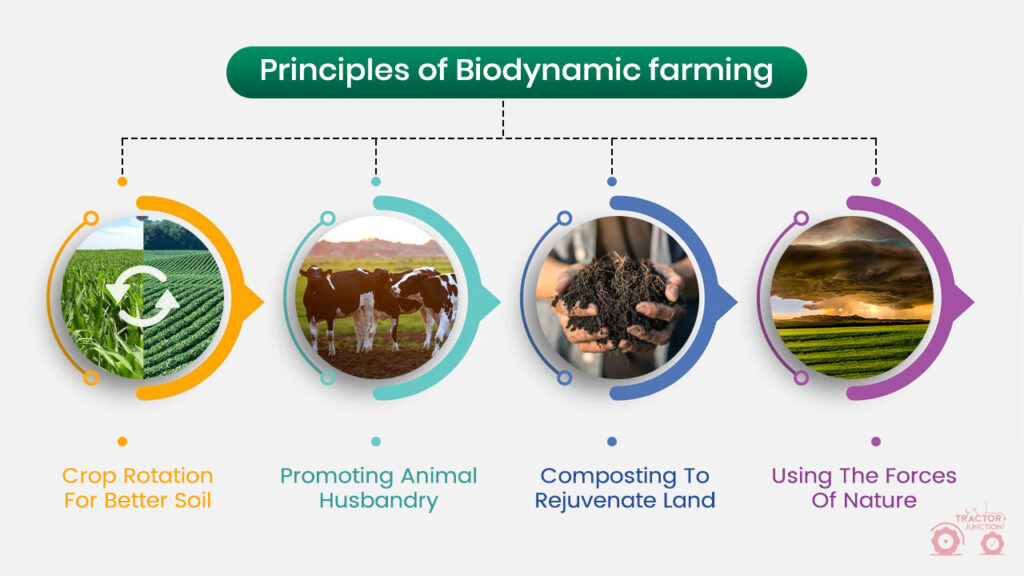
As the world shifts its focus towards sustainable practices, agriculture biodynamic is gaining traction in Italy, particularly since Expo 2015. However, it’s essential to distinguish this practice from organic farming.
What is Agriculture Biodynamic?
The term “agriculture biodynamic” may seem complex, but in essence, it’s a method of cultivation based on Rudolf Steiner’s anthroposophical worldview. Steiner envisioned a system where agriculture is in harmony with the ecosystem, considering the soil and the life that develops upon it as a single, interconnected entity.
Principles of Agriculture Biodynamic
Two fundamental principles guide this approach: composting and lunar cycles. According to Steiner, these two pillars aim to revolutionize farming practices, naturally from the ground up. The objectives are multifaceted:
- Maintaining fertile soil: while ensuring plant health
- Increasing product quality: by utilizing natural methods
In contrast to traditional agriculture, biodynamic farming excludes the use of non-natural fertilizers. No synthetic substances or toxic agents should be mentioned.
Lunar Cycles and Compost
The lunar cycle plays a crucial role in determining planting days, transplanting, and pruning schedules. While any calendar with lunar symbols may seem sufficient, an astronomical calendar specifically designed for biodynamic farming is necessary to ensure accuracy.
In addition to this programmed approach, the quality of compost is also essential. This involves using a mix of earth, plant residues, water, and calcium, which provides energy and life for plants. There are two types of preparatives used in composting:
- Accumulation: allowing natural decomposition
- Spraying: using specialized preparations
Agriculture Biodynamic in Italy
Italy has seen a rise in associations promoting biodynamic agriculture. These organizations host workshops, courses, and initiatives to educate interested individuals. Initially, the focus was on soil preparation, suggesting the use of organic fertilizers.
Biodynamic Agriculture Courses
While there are various courses available, it’s crucial to verify their scientific basis. Some beneficial practices include:
- Interruption of specific plants: for fertilizer purposes
- Crop rotation: promoting soil health
Preparatives used in biodynamic agriculture are also essential and can be derived from animal manure, quartz powder, or plant material.
Challenges and Controversies
Despite its benefits, agriculture biodynamic is sometimes viewed as a pseudoscience due to its emphasis on “cosmic forces” and concepts like “vital energy.” However, by extracting valuable lessons from this approach, we can learn more about sustainable farming practices.
A Brief History of Agriculture Biodynamic
Biodynamics has its roots in the 1920s when Rudolf Steiner first proposed the concept. Steiner’s vision was to create a system that could maintain ecological balance while also providing natural and healthy food for humans.
Steiner believed that agriculture should be treated as an integral part of human life, encompassing not only crops but also animals. This comprehensive approach allows biodynamic farmers to better understand and respond to the ever-changing ecosystem around them.
Organic vs Biodynamic: The Key Differences
While both organic and biodynamic farming are considered sustainable practices, there are distinct differences between the two:
- Biodynamics: places a strong emphasis on lunar cycles and cosmic forces
- Organics: focuses primarily on eliminating synthetic chemicals from farming
This difference in approach reflects fundamentally different worldviews about the interconnectedness of human, animal, and plant life.
Agriculture Biodynamic and Soil Health
Soil health is a critical aspect of biodynamics. This method recognizes that soil can be both a source of life and death for plants. The right balance between nutrients and minerals is crucial to promoting healthy microbial activity in the soil ecosystem.
In biodynamics, the importance of soil health extends beyond nutrient supplementation. The practice encourages farmers to maintain ecological balance by avoiding monoculture farming practices, which can lead to soil degradation.
Agriculture Biodynamic and Crop Rotation
Crop rotation is a fundamental aspect of biodynamics, as it helps maintain ecological balance in the soil ecosystem. By rotating crops, biodynamic farmers can avoid depleting specific nutrients or creating imbalances that might harm plant health.
For example, if a crop uses up all the nitrogen in the soil, subsequent crops may require additional nitrogen. This can lead to over-reliance on synthetic fertilizers and disrupt the delicate balance of the ecosystem.
Practicing Agriculture Biodynamic: Tips and Tricks
If you’re interested in trying your hand at agriculture biodynamic, here are some practical tips:
- Start small: Begin with a few plants or animals and gradually expand your operation.
- Observe lunar cycles: Pay attention to the lunar cycle and adjust your planting schedule accordingly.
- Use natural materials: Opt for natural materials like compost and animal manure instead of synthetic fertilizers.
By embracing these principles, you can create a thriving ecosystem that produces healthy food while minimizing environmental impact.
Conclusion
In conclusion, agriculture biodynamic is an approach to farming that prioritizes ecological balance and the well-being of plants. By incorporating lunar cycles and natural materials into your practice, you can create a sustainable system that benefits both humans and the environment.
Whether you’re interested in exploring this method further or simply looking for ways to improve your agricultural practices, there’s no denying the potential of agriculture biodynamic to transform the way we produce food.
Stay updated on my latest articles by following me on Twitter, Facebook, Google+, and Pinterest.
If you’re also interested in exploring related topics, I recommend checking out:
- Agriculture Biodynamic
- Olive Gardening
- Differences between Organic Wine and Biodynamic Wine


