
As the world grapples with the complexities of climate change and sustainable energy, innovative solutions like ARTI Biogas are gaining international attention. This revolutionary technology allows individuals to produce biogas independently at home, harnessing organic food waste as a renewable energy source. In this comprehensive article, we’ll delve into the world of ARTI Biogas, exploring its history, benefits, and potential impact on our planet.
What is ARTI Biogas?
ARTI Biogas is an autonomous biogas production system that utilizes compact digesters to extract biogas from organic food waste. This technology has been patented by the Appropriate Rural Technology Institute in Maharashtra, India, and has gained recognition globally for its innovative approach to sustainable energy.
A Brief History of ARTI Biogas
The concept of ARTI Biogas emerged from a group of innovators known as ARTI, who were awarded the prestigious Ashden Awards in the category “food security” for their contributions to sustainable energy. The name “ARTI-Biogas” was coined by the group itself, reflecting its commitment to empowering communities through sustainable technologies.
How Does ARTI Biogas Work?
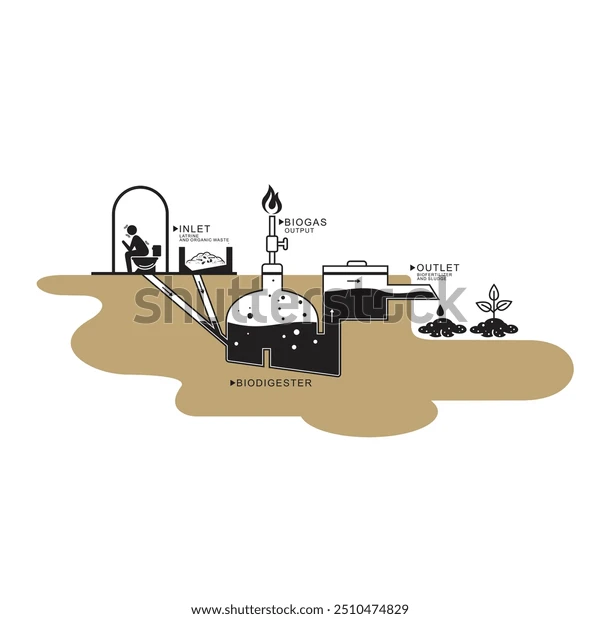
The compact digester at the heart of ARTI Biogas is designed to extract biogas from organic food waste, including vegetable and flour-based materials. This process involves a combination of microbial fermentation and anaerobic digestion, which produces biogas as a byproduct.
Benefits of ARTI Biogas
ARTI Biogas offers numerous benefits for individuals, communities, and the environment. Some of these advantages include:
- Economic Savings: By producing their own biogas, households can save money on fuel costs, reducing their reliance on external energy sources.
- Clean Drinking Water: In areas without access to piped water, ARTI Biogas provides a reliable source of clean drinking water, essential for human consumption and hygiene.
- Ready-to-Use Gas: The biogas produced by the ARTI system can be used directly as fuel for cooking ranges or stoves, providing an alternative to fossil fuels.
- Environmental Benefits: By reducing waste production, methane emissions, CO2 emissions, and petroleum gas consumption, ARTI Biogas contributes significantly to a more sustainable future.
How Does ARTI Biogas Compare to Traditional Systems?
Compared to traditional animal biomass-based systems, the biogas digestion process of organic food waste using ARTI Biogas results in several advantages:
- Faster Timeframe: The ARTI system allows for faster biogas production, reducing the timeframe required for fermentation.
- Cost Savings: By harnessing organic food waste as a renewable energy source, households can save money on fuel costs and reduce their environmental impact.
- Environmental Benefits: The reduction in waste production, methane emissions, CO2 emissions, and petroleum gas consumption makes ARTI Biogas an environmentally friendly alternative.
Design and Installation of the Compact Digester
The compact ARTI Biogas digester measures 2m x 2.5m and consists of an inlet opening, two storage tanks, a pipe for liquid fertilizer, and another for connecting to boilers or stoves. The price of the digestor is around €150-€200, making it an affordable option for households looking to adopt sustainable energy solutions.
Types of Organic Food Waste Suitable for ARTI Biogas
ARTI Biogas can be used with various types of organic food waste, including:
- Vegetable peels and scraps
- Flour-based materials
- Fruits and fruit waste
- Coffee grounds and tea bags
- Eggshells
However, it’s essential to ensure that the organic material is properly cleaned and processed before feeding it into the compact digester.
Key Components of ARTI Biogas
The following components are integral to the operation of ARTI Biogas:
- Compact Digester: The heart of the system, responsible for extracting biogas from organic food waste.
- Inlet Opening: Allows organic material to be fed into the digester.
- Storage Tanks: Hold liquid fertilizer produced during the digestion process.
- Pipe and Fittings: Connects the digestor to boilers or stoves, providing a reliable source of fuel.
- Safety Features: Includes a gas lock valve, overpressure protection, and an alarm system for safe operation.
How to Set Up ARTI Biogas
To set up ARTI Biogas, follow these steps:
- Purchase the compact digester from an authorized dealer or manufacturer.
- Ensure that the organic material is properly cleaned and processed before feeding it into the digester.
- Connect the inlet opening to the compact digester.
- Install the storage tanks and pipe system.
- Follow the manufacturer’s guidelines for operating and maintaining the ARTI Biogas system.
Maintenance and Repair of ARTI Biogas
Regular maintenance is crucial to ensure the optimal functioning of ARTI Biogas. Tasks include:
- Cleaning the compact digester and inlet opening
- Checking gas levels and adjusting the pipe system as needed
- Monitoring the system’s performance and making adjustments accordingly
In case of issues, consult the manufacturer’s guidelines or contact an authorized service provider for assistance.
Conclusion
ARTI Biogas represents a significant breakthrough in sustainable energy production, offering individuals and communities a reliable source of clean drinking water, ready-to-use gas, and economic savings. As we navigate the complexities of climate change, innovative technologies like ARTI Biogas are crucial for creating a more sustainable future. By embracing this technology, we can unlock new possibilities for renewable energy and empower communities to take control of their energy needs.
Frequently Asked Questions (FAQs)
- What is the typical timeframe required for biogas production using ARTI Biogas?
The ARTI system allows for faster biogas production, reducing the timeframe required for fermentation. - How does ARTI Biogas compare to traditional animal biomass-based systems?
Compared to traditional systems, the biogas digestion process of organic food waste using ARTI Biogas results in several advantages, including a faster timeframe and cost savings. - What is the typical price range for an ARTI Biogas digester?
The price of the digestor is around €150-€200, making it an affordable option for households looking to adopt sustainable energy solutions. - Can ARTI Biogas be used in areas without access to piped water?
Yes, the biogas produced by the ARTI system can be used directly as fuel for cooking ranges or stoves, providing an alternative to external energy sources. - What are the environmental benefits of using ARTI Biogas?
The reduction in waste production, methane emissions, CO2 emissions, and petroleum gas consumption makes ARTI Biogas an environmentally friendly alternative. - Can ARTI Biogas be used for hot water heating in sanitary facilities?
Yes, the biogas produced by the ARTI system can be used to fuel boilers or stoves for hot water heating in sanitary facilities. - How does ARTI Biogas benefit rural communities?
ARTI Biogas provides access to clean drinking water and ready-to-use gas, even in remote areas without gas lines, empowering rural communities to take control of their energy needs. - What is the potential impact of ARTI Biogas on global sustainability efforts?
By harnessing organic food waste as a renewable energy source, ARTI Biogas contributes significantly to reducing greenhouse gas emissions and promoting sustainable development worldwide.
Future Directions for ARTI Biogas
As ARTI Biogas continues to gain international recognition, several future directions are being explored:
- Expansion of Product Line: Manufacturers are developing new products and technologies to improve the efficiency and reliability of the system.
- Scalability and Commercialization: The goal is to scale up production and commercialize the technology, making it more accessible to households and communities worldwide.
- Education and Training Programs: Educational programs and training sessions are being implemented to promote awareness and understanding of ARTI Biogas among users and non-users alike.
By embracing innovative technologies like ARTI Biogas, we can unlock new possibilities for sustainable energy production and create a brighter future for generations to come.


