
Understanding the Divide in the Scientific Community
The debate surrounding biodiesel has sparked intense division within the scientific community. On one hand, supporters of biodiesel tout it as a cleaner alternative to fossil fuels. On the other hand, numerous scientists argue that biodiesel poses an even greater threat than oil itself.
At its core, the controversy revolves around whether biodiesel can truly serve as a sustainable and environmentally friendly solution or if it exacerbates existing problems. Proponents of biodiesel emphasize its potential to reduce greenhouse gas emissions and dependence on fossil fuels. However, critics point out that large-scale production of biodiesel often involves land grabbing, deforestation, and resource exploitation.
Theoretical Ideal: Upcycling Waste Oil into Biodiesel
Imagine transforming waste cooking oil destined for landfills or incineration into biodiesel, which could power vehicles or heat homes. This transformation theoretically seems like a viable solution. However, reality falls short of this ideal.
Biodiesel is indeed less polluting than traditional fossil fuels. Nevertheless, it does not originate from waste cooking oil but rather relies on the exploitation of land, chemical fertilizers, and pesticides – often derived from petroleum. The process of converting vegetable oils into biodiesel requires large amounts of energy, which can lead to increased greenhouse gas emissions.
The Environmental Impact: A Complex Issue
From a combustion standpoint, biodiesel yields tangible emission benefits. However, when considering the entire lifecycle of biodiesel production, numerous doubts arise. The phenomenon known as “land grabbing” has intensified due to widespread biodiesel production.
Western countries are increasingly taking over remote territories to cultivate land for biofuel crops like soy and corn. These large-scale agricultural operations lead to deforestation and increased demand for biodiesel, driving up prices in the process. This can have far-reaching consequences, including displacement of local communities and loss of biodiversity.
The Consequences of Large-Scale Biofuel Production
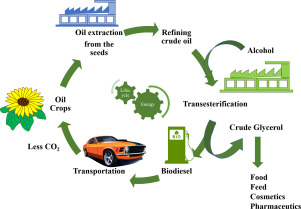
Biodiesel is produced by combining vegetable oils with methanol, resulting in diesel-bioprodukte (diesel-biofuels) and glycerin – a secondary product sold to cosmetics and pharmaceutical industries. This conversion process is necessary because plant-based oils lack the characteristics needed to substitute gasoline.
According to the Energy Information Administration (EIA), in 2011, biodiesel was primarily derived from soybean oil and rapeseed oil. The large-scale production of these crops can lead to resource depletion, water scarcity, and increased reliance on synthetic fertilizers.
A Critical Examination of Biodiesel’s Impact
The question remains whether biodiesel can truly serve as a cleaner alternative or if it poses an even greater threat than fossil fuels. By examining both the environmental implications and the socioeconomic consequences of large-scale biofuel production, we can better understand this complex issue.
One major concern is the impact on food prices. The increased demand for corn and soybeans to produce biodiesel has led to higher prices for staples like bread, milk, and eggs. This can exacerbate food insecurity, particularly in vulnerable communities.
Another critical issue is the role of land grabbing in driving deforestation and biodiversity loss. Widespread conversion of forests into agricultural land for biofuel crops has significant implications for global ecosystems, including the loss of habitat for endangered species and increased greenhouse gas emissions from stored carbon.
Biodiesel: A Double-Edged Sword
While biodiesel may offer some benefits during combustion, its overall impact is multifaceted and contentious. The practice of land grabbing and deforestation associated with biodiesel production raises ethical concerns about the exploitation of resources. Moreover, the increased demand for biofuels drives up prices and exacerbates environmental problems.
The environmental benefits of biodiesel can be overstated if not balanced against the larger context of its production. For instance, a study by the Swedish Environmental Research Institute found that large-scale biofuel production was associated with higher greenhouse gas emissions than traditional fossil fuel-based energy systems in many regions.
Conclusion: Seeking a Middle Ground
As we navigate this complex debate surrounding biodiesel, it is essential to acknowledge both its benefits and drawbacks. By fostering greater awareness and promoting sustainable practices, we can work toward finding a more equitable solution that balances economic viability with environmental responsibility.
One potential approach is to adopt policies that support the development of more efficient and sustainable biofuel technologies. This could include investments in research and development, subsidies for farmers who use sustainable agricultural practices, and incentives for companies that prioritize environmental responsibility.
Ultimately, the future of biodiesel production will depend on our ability to navigate this complex landscape and find a path that balances economic viability with environmental sustainability. By embracing a nuanced understanding of the issues at play, we can work toward creating a more sustainable energy system that benefits both people and the planet.


