
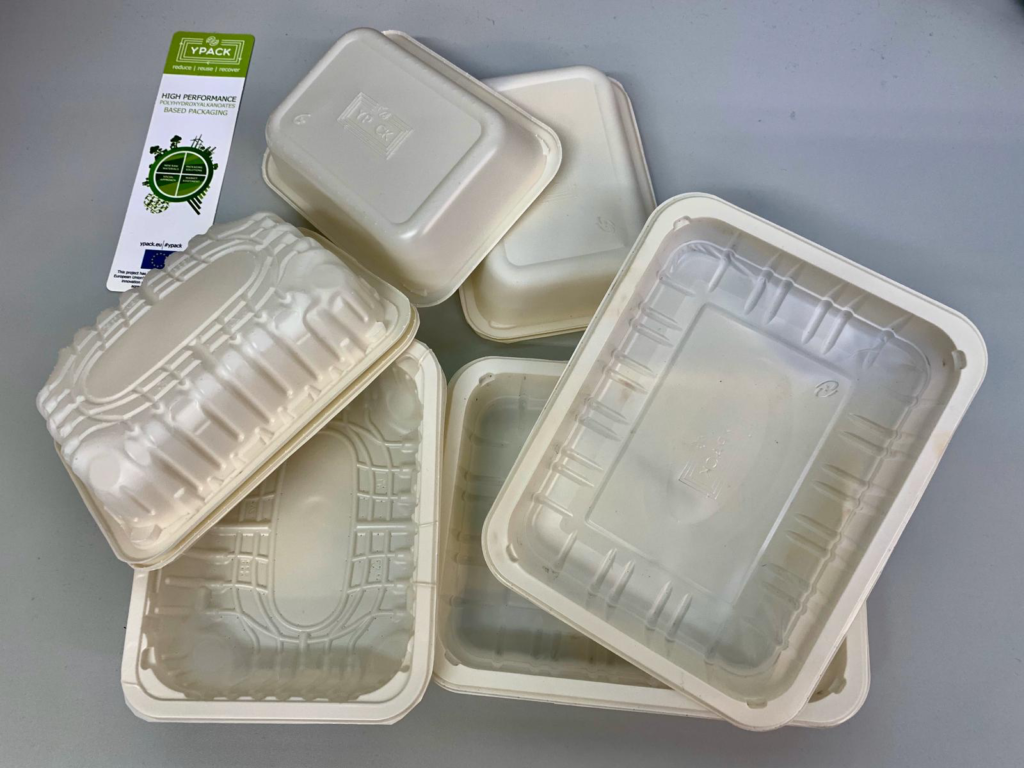
As we navigate the complexities of our ever-changing environment, it’s becoming increasingly clear that one of the most significant contributors to waste is food packaging. The statistics are staggering: a staggering amount of plastic waste ends up in landfills and oceans every day, harming marine life and contaminating the food chain.
But there’s hope on the horizon. Biodegradable Food Packaging offers a solution to this growing problem. By using biodegradable materials, we can significantly reduce our reliance on non-biodegradable plastics and create a more sustainable future for our planet.
Why Biodegradable Food Packaging Matters
The vast majority of food packaging is derived from non-renewable resources like petroleum and natural gas. When these materials are discarded, they often end up in landfills or oceans, contributing to the staggering amounts of plastic waste we face today.
Biodegradable food packaging offers a game-changer solution to this problem. By using biodegradable materials, we can significantly reduce our reliance on non-biodegradable plastics and create a more sustainable future for our planet.
The Benefits of Biodegradable Food Packaging
So, what are the benefits of biodegradable food packaging? Let’s dive into some of the most significant advantages:
- Reduced waste: Biodegradable food packaging reduces the amount of waste that ends up in landfills and oceans.
- Lower carbon footprint: Biodegradable materials tend to have a lower carbon footprint than traditional plastics, making them a more sustainable option.
- Improved health: By reducing our reliance on non-biodegradable plastics, we can also reduce exposure to harmful chemicals and toxins.
Types of Biodegradable Food Packaging
There are several types of biodegradable food packaging available today. Here are some examples:
- Bioplastic bags: Made from renewable resources like corn starch or sugarcane, these bags are biodegradable and compostable.
- Compostable containers: These containers are made from materials that can be easily composted at home or in industrial facilities.
- Edible cutlery: Yes, you read that right! Edible cutlery is becoming increasingly popular as a sustainable alternative to traditional plastics.
Innovative Solutions
Several companies and startups are working on innovative solutions for biodegradable food packaging. Some notable examples include:
- Tomorrow Machine: This company has developed a range of innovative biodegradable containers, including ones made from agar agar and beeswax.
- Flexopack: Based in Genoa, Italy, Flexopack is one of the leading companies in the development of biodegradable food packaging.
The Future of Biodegradable Food Packaging
As we move forward into a more sustainable future, it’s clear that biodegradable food packaging will play an increasingly important role. By adopting this technology, we can reduce our reliance on non-biodegradable plastics and create a more sustainable world for generations to come.
So, what does the future hold for biodegradable food packaging? Here are some predictions:
- Increased adoption: As consumers become more aware of the importance of sustainability, we expect to see increased adoption of biodegradable food packaging.
- Innovative materials: Researchers and manufacturers will continue to develop new, innovative materials that can replace traditional plastics.
- Regulatory support: Governments and regulatory bodies will play a crucial role in supporting the development and adoption of biodegradable food packaging.
Frequently Asked Questions
Here are some frequently asked questions about biodegradable food packaging:
- What is biodegradable food packaging?
Biodegradable food packaging refers to packaging materials that can easily break down into natural components, reducing waste and environmental impact. - How does biodegradable food packaging work?
Biodegradable food packaging works by using materials that can naturally decompose, such as plant-based plastics or edible containers. - What are the benefits of biodegradable food packaging?
The benefits of biodegradable food packaging include reduced waste, lower carbon footprint, and improved health. - Can I compost biodegradable food packaging at home?
Yes, many biodegradable food packaging materials can be composted at home or in industrial facilities. - How much does biodegradable food packaging cost?
The cost of biodegradable food packaging varies depending on the material and manufacturer.
Conclusion
Biodegradable food packaging is a game-changer for reducing waste and environmental impact. By adopting this technology, we can create a more sustainable future for our planet. Whether you’re a consumer, business owner, or innovator, it’s time to get on board with biodegradable food packaging.


