
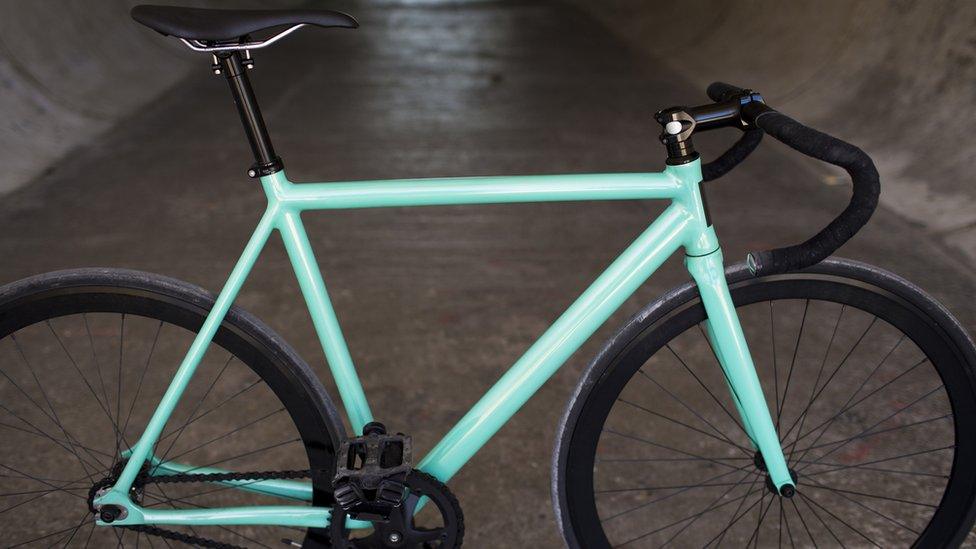
Riding a fixed-gear bike can be an exhilarating experience, but it requires a specific set of skills and techniques. In this article, we will delve into the world of fixed-gear bikes, exploring their mechanics, usage, and safety guidelines.
What is a Fixed-Gear Bike?
A fixed-gear bike, also known as a “bici senza freni” or “fixed bike,” is a type of bicycle that has a fixed gear ratio and no freewheel mechanism. This means that the pedals are directly connected to the rear wheel via a chain, creating a direct mechanical link between the two.
History of Fixed-Gear Bikes
The concept of fixed-gear bikes dates back to the early 20th century in Italy. In the 1920s and 1930s, Italian cyclists began experimenting with single-speed bicycles that had no freewheel mechanism. This allowed them to maintain control over their speed and momentum while riding.
Types of Fixed-Gear Bikes
There are several types of fixed-gear bikes available, each with its unique characteristics:
- Track fixed-gear bike: Designed for racing on velodromes, these bikes have a narrow wheelbase and are optimized for speed.
- Commuter fixed-gear bike: Suitable for daily commutes, these bikes often feature a more upright riding position and fenders for added practicality.
- Cruiser fixed-gear bike: Designed for leisurely rides on flat terrain, these bikes typically have a relaxed riding position and comfortable seating.
How Do I Use a Fixed-Gear Bike?
Before you start riding a fixed-gear bike, it’s essential to understand how to use it safely and effectively. Here are some key steps to follow:
Setting Up Your Fixed-Gear Bike
When setting up your fixed-gear bike, make sure to adjust the seat height so that your foot can touch the ground while sitting on the saddle. This will provide you with a stable platform for riding.
Next, position the pedals in the desired location, making sure they are securely attached to the crankset. To do this, stand next to the bike and gently push the pedal towards the ground, then pull it back up into its original position. Repeat this process until the pedals feel secure.
Mastering the Basic Commands
Once you’ve set up your fixed-gear bike, it’s time to learn the basic commands:
- Pedaling: To start pedaling, simply push off with one foot and begin turning the pedals in a circular motion.
- Braking: To slow down or stop, simply pedal more slowly. This will cause the rear wheel to decelerate, effectively braking the bike.
Advanced Techniques
As you become more comfortable with your fixed-gear bike, it’s time to learn some advanced techniques:
- Sprinting: To perform a sprint, lean forward and push off with one foot. As you gain speed, shift your weight onto the pedal that is now in front of you.
- Braking: To brake smoothly, use the “calcio” technique: lift one pedal up while keeping the other on the ground.
Safety Considerations
When riding a fixed-gear bike, safety should always be your top priority. Here are some key guidelines to follow:
- Wearing Protective Gear: Always wear a helmet and consider wearing knee pads and elbow pads for added protection.
- Riding in Safe Environments: Avoid riding on busy roads or in areas with heavy foot traffic. Instead, opt for quieter roads or bike paths.
- Following Local Regulations: Check your local regulations regarding fixed-gear bikes, as some cities may have specific rules governing their use.
Tips for Beginners
As a beginner, it’s essential to remember that riding a fixed-gear bike takes time and practice to master. Here are some tips to help you get started:
- Start on a Flat Surface: Begin by practicing your basic commands on a flat surface, such as a parking lot or empty road.
- Practice Regularly: Consistency is key when it comes to improving your fixed-gear bike skills. Aim to practice regularly, even if it’s just for a few minutes each day.
- Seek Guidance from an Experienced Rider: Consider finding a more experienced rider who can provide guidance and support as you learn.
Maintaining Your Fixed-Gear Bike
To keep your fixed-gear bike in top condition, follow these maintenance tips:
- Regularly Check Tire Pressure: Make sure to check tire pressure at least once a week, and adjust it as needed.
- Lubricate the Chain: Use a high-quality chain lube to keep your chain running smoothly.
- Clean Your Bike Regularly: Regular cleaning will help prevent dirt and grime from building up on your bike.
Conclusion
Riding a fixed-gear bike requires patience, practice, and dedication. By following these guidelines and tips, you’ll be well on your way to becoming a confident fixed-gear bike rider. Remember to always prioritize safety and maintain your bike regularly to ensure years of enjoyable riding.


