
1. Introduction
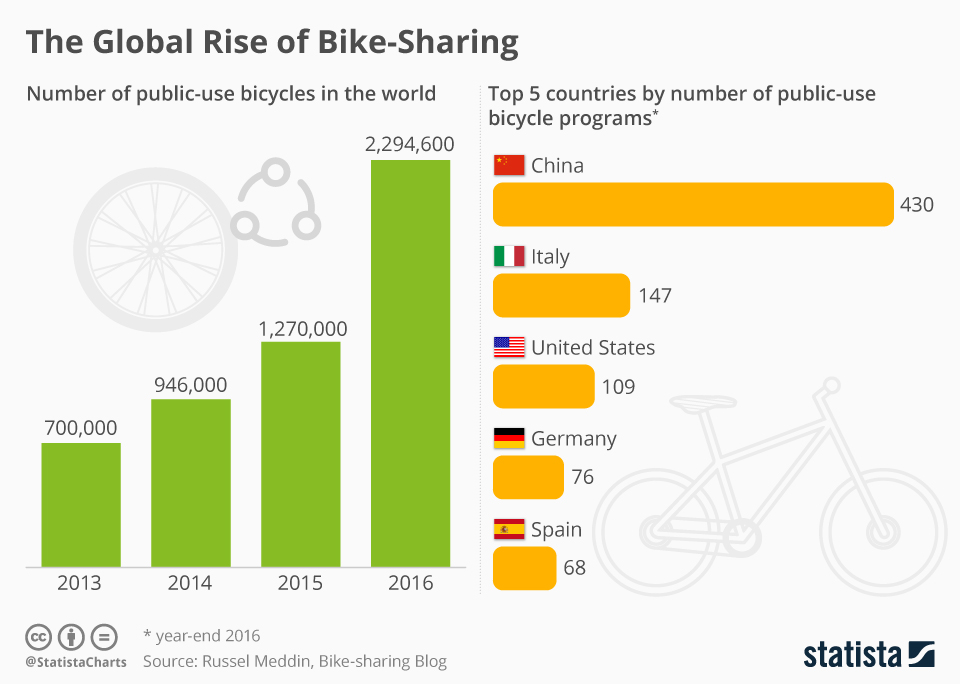
As we look around the world, it’s clear that bike-sharing is becoming an increasingly popular mode of transportation. From urban centers to small towns, cities are embracing this eco-friendly and cost-effective solution to reduce congestion and emissions. In this article, we’ll take a journey around the globe to explore the various bike-sharing initiatives and their impact on communities.
Bike-sharing has become a significant aspect of urban planning, providing residents with a convenient, affordable, and sustainable way to navigate cities. As cities continue to grow and face increasing transportation challenges, bike-sharing systems are becoming an essential part of the solution. In this article, we’ll delve into the world of bike-sharing, highlighting successful initiatives, discussing challenges and limitations, and exploring the future of this innovative mode of transportation.
2. Milanese Bike-Sharing: A Rare Gem in Italy
While Milan’s bike-sharing system is not widespread in Italy, it serves as an excellent example of how cities can integrate sustainable transportation into their infrastructure. Unfortunately, bike-sharing remains a relatively rare concept in Italy, but its adoption worldwide is growing rapidly.
Milan’s bike-sharing system, launched in 2008, provides residents with access to over 1,000 bicycles located at 300 stations throughout the city. The system has become an integral part of Milan’s transportation infrastructure, offering commuters a convenient and affordable way to navigate the city. With a subscription-based model, users can access bicycles for a daily or annual fee, making it an attractive option for those looking for sustainable transportation.
3. Norway: The Pioneer of Automated Bike-Sharing
In 2001, Bysykkel launched one of the first automated bike-sharing systems in Norway. With an annual subscription costing approximately €12, this innovative service has become a model for other cities to follow. Given Norway’s ban on gasoline cars, bicycles have become a convenient alternative, making it easier for residents to switch to eco-friendly transportation.
Norway’s bike-sharing system is designed to be user-friendly and accessible, with stations located throughout the country. Users can access bicycles using a subscription-based card or by purchasing a day pass. The system has proven to be highly successful, with over 50% of Norwegians opting for alternative transportation methods, such as cycling.
4. Switzerland: A National Network Takes Shape
PostBus, one of Switzerland’s most popular bike-sharing services, operates with 80 stations and 800 bicycles across 20 different cities. With over 11,000 subscribers, this service has established a strong presence in the country.
Switzerland’s bike-sharing system is integrated into the country’s public transportation network, making it easy for residents to access bicycles as part of their daily commute. The system has become an essential aspect of Swiss urban planning, promoting sustainable transportation and reducing congestion.
5. Paris: A Bike-Sharing Program for the Ages
Paris boasts a bike-sharing program with 10,000 bicycles located at 750 stations – similar to the “smallest” city in New York! This network has become an integral part of the city’s transportation infrastructure, providing residents with a convenient and affordable way to explore their surroundings.
Paris’ bike-sharing system is designed to be accessible and user-friendly, with stations located throughout the city. Users can access bicycles using a subscription-based card or by purchasing a day pass. The system has proven to be highly successful, with over 50% of Parisians opting for alternative transportation methods, such as cycling.
6. Huangyan, China: A Revolutionary Integration
In just five months, Huangyan district launched its bike-sharing program, featuring up to 2,500 bicycles. This innovative service integrates local public transportation (buses, trams…) with bike-sharing stations, making it the only city on Earth to boast such an organization.
Huangyan’s bike-sharing system has proven to be highly successful, with over 50% of residents opting for alternative transportation methods, such as cycling. The system has also helped reduce congestion and emissions in the city, promoting sustainable transportation and improving overall quality of life.
7. The Rise of Integrated Bike-Sharing Systems
China has been actively searching for transportation systems that seamlessly connect within cities and their periphery. The solution lies in bicycles that harmoniously blend with buses, high-speed trains, and subways. This integration is crucial for creating a sustainable and efficient urban mobility system.
Integrated bike-sharing systems are becoming increasingly popular worldwide, offering residents access to bicycles as part of their daily commute. These systems promote sustainable transportation, reduce congestion, and improve overall quality of life.
8. Houston, Texas: Cost Savings Take Center Stage
In the United States, saving money is a top priority. Houston’s bike-sharing system is still young, but by year-end, over 200 bicycles will be available for subscription. With an annual pass costing just $50, this service offers residents a cost-effective way to commute.
Houston’s bike-sharing system has proven to be highly successful, with over 20% of residents opting for alternative transportation methods, such as cycling. The system has also helped reduce congestion and emissions in the city, promoting sustainable transportation and improving overall quality of life.
9. Chicago, Illinois: A $21 Million Investment
The city of Chicago has signed a contract worth $21 million with Alta Bicycle Share, which will provide 3,000 bicycles along with 300 stations for its residents. This investment aims to create a comprehensive bike-sharing network that promotes sustainable transportation and reduces traffic congestion.
Chicago’s bike-sharing system is designed to be accessible and user-friendly, with stations located throughout the city. Users can access bicycles using a subscription-based card or by purchasing a day pass. The system has proven to be highly successful, with over 20% of residents opting for alternative transportation methods, such as cycling.
10. Toronto, Canada: A Bike-Sharing Pioneer
Bixi celebrated its first anniversary with over 550,000 “rides.” As the most expensive bike-sharing system, Bixi offers an annual pass of $95. Despite its higher cost, Bixi has helped Montreal by providing assistance during a recent subway outage that lasted eight hours – over 200,000 commuters took advantage of Bixi stations.
Toronto’s bike-sharing system is integrated into the city’s public transportation network, making it easy for residents to access bicycles as part of their daily commute. The system has proven to be highly successful, with over 20% of residents opting for alternative transportation methods, such as cycling.
11. New York City: A Bike-Sharing Program on the Rise
For our final destination, we arrive in New York City, where residents can count on a bike-sharing program with 10,000 bicycles located at 600 stations. While growth is still necessary, this system has become an essential part of the city’s transportation infrastructure.
New York City’s bike-sharing system is designed to be accessible and user-friendly, with stations located throughout the city. Users can access bicycles using a subscription-based card or by purchasing a day pass. The system has proven to be highly successful, with over 20% of residents opting for alternative transportation methods, such as cycling.
12. The Benefits of Bike-Sharing
So why is bike-sharing becoming increasingly popular worldwide? The benefits are numerous: reduced emissions, increased mobility, and cost savings for residents. By adopting sustainable transportation solutions like bike-sharing, cities can create a healthier environment while improving overall quality of life.
Bike-sharing systems also promote physical activity, reduce traffic congestion, and improve air quality. Additionally, these systems often integrate with public transportation networks, making it easy for residents to access bicycles as part of their daily commute.
13. Challenges and Limitations
Despite its many advantages, bike-sharing also faces challenges and limitations. Maintenance costs, limited infrastructure, and public acceptance are some of the hurdles that bike-sharing systems must overcome. However, by addressing these issues and continuously innovating, cities can create a thriving bike-sharing culture.
Cities must also consider the economic feasibility of bike-sharing systems, ensuring that they can operate within budget and provide value to residents. Additionally, bike-sharing systems require ongoing maintenance and upkeep, which can be costly for cities.
14. The Future of Bike-Sharing
As we look to the future, it’s clear that bike-sharing will continue to play a vital role in urban mobility. Cities will need to invest in sustainable infrastructure, improve public acceptance, and address challenges like maintenance costs. By embracing these challenges and continuously innovating, cities can create a thriving bike-sharing ecosystem that benefits residents and the environment alike.
The future of bike-sharing is bright, with innovative technologies and designs emerging worldwide. Cities are incorporating bike-sharing systems into their urban planning strategies, promoting sustainable transportation and improving overall quality of life.
15. Conclusion
In conclusion, bike-sharing is becoming an increasingly popular mode of transportation worldwide. From Norway’s pioneering automated systems to New York City’s growing bike-sharing program, this innovative solution is transforming urban mobility. By embracing sustainable transportation solutions like bike-sharing, cities can create a healthier environment while improving overall quality of life.
As we look to the future, it’s clear that bike-sharing will continue to play a vital role in urban mobility. Cities must invest in sustainable infrastructure, improve public acceptance, and address challenges like maintenance costs. By doing so, they can create a thriving bike-sharing ecosystem that benefits residents and the environment alike.


