
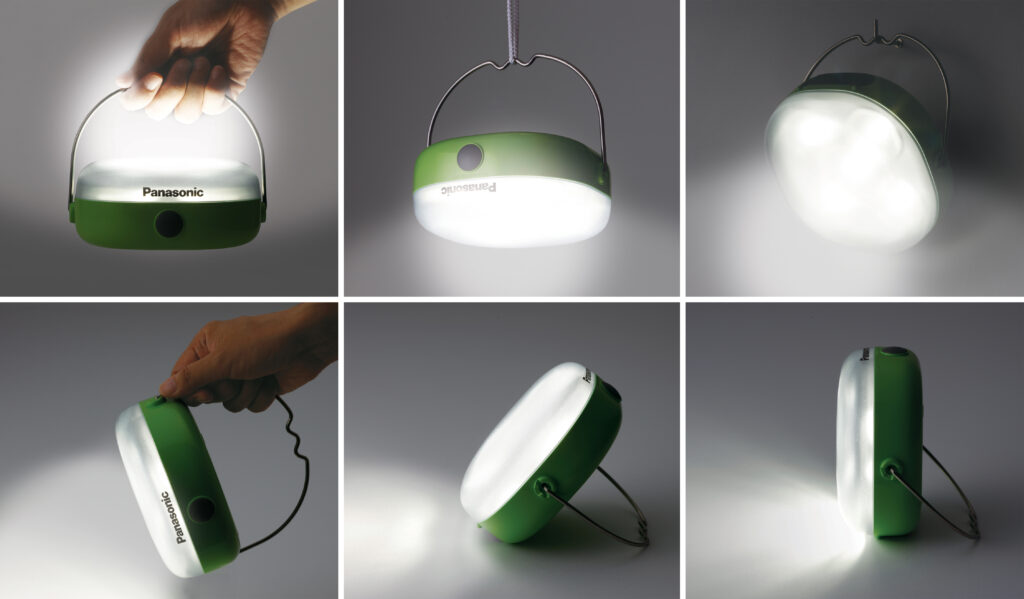
Introduction
In recent years, there has been a significant increase in the adoption of solar-powered lanterns as an alternative to traditional lighting sources. One such product is the BG-BL03, a high-efficiency LED lantern produced by Panasonic. This article will delve into the features and benefits of this innovative product, highlighting its potential to bring light to remote areas without access to electricity.
What is the BG-BL03?
The BG-BL03 is a solar-powered LED lantern designed for use in remote areas with limited or no access to electricity. Its primary function is to provide reliable and sustainable lighting, making it an ideal solution for individuals living in areas where traditional lighting sources are not available.
Key Features
- Solar Panel: The BG-BL03 features a 3.5-watt solar panel that can be charged during the day, providing power at night.
- LED Module: The lantern is equipped with an LED module of high efficiency, which provides bright and long-lasting light.
- Rotation Mechanism: The lantern’s structure allows it to rotate freely on its axis, enabling users to direct the light in any direction.
- USB Port: The BG-BL03 comes with a USB port that can be used to charge electronic devices such as smartphones.
Why is the BG-BL03 Important?
The BG-BL03 is more than just a lantern; it’s a tool for improving the lives of individuals living in remote areas. In regions like Africa and Asia, where access to electricity is limited, traditional lighting sources like kerosene lamps pose significant health risks due to their emissions and fire hazards.
Benefits of Solar-Powered Lanterns
- Renewable Energy: Solar-powered lanterns harness the power of the sun, reducing reliance on fossil fuels and mitigating climate change.
- Cost-Effective: Solar lanterns can be a more affordable alternative to traditional lighting sources in the long run.
- Low Maintenance: Solar lanterns require minimal maintenance and are resistant to extreme temperatures.
Panasonic’s Initiative: 100 Thousand Solar Lanterns Project
In an effort to bring light to remote areas, Panasonic has launched the “100 Thousand Solar Lanterns Project,” aiming to distribute 100,000 solar-powered lanterns across the globe. This initiative highlights the company’s commitment to sustainable energy solutions and its desire to improve access to lighting in underserved communities.
History of Solar-Powered Lighting
The use of solar power for lighting dates back to ancient civilizations, where people used mirrors and reflective surfaces to focus sunlight onto a single point. However, it wasn’t until the development of modern solar panels in the 1950s that solar-powered lighting became a practical reality.
Advancements in Solar Panel Technology
Over the years, advancements in solar panel technology have led to increased efficiency, lower costs, and improved durability. The current generation of solar panels is capable of producing up to 22% efficient electricity, making them an attractive alternative to traditional energy sources.
The Impact of Solar-Powered Lighting on Remote Communities
Solar-powered lighting has the potential to transform remote communities by providing access to reliable and sustainable energy. In areas where electricity is scarce or non-existent, solar lanterns can provide a beacon of hope for residents. By harnessing the power of the sun, these lanterns can bring light, comfort, and economic opportunities to individuals living in some of the world’s most isolated regions.
Challenges Facing Solar-Powered Lantern Adoption
Despite the benefits of solar-powered lanterns, there are several challenges that need to be addressed for widespread adoption. These include:
- Cost: While solar lanterns can be cost-effective in the long run, they may require a significant upfront investment.
- Storage: Solar panels require storage batteries to store excess energy generated during the day, which adds to the overall cost.
- Maintenance: While solar lanterns are low maintenance, they still require regular cleaning and inspection to ensure optimal performance.
Conclusion
The BG-BL03 LED lantern is an innovative solution for remote areas with limited or no access to electricity. Its ability to provide reliable, sustainable, and bright light makes it an ideal choice for individuals living in these regions. As we move forward, it’s essential that we continue to explore and invest in technologies like solar-powered lanterns, working towards a brighter future for all.
Frequently Asked Questions (FAQs)
- Q: What is the battery life of the BG-BL03?
- A: The BG-BL03 can provide up to 90 hours of light with a single charge.
- Q: Can I use the lantern in wet conditions?
- A: No, the lantern is not designed for use in wet environments. It’s recommended to store it in a dry place when not in use.
- Q: How long does it take to fully charge the lantern?
- A: The solar panel can fully charge the lantern in approximately 6 hours of direct sunlight.
- Q: Is the lantern suitable for indoor use?
- A: Yes, the BG-BL03 is designed for both indoor and outdoor use. However, it’s recommended to position it safely away from flammable materials.
- Q: Can I purchase additional solar panels to increase the lantern’s capacity?
- A: Yes, Panasonic offers replacement solar panels that can be purchased separately.
- Q: What is the warranty period for the BG-BL03?
- A: The BG-BL03 comes with a 2-year warranty covering manufacturing defects and other issues.
- Q: Is the lantern compatible with other devices?
- A: Yes, the USB port can be used to charge other electronic devices such as smartphones.
- Q: Can I purchase the lantern in bulk quantities?
- A: Yes, Panasonic offers discounts for bulk orders of the BG-BL03. Contact their customer service team for more information.
- Q: What is the environmental impact of using solar-powered lanterns?
- A: Solar-powered lanterns produce no emissions or greenhouse gases, making them an environmentally friendly alternative to traditional lighting sources.
Recommended Reading
For those interested in learning more about sustainable energy solutions and innovative technologies like solar-powered lanterns, we recommend checking out the following resources:


