
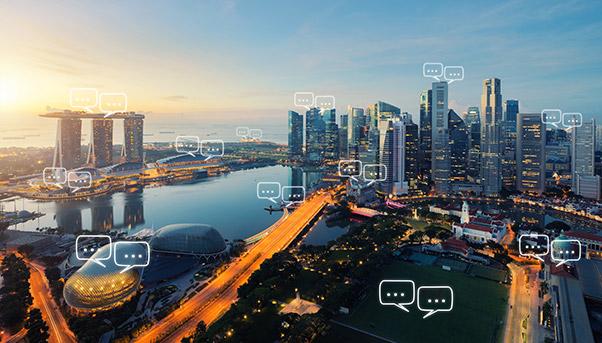
As an engineer, architect, and professor at the Massachusetts Institute of Technology, Carlo Ratti is passionate about making cities more sustainable. In this article, we’ll explore the latest developments in smart city technology and how they can improve our quality of life.
The Importance of Cities
Cities are the backbone of human civilization, but they also pose significant environmental challenges. Here are four key statistics that illustrate the importance of cities:
- 2% of the Earth’s surface is urbanized, but 50% of the population lives in cities.
- Cities consume 75% of the world’s energy and produce 80% of greenhouse gas emissions.
Ratti emphasizes that “cities are the most important factor in making our planet more sustainable.”
The Current State of Smart City Technologies
There are many smart city projects underway around the world, from trash tracking systems to real-time traffic updates. However, these technologies often struggle to integrate with existing infrastructure and are not always effective.
To create truly sustainable cities, we need to rethink the way we approach urban planning and design. This requires a more holistic approach that takes into account every aspect of urban life, from energy efficiency to public transportation.
The Future of Homes
As we build our homes, we must consider how they will fit into the larger urban landscape. Ratti envisions a future where buildings are designed to be flexible and adaptable, with technology seamlessly integrated into every aspect of life.
“Imagine a world where your home can learn your habits and preferences, adjusting its layout and energy usage accordingly,” he says.
This could involve smart windows that adjust to optimize natural light, or buildings that generate their own renewable energy through solar panels or wind turbines. The possibilities are endless, and the potential benefits for citizens are significant.
Urban Planning and Design
So how do we plan and design cities that are truly sustainable? Ratti emphasizes the importance of collaboration between architects, engineers, and policymakers.
“We need to create cities that are livable, efficient, and environmentally friendly,” he says. “This requires a holistic approach that takes into account every aspect of urban life.”
To achieve this, cities must prioritize green spaces, public transportation, and renewable energy sources. They should also invest in smart technologies that can help citizens make more informed decisions about their daily lives.
Key Technologies for Sustainable Cities
So what technologies will be most important in creating sustainable cities? Ratti identifies several key areas:
- Internet of Things (IoT): The integration of physical devices with the internet to create smart, connected systems.
- Data Analytics: The use of data and analytics to make informed decisions about urban planning and management.
- Sustainable Energy: The development of renewable energy sources and efficient energy systems.
Reducing Air Pollution
One of the biggest environmental challenges facing cities is air pollution. Ratti notes that “smart city technologies can play a critical role in reducing air pollution, from sensors to smart traffic management.”
For example, cities could use data analytics to identify areas with high levels of air pollution and deploy targeted interventions to reduce emissions. This might involve smart traffic lights that prioritize cleaner modes of transportation or urban planning strategies that minimize the impact of industrial activities on air quality.
The Senseable City Lab
Ratti is involved with the Senseable City Lab, a group of researchers dedicated to exploring how technology can transform urban life.
“We’re working on a range of projects, from urban planning to data visualization,” he says. “Our goal is to create a more sustainable, equitable, and connected world.”
The lab uses cutting-edge technologies like 3D printing and virtual reality to explore new approaches to urban design and development. For example, they’ve created virtual models of cities that can be used to test different scenarios and predict the impact of various interventions.
Frequently Asked Questions
Here are some frequently asked questions about smart cities and sustainable urban development:
Q: What are the most important technologies for creating sustainable cities?
A: The IoT, data analytics, and sustainable energy are key areas to focus on.
Q: How can cities reduce air pollution?
A: Smart city technologies like sensors and smart traffic management can play a critical role in reducing air pollution.
Q: What is the Senseable City Lab, and what does it do?
A: The Senseable City Lab is a group of researchers dedicated to exploring how technology can transform urban life. Our goal is to create a more sustainable, equitable, and connected world.
Q: How can cities balance growth with sustainability?
A: Cities must find ways to balance growth with sustainability, whether through smart urban planning or innovative technologies like IoT.
Q: What role do policymakers play in creating sustainable cities?
A: Policymakers play a critical role in shaping the future of cities. They must prioritize sustainability and innovation in their decision-making processes.
Q: How can citizens get involved in creating more sustainable cities?
A: Citizens can make a difference by participating in urban planning, using smart city technologies, and advocating for sustainability policies.
Q: What are some examples of successful smart city initiatives?
A: There are many examples of successful smart city initiatives around the world. These include Singapore’s Smart Nation initiative and Boston’s Traffic Management System.
Q: How can cities measure the success of their smart city projects?
A: Cities should use a range of metrics to measure the success of their smart city projects, including energy efficiency, air quality, and citizen engagement.
The Role of Data in Sustainable Cities
Data is becoming increasingly important in sustainable urban development. By using data analytics, cities can identify areas for improvement and develop targeted interventions to address environmental challenges.
For example, cities could use data on energy consumption to identify buildings that are wasting energy and deploy smart technologies to optimize their performance. They could also use data on air quality to identify areas with high levels of pollution and deploy targeted interventions to reduce emissions.
The Importance of Public-Private Partnerships
Public-private partnerships can play a critical role in creating sustainable cities. By working together, governments, businesses, and citizens can develop innovative solutions to urban challenges.
For example, private companies could invest in smart technologies like IoT sensors or energy-efficient buildings, while governments could provide regulatory support and funding for these initiatives.
The Future of Sustainable Cities
As we look to the future, it’s clear that sustainable cities will play an increasingly important role in shaping our world. From reducing air pollution to promoting green spaces, there are many challenges that need to be addressed.
However, with the right technologies, policies, and partnerships, we can create cities that are truly sustainable and equitable for all citizens.
Conclusion
In conclusion, creating sustainable cities is a complex task that requires collaboration between governments, businesses, and citizens. By prioritizing green spaces, public transportation, and renewable energy sources, cities can reduce their environmental impact and promote economic growth.
The future of smart cities holds much promise, from reducing air pollution to promoting sustainable development. As we look to the future, it’s clear that these challenges will only continue to grow in importance.
By working together, we can create a more sustainable, equitable, and connected world for all citizens. The question is, what will you do to contribute to this vision?


