
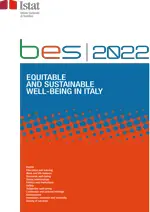
Since 2013, the National Institute of Statistics (Istat) has been conducting an annual survey to provide a comprehensive overview of the well-being of Italians across various dimensions. The report, known as the Rapporto Bes (Italian for “Equitable and Sustainable Well-being Report”), is not just a publishing product, but a genuine research line that analyzes a wide range of indicators to describe the factors contributing to the quality of life of citizens.
The analysis involves dividing society into twelve sectors or “domains,” which are examined through the lens of 130 indicators. This allows for an in-depth examination of various aspects of Italian society, including health, education, work-life balance, economic well-being, social relationships, politics and institutions, security, subjective well-being, cultural heritage and landscape, environment, innovation, research, and creativity, as well as quality of services.
The Twelve Sectors of Society
The twelve domains under examination are:
- Health: This sector examines the physical and mental health of Italians, including access to healthcare services, mortality rates, and health outcomes.
- Education and Training: This domain assesses the education system in Italy, including literacy rates, educational attainment, and the quality of vocational training programs.
- Work-Life Balance: This sector investigates the balance between work and leisure time, including working hours, job security, and the ability to take breaks during the day.
- Economic Well-being: This domain examines the economic conditions of Italian citizens, including employment rates, income levels, poverty rates, and access to financial services.
- Social Relationships: This sector looks at the social connections between Italians, including family relationships, friendships, and community involvement.
- Politics and Institutions: This domain assesses the effectiveness of Italy’s political system, including trust in government institutions, voter turnout, and citizen engagement.
- Security: This sector investigates public safety concerns, including crime rates, terrorism threats, and emergency response times.
- Subjective Well-being: This domain examines the emotional and psychological state of Italian citizens, including life satisfaction, happiness, and expectations for the future.
- Cultural Heritage and Landscape: This sector assesses Italy’s cultural heritage, including historical sites, museums, and public art, as well as the natural beauty of the country.
- Environment: This domain looks at environmental issues in Italy, including pollution levels, climate change, and sustainable resource management practices.
- Innovation, Research, and Creativity: This sector investigates Italy’s innovative capacity, including investments in research and development, patent applications, and entrepreneurship activity.
- Quality of Services: This domain assesses the quality of public services provided to Italian citizens, including healthcare, education, transportation, and sanitation.
Key Findings from the 2018 Report
The latest edition of the Istat report on Equitable and Sustainable Well-being was published in December 2018. The analysis reveals several key trends, with a 40% increase in indicators showing improvement. The domains most affected by this growth are economic well-being and labor market.
On the other hand, 30% of indicators continue to face difficulties. Notably, these include aspects related to personal subjectivity, such as life satisfaction and expectations for the future.
Market Labor Trends
The report highlights a more dynamic labor market: employment levels among people aged 20-64 increased to 62.3% in 2017. The job security landscape appears less uncertain, with an 11.6% rate of work-related injuries and permanent disabilities per 10,000 employed individuals (down from 12.1% in 2015).
Furthermore, the percentage of workers worried about losing their current job decreased by 0.8 points.
Economic Stability
The report indicates a resurgence in economic stability: after falling to pre-2010 levels, gross household disposable income per family has regained its previous level. In 2017, there was an improvement in indicators of extreme material deprivation, low labor intensity, poor living conditions, and economic hardship. However, absolute poverty rates have continued to increase.
Innovation and Research
The report shows that the Italian system is more focused on innovation and research: a 0.1 percentage point rise in R&D investments (from 2016), increased investment in intellectual property products (+2.1% in 2017), and advancements in technology-driven innovations are notable trends.
Additionally, there’s an increase in qualified workers: a 16.9% growth rate among graduates employed in scientifically-technical sectors (+0.7 percentage points from 2016). The country has also seen slight improvements in retaining young graduates, with a migration balance of -4.1 per 1,000.
Territorial Development and Sustainable Land Use
There are positive signs on the front of territorial development and sustainable land use: an increase of +3.3% in rural businesses, which play a crucial role in the growth and preservation of the territory (+from 2016).
However, there is still significant issues with abusive construction practices (19.4 constructions per every 100 authorized ones, from 19.6 in 2016) and ongoing concerns for the South.
Environmental Conservation
Despite some progress in reducing environmental pressure, the report highlights difficulties in managing forest heritage: a sharp increase in wildfires. Moreover, there are severe issues related to hydrological problems: 2.2% of the population is exposed to flood risks, while 10.4% faces alluvion risk. Italy has significant exposure to geological hazards due to historical planning failures, human impact and inherent structural fragility.
Sustainability Concerns
The report reveals that environmental issues are a pressing concern for Italian citizens: 21% of respondents are worried about biodiversity loss in 2017, with younger people being particularly concerned (up to 30%) while older individuals (75+ years old) worry less (12.9%).
Conclusion and FAQs
What does the Istat report on Equitable and Sustainable Well-being mean for Italy?
The report provides a comprehensive picture of Italian society’s well-being, highlighting areas of growth and challenges.
Key takeaways from the 2018 survey:
- Economic instability
- Job security concerns
- Rising environmental problems
- Decreased trust in institutions
- Growing poverty
What steps can be taken to address these issues?
To improve Italy’s overall well-being, we must focus on sustainable development, investing in education and innovation, and ensuring that our society is environmentally conscious.
Frequently Asked Questions (FAQs)
-
What does the Istat report measure?
The report assesses a wide range of indicators across various domains to evaluate Italy’s well-being. -
Which sectors are most affected by economic instability?
Economic instability predominantly affects personal subjective well-being, labor market stability and economic conditions.
- How has the Italian economy changed in recent years?
Italy experienced growth from 2010-11 until a slight decline following that period, indicating challenges to maintaining steady economic health.
- What progress has been made on environmental issues?
Progress in reducing environmental pressures is mixed: increased investment in sustainable land use and territorial development, but still significant problems with abusive construction practices and ongoing concern about biodiversity loss.
- How does Italy compare to other European countries regarding its exposure to geological hazards?
Italy is particularly vulnerable due to historical planning failures, human impact, and inherent structural fragility of the territory itself.
- What steps can be taken by individuals and policymakers to address these issues?
By prioritizing education, innovation, environmental sustainability, and promoting sustainable land use, we can begin to address some of the pressing challenges facing Italy’s society and economy today.
- How do younger generations perceive their place in Italian society?
Younger people are becoming increasingly concerned about the impact of human activity on biodiversity loss.
- What role does education play in shaping Italy’s future development?
Education is essential for fostering innovation, sustainability awareness and addressing the country’s pressing challenges.
- Can we expect significant changes to Italy’s economic landscape in the coming years?
The 2018 Istat report highlights areas of improvement but also underscores the need for continued investment in education and research to foster growth and stability.
-
What lessons can be learned from this report about sustainable development?
The report emphasizes the importance of integrating environmental concerns into economic development strategies, promoting sustainable practices, and investing in human capital to ensure a more resilient and prosperous future for Italy.
In conclusion, the Istat report on Equitable and Sustainable Well-being provides valuable insights into the state of Italian society and economy. By understanding these challenges and opportunities, policymakers and stakeholders can work together to address the pressing issues facing the country and create a brighter future for all Italians.


