
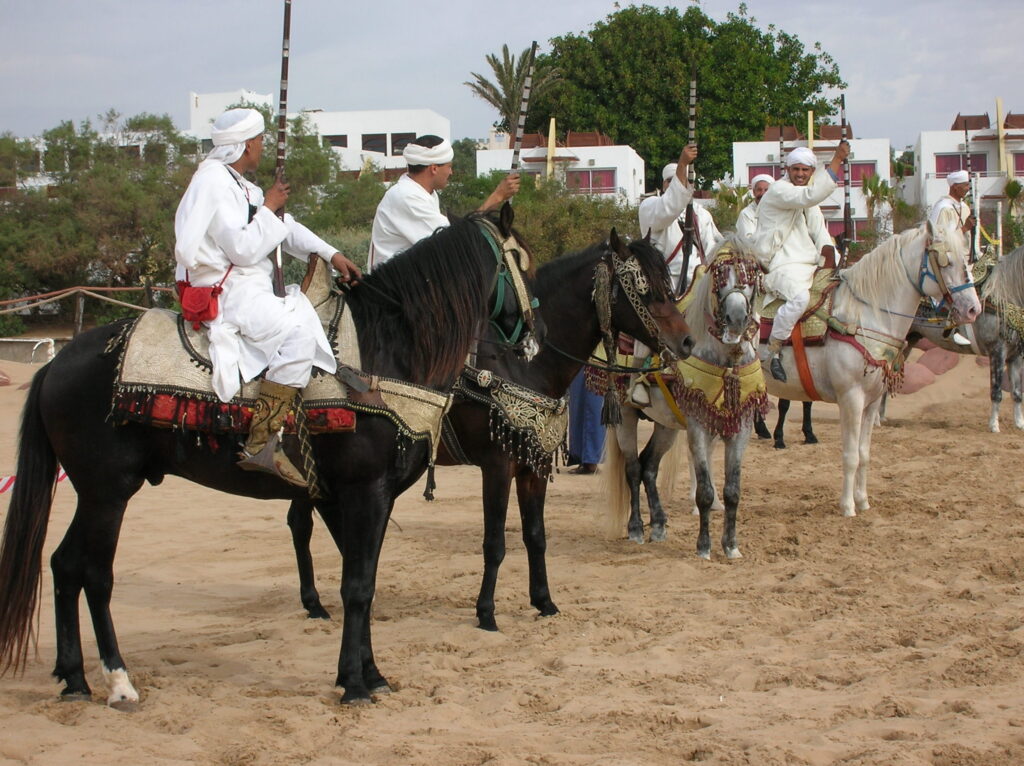
As its name suggests, the Berber horse has African origins, but its journey took it to various parts of North Africa, where it was bred and trained. This versatile and energetic breed is well-suited for different types of work, from carrying riders to pulling light loads.
Uncovering the Mystery of the Berber Horse’s Origins
Reconstructing the origins of this horse breed is a challenging task, as its history has been shaped by various influences and transformations over the centuries. Some theories suggest that the Berber horse was born in Africa, while others propose that it was developed in Asia Central. Despite the uncertainty surrounding its exact birthplace, one thing is clear: the Berber horse’s adaptability to harsh environments has allowed it to thrive.
The Berber Horse’s African Roots
The Berber horse’s home region is characterized by rugged terrain, including mountains and deserts that stretch into the Mediterranean Sea. This unforgiving landscape has shaped the breed’s physical characteristics, such as its robust build, long neck, and agile body. The Berber horse’s similarities to other breeds, like the Przewalski’s Horse (P.R.E.) and the Andalusian, are evident, with its elegant lines and gentle disposition.
The harsh desert environment of North Africa is believed to have influenced the breed’s ability to conserve water and withstand extreme temperatures. This adaptability has enabled the Berber horse to survive in areas where other breeds might struggle. The breed’s genetic makeup also appears to have been shaped by its history of nomadic herding, where horses were selectively bred for their endurance and strength.
The Berber Horse in European History
The Berber horse’s entry into Europe dates back to the 17th century, although it has been present in Italy since at least the 16th century. Its early introduction was marked by various uses, including racing and breeding programs for high-quality horses like the Purosangue English.
During this period, European breeders recognized the Berber horse’s unique characteristics, such as its agility, endurance, and gentle disposition. They sought to incorporate these traits into their own breeds, leading to cross-breeding with other equine species. This selective breeding program resulted in the development of new breeds, including the Andalusian, which shares many physical and temperamental similarities with the Berber horse.
Characteristics of the Berber Horse
The Berber horse is a medium-sized breed with an average height of 145-155 cm (4’1″-5’1″) at the shoulder. Its robust physique allows it to thrive in challenging environments, making it suitable for various tasks. The horse’s head is long and straight, with a refined profile; its eyes are expressive and alert, while its ears are slender but substantial.
The Berber horse’s compact body, muscular legs, and strong joints enable it to navigate uneven terrain with ease. Its unique anatomy also allows it to conserve energy and withstand extreme temperatures, making it an ideal breed for endurance rides and long-distance travel.
Colors and Patterns
The standard colors recognized in the Berber breed include bay, dark bay, sorrel, chestnut, and gray, with each shade offering a unique blend of quality and elegance. The breed’s coat patterns also vary, ranging from simple to complex designs that reflect its African heritage.
In addition to its physical characteristics, the Berber horse is renowned for its striking appearance, which has captivated breeders and horse enthusiasts alike. Its elegant lines, expressive eyes, and refined profile make it a true marvel of equine beauty.
Attitudes and Uses
The Berber horse is known for its high energy levels and spirited temperament. However, it is also renowned for its gentle nature, making it an excellent companion animal. This unique blend of traits has led to the breed’s versatility in various roles, from carrying riders to pulling light loads.
The Berber horse’s exceptional endurance capacity makes it ideal for long-distance travel, racing, and other competitive disciplines. Its agility and nimbleness also enable it to navigate challenging terrain with ease, making it a sought-after breed among outdoor enthusiasts and adventurers.
Cultural Significance in North Africa
In Morocco, Algeria, and Libya, where the breed originated, the Berber horse plays an essential role in various cultural activities, such as the Fantasia, a traditional display of horsemanship and equestrian skills. Beyond its ceremonial significance, the Berber horse has adapted to modern contexts, participating in dressage, show jumping, and other competitive disciplines.
The Berber horse’s importance extends beyond its practical uses; it holds a special place in the hearts of North African communities, where it is revered for its strength, beauty, and versatility. The breed’s cultural significance is reflected in various festivals and traditions, which celebrate its unique characteristics and contributions to local society.
Allevage and Breeding
Today, the Berber horse is primarily bred in limited areas within Morocco, Algeria, and Libya, with the Tuareg tribe playing a significant role in its care and management. The royal stables of Morocco house some of the finest examples of this breed, showcasing their exceptional quality and nobility.
Efforts are being made to conserve and promote the Berber horse breed, which is considered critically endangered due to factors like over-breeding, poaching, and habitat loss. Conservation efforts focus on supporting local breeders, protecting habitats, and raising awareness about the breed’s importance in North African culture.
Conclusion
The Berber horse represents an extraordinary example of equine diversity, combining adaptability, resilience, and elegance to form a unique breed suited for diverse purposes. Its rich history, shaped by cultural exchange, geography, and selective breeding, has created a breed that continues to captivate the world with its spirit, strength, and beauty.
Frequently Asked Questions
- What is the origin of the Berber horse?
The Berber horse’s origins are still debated among experts, but it is believed to have originated in Africa. - What are the breed’s physical characteristics?
The Berber horse has a compact build, long neck, and agile body; its height ranges from 145-155 cm (4’1″-5’1″) at the shoulder. - How many lumbar vertebrae does the Berber horse have?
Unlike most breeds, the Berber horse features five lumbar vertebrae instead of six. - What types of activities can the Berber horse be used for?
The Berber horse is suited for endurance rides, dressage, show jumping, and other competitive disciplines due to its remarkable agility and stamina. - How do I find a reputable breeder or seller of Berber horses?
Reputable breeders or sellers can usually be found through local equine associations, online directories, or word-of-mouth referrals.
Additional Resources
For those interested in learning more about the Berber horse breed, the following resources are recommended:
- The Berber Horse Association (BHA) website: www.berberhorseassociation.com
- The Equine Guelph Equine Health Centre: www.equinehealthcentre.ca
- The University of Arizona’s Equine Science Program: equine.arizona.edu
Please let me know if you need further assistance!


