
The Importance of Preserving Biodiversity
As we continue to face the challenges of climate change, environmental degradation, and economic uncertainty, it’s essential that we prioritize the preservation of biodiversity. According to the European Parliament, the loss of biodiversity costs the EU €450 billion annually. This staggering figure highlights the need for radical changes in our agricultural policies.
Biodiversity is not just a moral imperative; it also has significant economic benefits. A study by the European Commission found that every €1 invested in biodiversity conservation returns around €4 in environmental and economic benefits. Furthermore, preserving biodiversity can help mitigate the effects of climate change, which is becoming increasingly severe due to human activities.
The Role of Gerben-Jan Gerbrandy
Gerben-Jan Gerbrandy, a European parliamentarian, has been instrumental in shaping a strategy to address this issue. He believes that every year, we lose 3% of our GDP due to biodiversity loss, which translates to €450 billion lost each year. In comparison, investing €5.8 billion annually in the Natura 2000 project is a tiny fraction of the cost.
Gerbrandy’s efforts have gained significant attention from environmental groups and farmers’ organizations. His advocacy has helped raise awareness about the importance of biodiversity preservation and the need for radical changes in our agricultural policies.
The New Common Agricultural Policy (CAP)
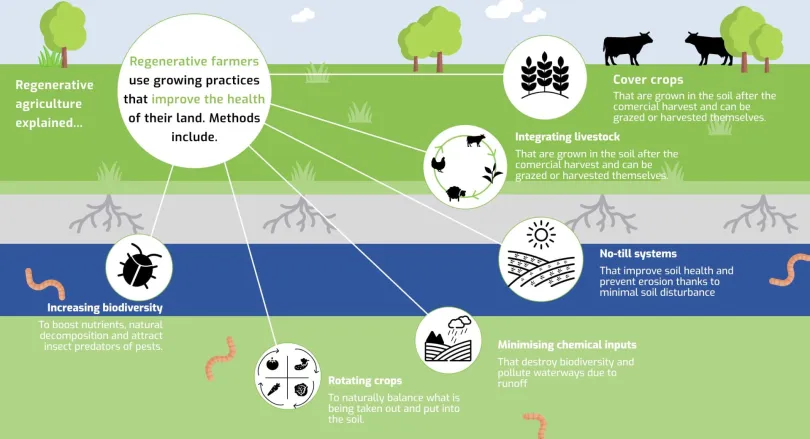
The new CAP will not only ensure food security and rural development but also prioritize the preservation of biodiversity. The policy will reward farmers who adopt environmentally friendly practices, such as organic farming, agroforestry, and conservation agriculture.
The new CAP is built on three pillars:
- Environmental Sustainability: This pillar aims to reduce the environmental impact of agriculture by promoting sustainable farming practices.
- Food Security: This pillar ensures that all EU citizens have access to high-quality food while respecting the environment.
- Rural Development: This pillar supports rural areas and promotes economic development in these regions.
Key Points for Farm Payments
There are two main points to focus on:
- Protection of Biodiversity: Farmers must use techniques that minimize their impact on the environment.
- Protection of Ecosystems: This includes habitats, water resources, and responsible pesticide use.
- Intensified Inspections: By 2020, on-site inspections will be increased to ensure compliance with environmental regulations.
- Eliminating Harmful Subsidies: All subsidies that harm the environment must be identified and eliminated by 2020.
Challenges Ahead
While the European Parliament’s proposals are noble, implementing these measures will be challenging. Ensuring funding for biodiversity conservation on a local level and conducting thorough inspections to meet EU standards will require significant effort.
One of the main challenges is ensuring that farmers have access to the necessary resources and support to adopt environmentally friendly practices. This includes training programs, financial assistance, and technical expertise.
A Glimmer of Hope
Despite the challenges, there is optimism that the new CAP can lead to sustainable agriculture. Andrea Zanoni, an Italian deputy in the European Parliament, believes that with the right approach, we can finally achieve concrete sustainability in agriculture.
Zanoni’s enthusiasm is shared by many environmental groups and farmers’ organizations. They believe that the new CAP offers a unique opportunity to transform our agricultural system and promote sustainable development.
Conclusion
The preservation of biodiversity is a pressing issue that requires immediate attention. The EU’s efforts to address this problem are a step in the right direction. By adopting environmentally friendly practices and investing in conservation initiatives, we can ensure a more sustainable future for our planet.
As we move forward, it will be crucial to monitor the impact of the new CAP on biodiversity preservation. This includes tracking progress, addressing challenges, and making adjustments as needed.
Frequently Asked Questions (FAQs)
- What is the current state of biodiversity loss in Europe?
- How much does biodiversity loss cost the EU annually?
- What are the key points for farm payments under the new CAP?
- When will intensified inspections be conducted to ensure environmental compliance?
- How will harmful subsidies be eliminated by 2020?
- What role can farmers play in preserving biodiversity?
- Can the new CAP lead to sustainable agriculture?
- How can we balance economic needs with environmental concerns?
References:
- European Parliament. (n.d.). Biodiversity Loss: EU’s Strategic Plan for Nature and the Environment.
- European Commission. (2019). The Economic Benefits of Environmental Policy.
- Gerbrandy, G.-J. (2020). Sustainable Agriculture: A New Vision for Europe.
- Zanoni, A. (2020). Sustainability in Agriculture: Opportunities and Challenges.
Glossary:
- Agroforestry: A farming practice that combines trees with crops or livestock to promote biodiversity and ecosystem services.
- Biodiversity Loss: The reduction of species diversity within ecosystems.
- Conservation Agriculture: A farming practice that aims to reduce soil erosion, increase crop yields, and promote biodiversity.
- Organic Farming: A type of agriculture that excludes the use of synthetic fertilizers and pesticides.
- Sustainable Development: A development model that prioritizes environmental protection, social equity, and economic prosperity.
Further Reading:
- The Impact of Agriculture on Biodiversity
- The Economic Benefits of Environmental Policy
- Sustainable Agriculture: A New Vision for Europe
By adopting environmentally friendly practices and investing in conservation initiatives, we can ensure a more sustainable future for our planet.


