
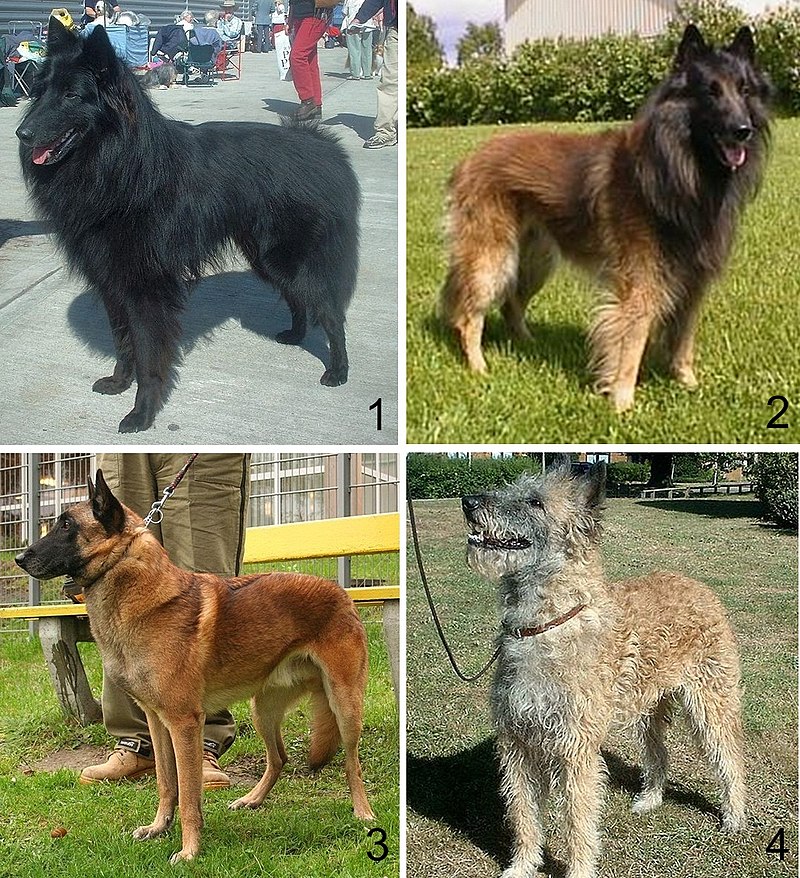
As one of the most versatile and intelligent breeds, the Belgian Shepherd Dog has gained immense popularity worldwide. With its rich history, unique characteristics, and four distinct varieties (Groenendael, Laekenois, Malinois, and Tervueren), this article will delve into the world of the Belgian Shepherd Dog, exploring its origins, temperament, and needs.
Origins of the Belgian Shepherd Dog
The Belgian Shepherd Dog originated from a group of dogs used for herding in the north-eastern Europe. The breed was developed by a team of researchers at the veterinary school in Cureghem, Belgium, who began selecting and breeding dogs with specific characteristics. In 1891, the Club du Chien de Berger Belge was founded, and the first standard for the breed was established in 1894.
The Four Varieties of the Belgian Shepherd Dog
While all four varieties share similar traits, they have distinct differences in terms of coat length, color, and appearance. Here’s a brief overview of each variety:
- Groenendael: Known as the “peacekeeper” due to its calm nature, this variety has a thick double coat.
- Laekenois: Characterized by its harsh, wiry coat, this variety is less common than the others.
- Malinois: With its short, dense coat, this variety is often used for police work and guard duty.
- Tervueren: This variety has a distinctive mane-like coat on its neck and shoulders.
Temperament of the Belgian Shepherd Dog
The Belgian Shepherd Dog is known for its intelligence, loyalty, and versatility. They are highly trainable and excel in various roles such as:
- Guarding
- Herding
- Police work
- Guide dogs for the blind
Their strong bond with their owners makes them excellent companions.
Health Considerations
As a medium-sized breed, the Belgian Shepherd Dog requires regular exercise and mental stimulation. They are prone to certain health issues such as:
- Hip dysplasia
- Elbow dysplasia
- Eye problems
- Epilepsy
Regular veterinary check-ups and a balanced diet can help prevent or manage these conditions.
Grooming Needs
The Belgian Shepherd Dog requires regular grooming, especially for varieties with long coats. This includes:
- Brushing to prevent matting and tangling
- Regular nail trimming
- Occasional bathing
A well-groomed coat is not only aesthetically pleasing but also helps to reduce shedding.
Cost of Owning a Belgian Shepherd Dog
The cost of owning a Belgian Shepherd Dog can vary depending on factors such as location, breeder reputation, and bloodline. Here are some estimated costs:
- Purchase price: €800-€1000
- Spaying/neutering: €200-€500
- Vaccinations: €50-€100
- Food and supplies: €500-€1000 per year
Training and Socialization
Belgian Shepherd Dogs are highly intelligent and respond well to training. They require early socialization and proper training to prevent unwanted behaviors.
Exercise Needs
As a medium-sized breed, the Belgian Shepherd Dog requires regular exercise to stay healthy and happy. A minimum of 30 minutes per day is recommended, including walks, runs, and playtime in the yard or park.
Family Dynamics
Belgian Shepherd Dogs are excellent companions for families with children, but they require proper socialization and training to ensure a harmonious household. Children should be taught how to interact with dogs safely and respectfully.
Conclusion
The Belgian Shepherd Dog is a highly versatile breed that excels in various roles. With its rich history, unique characteristics, and four distinct varieties, this breed has captured the hearts of many dog enthusiasts worldwide.
If you’re considering bringing a Belgian Shepherd Dog into your family, make sure to research reputable breeders, plan for regular grooming and exercise needs, and budget accordingly.
Frequently Asked Questions
- Q: What is the average lifespan of a Belgian Shepherd Dog?
- A: 12-15 years
- Q: How much exercise does a Belgian Shepherd Dog need?
- A: At least 30 minutes per day
- Q: Are Belgian Shepherd Dogs good with children?
- A: Yes, but they require proper socialization and training.
- Q: Can I train my Belgian Shepherd Dog myself?
- A: While it’s possible to start training, it’s recommended to work with a professional trainer or experienced owner to ensure proper development.
Special Considerations for Different Varieties
Each variety of the Belgian Shepherd Dog has its own unique characteristics and needs. Here are some special considerations for each:
- Groenendael: Known for their calm nature, Groenendaels are often used as therapy dogs.
- Laekenois: With their harsh, wiry coat, Laekenois require regular grooming to prevent matting.
- Malinois: As a high-energy breed, Malinois need plenty of exercise and mental stimulation to prevent destructive behavior.
- Tervueren: Tervuerens have a distinctive mane-like coat on their neck and shoulders, requiring regular grooming to keep it in good condition.
Conclusion
In conclusion, the Belgian Shepherd Dog is a highly versatile breed that excels in various roles. With its rich history, unique characteristics, and four distinct varieties, this breed has captured the hearts of many dog enthusiasts worldwide.
If you’re considering bringing a Belgian Shepherd Dog into your family, make sure to research reputable breeders, plan for regular grooming and exercise needs, and budget accordingly.
Additional Resources
For more information on the Belgian Shepherd Dog, visit:
- The American Kennel Club (AKC)
- The Fédération Cynologique Internationale (FCI)
- The Belgian Shepherd Dog Association
By understanding the origins, temperament, and needs of the Belgian Shepherd Dog, you can make an informed decision about bringing this breed into your family.


