
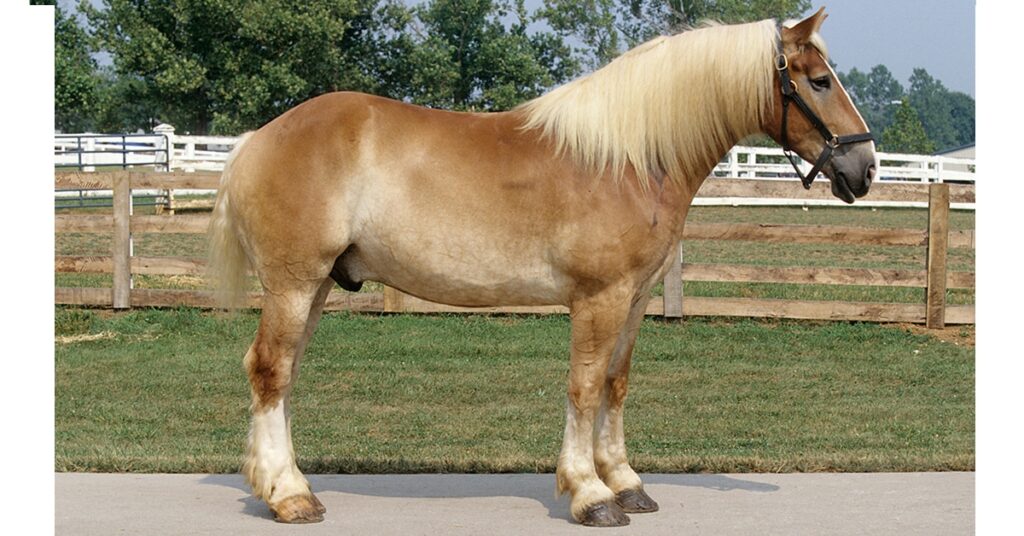
As one of the largest horse breeds in the world, the Belgian Draft Horse has a rich history that dates back to the Middle Ages. Originating from Belgium, this European breed has been used for centuries as a workhorse, particularly for heavy-duty tasks such as plowing fields and pulling heavy loads. But what makes this majestic animal so unique? In this article, we’ll delve into the characteristics, temperament, health, and uses of the Belgian Draft Horse.
Origins of the Belgian Draft Horse
The Belgian Draft Horse’s origins are well-documented, with its first recorded appearance in the Middle Ages as a “cavallo delle Fiandre.” Over time, the breed evolved into three distinct types: the small, medium, and large Belga. The registration of the breed was formalized in 1886, marking the beginning of extensive breeding efforts to improve the breed’s quality.
Characteristics
The Belgian Draft Horse is a massive animal, with an average height at the shoulder ranging from 15.2 to 17 hands (66-68 inches or 168-173 cm). Its head is small compared to its body, featuring a broad, flat skull and a well-defined jawline. The eyes are set back on the head, giving the horse a somewhat introspective expression. The ears are relatively short, but the eyes are always alert and watchful.
The Belgian Draft Horse’s legs are powerful and muscular, with a strong bone structure that enables them to support their massive weight. The hind legs are slightly longer than the front legs, allowing for an efficient gait and good balance. The hooves are hard and dense, with a thick layer of keratin that protects the horse from wear and tear.
The Belgian Draft Horse’s coat is typically red or bay in color, although some individuals may have a black or brown base with white markings. Its mane and tail are long and flowing, adding to its majestic appearance.
Temperament
As one of the strongest and most intelligent breeds of horses, the Belgian Draft Horse has a unique temperament that makes it both formidable and affectionate. They are known for their:
- Strong work ethic: Belga horses are incredibly resilient and determined, making them well-suited to heavy-duty tasks.
- Intelligence: These horses are highly intelligent and easy to train, but they can be stubborn at times if not handled with patience and consistency.
- Loyalty: Once you earn the trust of a Belgian Draft Horse, they become fiercely loyal companions.
However, their independent nature can sometimes make them challenging to handle. They require consistent training, socialization, and positive reinforcement from an early age to ensure they remain calm and well-behaved in various situations.
Health and Nutrition
Belgian Draft Horses are prone to certain health issues due to their size and breed characteristics. Regular veterinary check-ups, proper nutrition, and a balanced diet can help prevent or manage these conditions:
- Obesity: Due to their large size, Belga horses can be at risk of obesity if not fed a balanced diet.
- Joint problems: The breed’s massive weight puts significant pressure on its joints, leading to potential issues like laminitis and arthritis.
- Respiratory issues: As with many draft breeds, Belgian Draft Horses are susceptible to respiratory problems due to their large size and breathing capacity.
To maintain optimal health, it’s essential to:
- Provide regular exercise and mental stimulation
- Feed a high-quality diet that meets the horse’s nutritional needs
- Ensure proper hoof care and shoeing
- Monitor for signs of illness or injury
Uses Today
Despite advancements in technology, Belgian Draft Horses continue to thrive as working animals. They are primarily used:
- For heavy-duty tasks: Plowing fields, pulling carts, and hauling heavy loads remain their primary function.
- In agriculture: These horses can be found on farms and ranches, where they help with tasks like plowing, harvesting, and transporting goods.
- As companions: Many people appreciate the gentle nature of Belgian Draft Horses, making them wonderful companions for those who enjoy horseback riding or simply spending time with these majestic animals.
Frequently Asked Questions
Here are some common questions about the Belgian Draft Horse breed:
- What is the average lifespan of a Belgian Draft Horse?
- The average lifespan of a Belgian Draft Horse is between 25-30 years.
- How much do Belgian Draft Horses cost to purchase?
- Prices can vary depending on factors such as breeding, age, and location, but you can expect to pay anywhere from $1,000 to $10,000 or more for a purebred Belgian Draft Horse.
- Are Belgian Draft Horses suitable for inexperienced riders?
- Due to their size and strength, it’s recommended that only experienced riders handle Belgian Draft Horses, especially if they’re not familiar with these massive animals.
- Can I train a Belgian Draft Horse myself?
- While it’s possible to start training your own Belgian Draft Horse from an early age, working with a professional trainer or equine expert can significantly improve the horse’s behavior and responsiveness.
Care and Handling
Belgian Draft Horses require regular care and handling to maintain their health and well-being. Here are some tips:
- Provide adequate space: Belgian Draft Horses need plenty of room to move around, so ensure they have a spacious enclosure or paddock.
- Offer proper nutrition: Feed a high-quality diet that meets the horse’s nutritional needs, and provide fresh water at all times.
- Ensure regular veterinary check-ups: Regular health checks can help detect any potential issues early on.
- Provide regular exercise: Belgian Draft Horses need regular exercise to maintain their physical and mental health.
Conclusion
The Belgian Draft Horse is a majestic breed that has been used for centuries as a workhorse. With its strong work ethic, intelligence, and loyalty, it’s no wonder why this breed remains popular today. However, they require consistent training, socialization, and proper care to maintain their health and well-being. If you’re considering bringing a Belgian Draft Horse into your life, make sure you’re prepared to provide the necessary care and attention.
Cavalli da corte
Ecco alcuni cavalli da corto che potrebbero essere di tuo interesse:
- Cavallo Percheron: Originari della Francia, questi cavalli sono noti per la loro forza e resistenza. Utilizzati come cavalli da lavoro, sono anche apprezzati per le loro caratteristiche intellettive.
- Cavallo Clydesdale: Origine scozzese, questo cavallo è famoso per il suo imponente aspetto e le sue abilità di foraggio. Utilizzati come cavalli da lavoro, sono anche apprezzati per la loro gentilezza e calma.
- Cavallo Ardennese: Originari delle Ardenne belge, questo cavallo è noto per la sua resistenza e le sue abilità di foraggio. Utilizzati come cavalli da lavoro, sono anche apprezzati per la loro intelligenza e affabilità.
In conclusione, i Belgian Draft Horses sono un’ottima scelta per chi cerca una razza di cavallo potente e intelligente, con un temperamento gentile e leali. Tuttavia, richiedono cure e manutenzione costanti per mantenere la loro salute e il benessere.
Spero che questo articolo ti sia stato utile!


